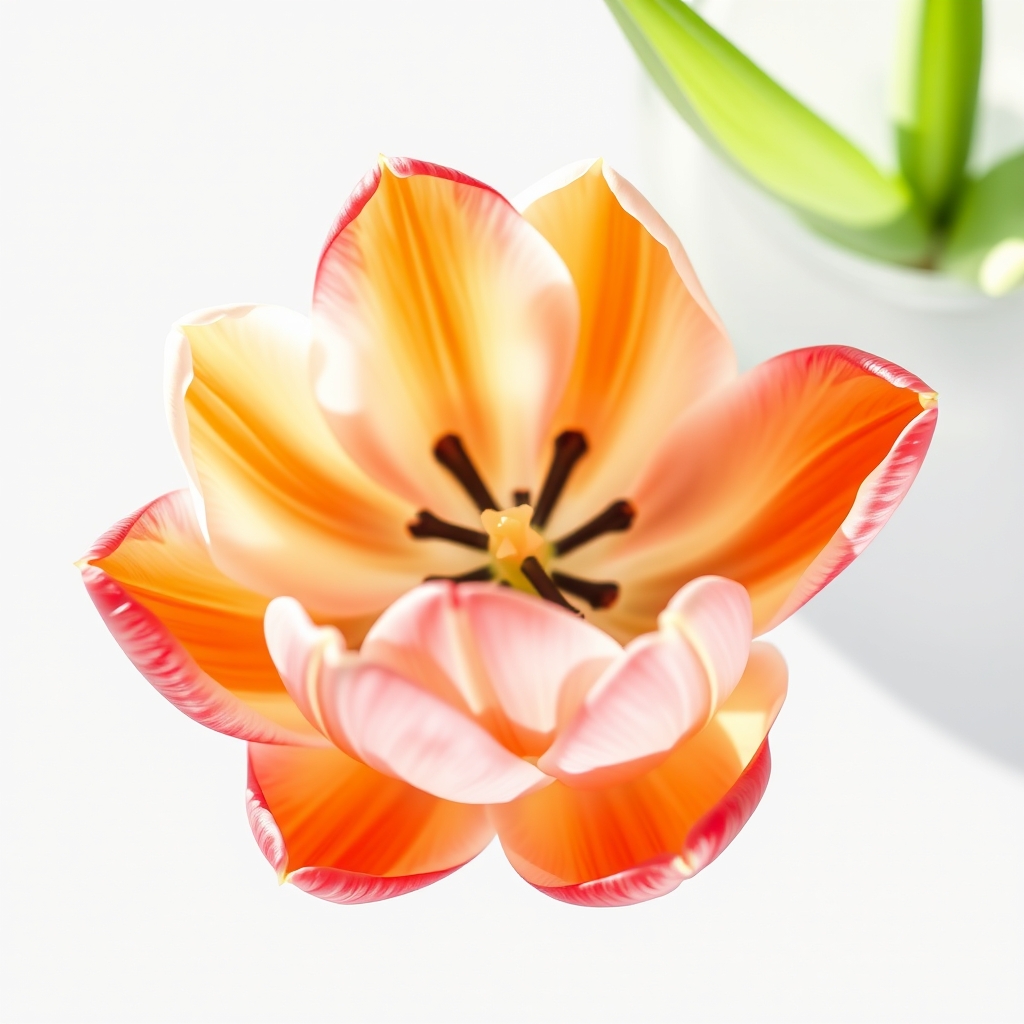
Watercolor tulip drawings possess a unique, organic magic. These cheerful spring heralds, iconic symbols of rebirth and love, offer immense visual inspiration for artists of all levels. Watercolors perfectly capture their essence: delicate translucent petals, vibrant color gradients, and elegant, curving stems. It’s truly the ideal medium. Similar to how watercolor flower art ideas rely on soft blending and lighting, tulips demand a mastery of wash and color transitions.
Tulips symbolize deep love, hope, and the arrival of warmer days. This makes them profoundly meaningful for any artist to paint. Watercolors excel at conveying a petal’s soft glow or a spring sunset’s vibrant hues. They allow beautiful light and shadow play through every curving contour and delicate leaf.
Seeking creative direction? Exploring watercolor butterfly drawing ideas or botanical themes like watercolor lavender drawing ideas is wonderfully rewarding, but tulips offer a unique opportunity to play with bold, saturated colors. Imagine endless fields under a soft morning sky or a single, detailed specimen. Each wash and brushstroke builds a compelling narrative, bringing these spring beauties vividly to life.
It’s an exciting opportunity to experiment. Play with loose compositions, wet-on-wet blending, and evocative color palettes. Let’s discover 28 powerful ways to illustrate these iconic flowers and invite viewers to connect with their timeless, joyful presence.
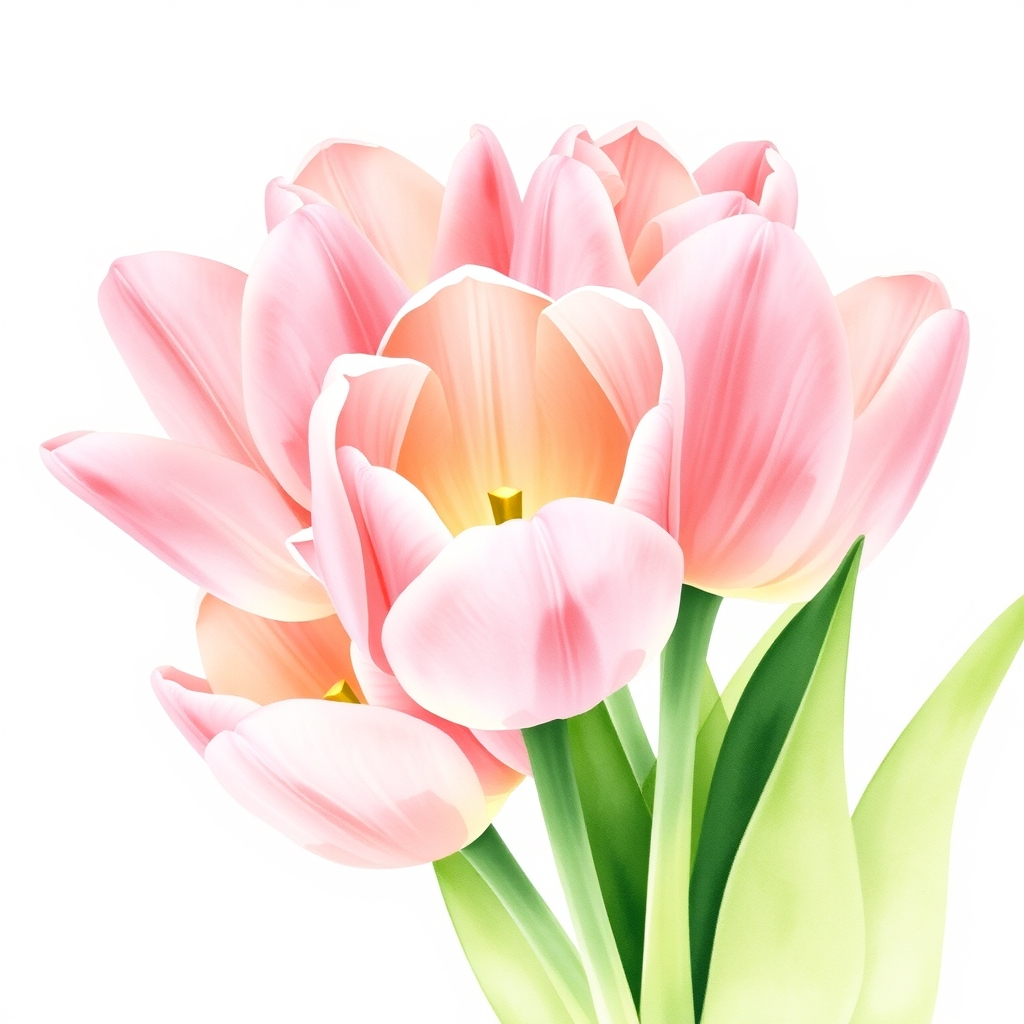
1. Soft Pastel Tulip Bouquet on Cold-Pressed Paper
This charming watercolor presents a classic tulip bouquet, its soft pink and cream petals standing as a beacon of spring against a light, airy background.
2. Single Crimson Tulip with Wet-on-Wet Background
Imagine a single, bold crimson tulip standing proudly against a soft, bleeding background of blues and purples. This piece focuses on the wet-on-wet technique, allowing the rich red pigments to blend seamlessly into the damp paper. The high contrast between the deep flower and the ethereal background creates a dramatic, emotional impact. It’s an excellent exercise in controlling paint flow while embracing the beautiful unpredictability of watercolors.
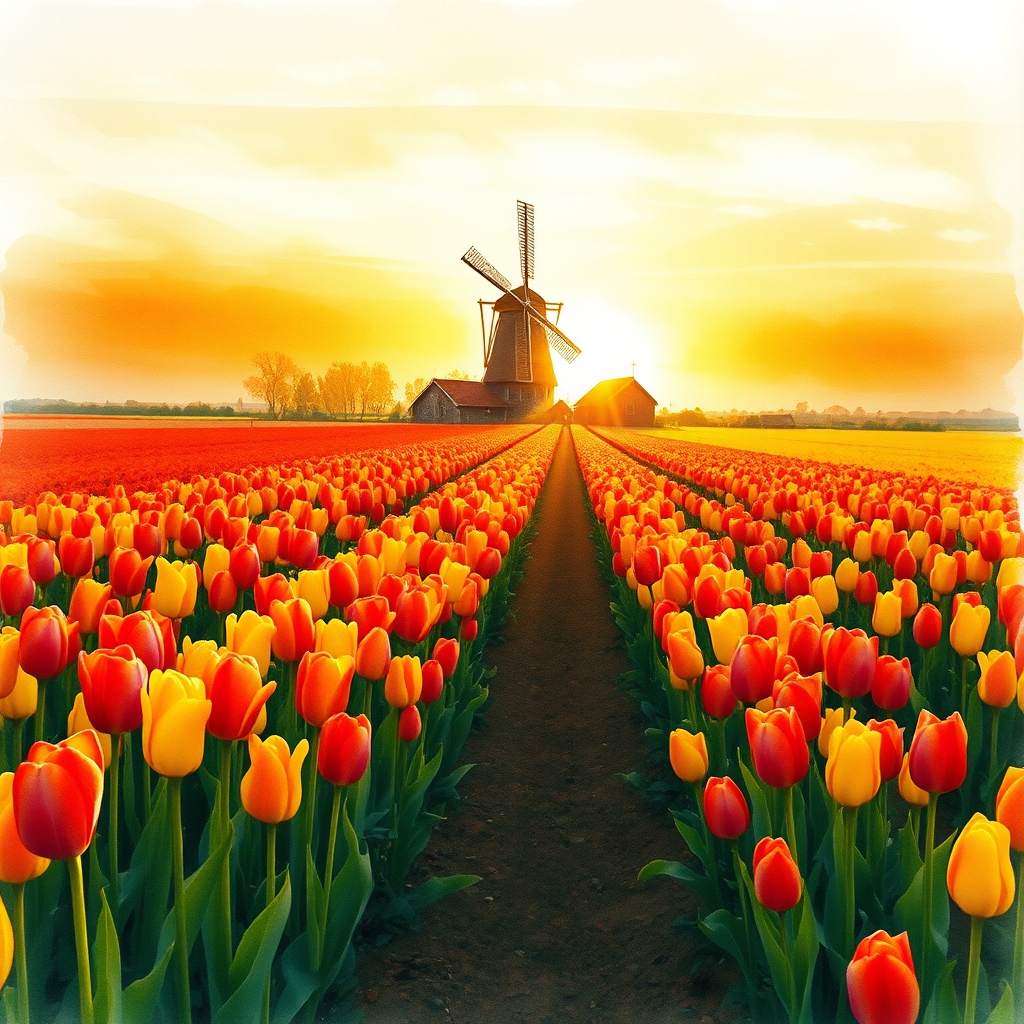
3. Golden Hour Tulip Field in Dutch Landscape
Capture the breathtaking beauty of an endless Dutch tulip field bathed in the warm glow of the golden hour.
4. Abstract Splash Watercolor Tulips
For those who love modern art, this abstract approach uses bold splatters and loose washes to represent tulips in a dynamic, energetic way. Instead of focusing on precise lines, the artist uses energetic brush strokes and color bleeding to convey the form and movement of the flowers. It’s a playful, expressive style that celebrates the fluid nature of watercolor as a medium. This piece is perfect for adding a pop of contemporary color and joy to your art collection.
5. Delicate Yellow Tulips in a Vintage Glass Vase
This study focuses on the transparency of both the tulip petals and the glass vase holding them. Soft yellow tulips stand elegantly, their stems visible through the water-filled glass. Painting realistic glass in watercolor requires careful preservation of white highlights and subtle color reflections. The result is a quiet, sophisticated piece that highlights the delicate beauty of everyday objects and light.
6. Moody Midnight Purple Tulips
Explore a darker, more mysterious color palette with deep purple and indigo tulips. Set against a dark, moody wash, these flowers glow with a quiet intensity. Using layers of deep glazes builds rich, velvety textures on the petals, while hints of violet and magenta add dimension. It’s a beautiful departure from traditional bright spring scenes, offering a dramatic and sophisticated botanical study.
7. Minimalist Ink and Wash Tulip Sketches
Combining fine waterproof ink lines with loose watercolor washes creates a beautiful, minimalist look. A simple, elegant ink outline defines the shape of the tulip, while a single, vibrant wash of color is applied loosely, often extending beyond the lines. This style is quick, expressive, and perfect for art journals or sketchbooks, proving that sometimes less is truly more when capturing nature’s elegance.
8. Vibrant Pink Tulips with Splattered Textures
Celebrate the joy of spring with bright, vibrant pink tulips accented by playful paint splatters. The splatters mimic the feel of pollen drifting in the spring breeze, adding texture and movement to the composition. By using a mix of sharp details on the main petals and soft, splattered edges, this piece feels alive, energetic, and full of youthful spirit.
9. Vintage Botanical Illustration of Parrot Tulips
Parrot tulips are famous for their ruffled, feathered petals and multi-colored patterns. This vintage-inspired botanical illustration uses precise, controlled watercolor washes to capture every intricate detail of the petals’ texture and color transitions. Set against a warm, tea-stained background, this piece has an antique charm that feels both classic and timeless, perfect for lovers of traditional botanical art.
10. Rainbow Tulip Row with Color Bleed Effects
Create a beautiful rainbow effect by painting a row of tulips in transitioning colors, allowing the wet paint of neighboring flowers to bleed slightly into one another. Red blends into orange, orange into yellow, and so on, creating a harmonious and vibrant spectrum. This technique showcases the unique blending capabilities of watercolors, resulting in a cheerful and eye-catching masterpiece.
11. Soft Lavender Tulips with Morning Dew Drops
Capture the freshness of a spring morning with soft lavender tulips adorned with delicate dew drops. Using masking fluid to preserve tiny white circles of paper allows you to create realistic, glistening water droplets on the petals. The soft purple hues paired with cool green leaves evoke a sense of peace, quiet, and the gentle awakening of a new day.
12. Stylized Geometric Tulip Art
Combine organic watercolor textures with clean, geometric lines. This modern approach uses sharp angles and structured shapes to define the tulips, while the inside of each geometric section is filled with soft, flowing watercolor gradients. The contrast between the rigid geometry and the fluid watercolor creates a striking, contemporary design that is highly engaging and unique.
13. Double-Petaled Peony Tulips in Soft Wash
Peony tulips, with their dense layers of petals, look incredibly lush and romantic. Painting them in a soft, light wash keeps the complex flower looking delicate and airy. Focus on painting negative space and subtle shadows between the layers of petals to build volume without making the painting feel heavy. It’s a gorgeous, romantic style that captures the fullness of spring blooms.
14. Sunset Sky Silhouette with Bold Orange Tulips
Paint a dramatic, fiery sunset sky using warm washes of yellow, orange, and deep red. In the foreground, paint bold, silhouetted tulips standing tall against the glowing light. The high contrast makes the shapes of the tulips pop beautifully, creating a powerful, atmospheric scene that captures the end of a perfect spring day.
15. Whimsical Watercolor Tulip Fairy Cottage
Let your imagination run wild by transforming a giant watercolor tulip into a whimsical fairy cottage. Add a tiny wooden door, delicate windows glowing with warm yellow light, and a small stone path leading up to the stem. This playful, storytelling approach is incredibly fun to paint and brings a touch of magic and childhood wonder to your watercolor practice.
16. Bleeding Hearts and Tulip Spring Combination
Combine tulips with other classic spring flowers like bleeding hearts to create a rich, diverse botanical composition. The arching stems of the bleeding hearts pair beautifully with the upright, sturdy stems of the tulips, creating a pleasing contrast in forms and lines. Using a soft, out-of-focus background keeps the focus on these beautiful spring companions.
17. Faded Antique Tea-Stained Tulip Drawing
Give your painting a historical, nostalgic feel by staining your watercolor paper with black tea or coffee before painting. Once dry, paint delicate, muted tulips using earthy tones like sepia, ochre, and dusty rose. This style mimics the look of ancient field journals and botanical discoveries, adding a layer of depth and history to your artwork.
18. Majestic White Tulips with Soft Shadow Play
White flowers are a wonderful test of an artist’s ability to paint shadows. Instead of using pure white paint, white tulips are created by painting the shadows around and within them using soft blues, purples, and grays, leaving the white of the paper to represent the highlights. This creates a highly realistic, elegant, and luminous effect that is truly mesmerizing.
19. Playful Watercolor Tulips for Kids’ Art Projects
A simple, fun, and easy-to-follow design perfect for teaching kids or beginners. Using basic shapes and bright, cheerful colors, this project focuses on the pure joy of painting without worrying about complex techniques. It’s a fantastic way to introduce young artists to color mixing and the magic of watercolors, resulting in a proud, hand-painted masterpiece.
20. Bold Red Tulips with High Contrast Dark Background
Make your red tulips pop off the page by surrounding them with an incredibly dark, almost black background. By painting a deep wash of indigo, black, and forest green around the vibrant red petals, you create a theatrical, high-contrast look. The red appears warmer and more intense, making this a powerful, statement-making piece of art.
21. Delicate Peach Tulips on Textured Watercolor Paper
The texture of rough watercolor paper can add a beautiful, organic quality to your painting. Paint soft peach and apricot-colored tulips, allowing the dry-brush technique to catch on the ridges of the paper. This creates a rustic, textured look that feels tactile and wonderfully hand-crafted, highlighting the natural beauty of both the medium and the subject.
22. Dreamy Aurora Sky over a Tulip Meadow
Combine two magical elements by painting a glowing northern lights sky over a quiet, dark meadow of tulips. Use vibrant greens, blues, and purples for the dancing aurora, and let the tulips in the foreground catch subtle reflections of the celestial light. It’s a dreamy, fantasy-inspired landscape that stretches the boundaries of traditional floral art.
23. Watercolor Tulip Bookmark Designs
Create beautiful, functional art by painting vertical tulip designs on thick watercolor paper strips to use as bookmarks. These make wonderful, personalized gifts for friends and family. Since the space is limited, focus on a single, elegant stem or a small cluster of buds, decorated with delicate splatters or a simple background wash.
24. Monochromatic Blue Tulip Study
Challenge yourself by painting a complete tulip scene using only one color—such as Prussian Blue or Ultramarine. By varying the ratio of water to paint, you can create a full range of values from the palest sky blue to the deepest midnight blue. This monochromatic study is a fantastic way to master value, light, and shadow without the distraction of multiple colors.
25. Loose Style Spring Tulip Garden
Embrace a carefree, loose watercolor style by painting a garden of tulips with quick, fluid brushstrokes. Let the colors run together naturally, and avoid painting strict outlines. This style captures the overall feeling, light, and movement of a garden in the spring breeze, resulting in a painting that feels fresh, spontaneous, and full of life.
26. Elegant Silver-Edged Black Tulips
Black tulips are rare and incredibly elegant. Paint deep, dark tulips using a mix of black, purple, and indigo. Once dry, use metallic silver watercolor or a silver gel pen to add delicate, shimmering highlights along the edges of the petals. The contrast between the velvety dark petals and the shining silver edges creates an incredibly luxurious and modern look.
27. Whimsical Butterfly Resting on a Soft Tulip Petal
Add a sense of life and narrative to your painting by depicting a detailed, colorful butterfly resting on the petal of a soft yellow tulip. The delicate details of the butterfly’s wings contrast beautifully with the soft, blended washes of the flower. This piece tells a story of a quiet spring moment, celebrating the beautiful relationship between flowers and pollinators.
28. Detailed Botanical Study of Tulip Roots and Leaves
For a scientific and highly detailed approach, paint a complete botanical study that includes the tulip bulb, delicate root system, sturdy stem, leaves, and the flower itself. Use fine brushstrokes and layers of realistic color to document every part of the plant. This style is incredibly satisfying and results in a highly sophisticated, academic piece of art that looks stunning in a classic frame.