Quick answer: Black and white digital art is art made using only black, white, and the shades of grey between them, with no colour at all. It works because light, shadow, and contrast do the job colour normally does, so a single portrait, mandala, or townscape can look bold and dramatic with a very small set of tools. Below you will find 20 finished ideas to copy, adapt, or use as drawing prompts, plus a simple picker to help you choose the right one for your skill level and the time you have today.
TL;DR — pick in 30 seconds
- First time? Start with idea 18, the Geometric Mandala. Its repeating pattern forgives wobbly lines.
- Love faces? Start with idea 1, the Monochrome Portrait with Choker, or idea 3, Intellectual Charm with Glasses.
- Short on time? Try idea 14, Abstract Monochrome. Bold strokes and one strong contrast carry the whole piece.
- Want a story? Try idea 11, the Manga-Style Comic Page, or idea 20, the Dreamscape Journey.
- Want detail practice? Try idea 13, the Stone Doorway. Stone, wood, and shadow give you texture in every square centimetre.
In this article
- 1. How to Choose Your First Black and White Idea
- 2. Before You Start: Values, Tools, and Common Mistakes
- Black and White Digital Art Ideas (the original 20 ideas, unchanged)
- 3. Turn One Idea Into a Finished Piece in 30 Minutes
- 4. Frequently Asked Questions
1. How to Choose Your First Black and White Idea
Without colour to hide behind, every black and white piece succeeds or fails on one thing: value, which is simply how light or dark each area is. A portrait with only mid-grey tones looks flat, while the same portrait with a true black, a clean white highlight, and three greys in between looks three-dimensional. That is why the ideas below are grouped by what they teach you, not just by what they show. Pick the skill you want to practise, and the subject follows.
| Choose this type | If you want to practise | Start with |
|---|---|---|
| Portraits (ideas 1–3, 9–10) | Faces, expression, and soft shading | Idea 1 or idea 10 |
| Character studies (ideas 5–8) | Poses, mood, and line confidence | Idea 5 or idea 7 |
| Architecture and places (ideas 13, 15) | Texture, perspective, and light | Idea 13 |
| Pattern and abstract (ideas 14, 16, 18–19) | Composition and patience | Idea 18 |
| Story scenes (ideas 11, 17, 20) | Imagination and visual storytelling | Idea 20 |
The 5-value trick that fixes most flat drawings
Before you shade anything, decide where your five values will live: white (the brightest highlight), light grey, mid grey, dark grey, and black (only the deepest shadow). Sketch those five patches on a scrap corner first. If your drawing uses only the middle three, push the darkest shadow darker and leave at least one area of paper or canvas untouched as pure white. That single white area is usually what makes the whole piece pop.
For a museum-grade definition of the tradition these ideas belong to, Tate explains monochrome as art made with a single colour, where shades of black ink or grey paint and the play of light and dark define form: Tate: Monochrome. The same light-and-dark modelling has a name of its own, chiaroscuro, and it is the technique behind the dramatic portraits and the moody room scene in this list.
2. Before You Start: Values, Tools, and Common Mistakes
You do not need expensive tools for any idea on this page. A pencil and paper, or a basic digital brush set to a hard round brush with pressure-sensitive opacity, is enough. What matters more is your setup: work on a mid-grey background if you draw digitally, so both your blacks and your whites stay visible, and zoom out every few minutes to check the whole image instead of one corner.
1
Block the big shapes first. Draw the head, doorway, or dragon as simple flat shapes in mid grey. Do not add detail until the shapes read clearly as a small thumbnail.
2
Place your darkest dark and your lightest light. Mark one true-black area and one untouched white area early. Everything else must sit between those two anchors.
3
Shade in layers, not lines. Build dark areas with two or three light passes instead of one heavy press. Layered shading stays smooth; a single hard line is difficult to soften later.
4
Save detail for one focal point. Give the eyes in a portrait, or the door handle in the stone doorway, the sharpest detail, and let the edges of the drawing stay looser. The eye goes where the detail is.
5
Flip it and squint. Flip the canvas horizontally, or squint at the paper. Both tricks instantly show whether the contrast is balanced or whether one side is too dark.
Tip: A kneaded eraser is a drawing tool in monochrome, not just a corrector. Dab it to lift soft highlights out of a shaded area, such as the shine on hair in idea 10 or the lit edge of the stone in idea 13. Our guide to best erasers for drawing explains which types lift cleanly without tearing paper.
Common mistakes to avoid: (1) Using pure black for every shadow, which flattens depth. (2) Outlining everything with the same heavy line, which makes the drawing look like a colouring page. (3) Shading with your wrist instead of your shoulder on large areas, which leaves patchy streaks. Fix the first two by reserving black for the deepest 10 percent of shadows and varying your line weight.
If you are setting up a traditional sketchbook for these ideas, a smooth paper that takes layered pencil well makes the biggest difference; see best sketchbooks for beginners. For the manga-style idea, a dedicated kit keeps pens, nibs, and screentones in one place: best manga drawing kits for beginners.
Discover the timeless elegance of black and white digital art with these inspiring ideas. Whether you’re a seasoned artist or a beginner, these concepts will spark your creativity and help you explore the striking contrasts and subtle nuances that make monochrome art truly captivating. Dive in and transform your digital canvas
Black and White Digital Art Ideas
1 Monochrome Portrait with Choker

This striking monochrome portrait features a person with short, textured hair and bold makeup. The subject wears a dark choker with a circular pendant, adding a touch of elegance. The use of grayscale tones highlights the contrast and depth, emphasizing the facial features and expression. The artistic style combines realism with a touch of abstraction, creating an intriguing visual effect. The background is kept simple to focus attention on the subject’s face and accessories. This artwork effectively captures a sense of individuality and style.
2 Reflective Gaze in Charcoal

In this charcoal drawing, a person is depicted with their hair tied up in a bun, casting a reflective gaze over their shoulder. The artist skillfully uses shading to create depth and texture, bringing out the subtle details of the subject’s expression and clothing. The soft lines and shadows provide a sense of movement and emotion. The simplicity of the background allows the viewer to focus on the subject’s contemplative look, making it a captivating piece that invites introspection.
3 Intellectual Charm with Glasses

This portrait captures an individual wearing glasses, exuding an intellectual charm. The artist uses pencil strokes to convey texture and character, focusing on the subject’s thoughtful expression. The glasses add an element of sophistication, while the detailed shading enhances the facial features. The artwork balances light and shadow effectively, creating a lifelike representation. This piece draws attention to the nuances of personality through minimalistic yet expressive techniques.
4 Traditional Hat Sketch

The sketch portrays a person wearing a distinctive traditional hat, rendered in fine pencil lines. The artist emphasizes the intricate design of the hat and the subject’s focused expression. Each line contributes to the texture and form, capturing cultural elements through detailed observation. The simplicity of the sketch highlights the craftsmanship involved in both attire and artistry. This drawing evokes curiosity about cultural heritage and traditional attire through its meticulous depiction.
5 Character Study Sketches

Beautifully rendered sketch studies featuring a character with a bob haircut in different poses and expressions. The artist demonstrates skillful line work in capturing various angles and moods, from casual to intense. The sketches show attention to detail in facial features and clothing, particularly in the jacket and accessories.
6 Masked Portrait

Dramatically composed portrait showing a figure covering their face with their hand while wearing a mask. The sketch conveys a sense of mystery and vulnerability through expressive line work and strong contrast between light and shadow.
7 Gothic Room Scene

Atmospheric illustration depicting a character in a moody interior setting. The background includes bookshelves and decorative elements, creating a personal space with gothic undertones. The character’s posture and expression convey a contemplative mood, enhanced by the detailed environmental elements.
8 Feline-Inspired Portrait

Striking portrait featuring a character with cat-like features and layered hair. The illustration showcases strong facial structure and intense eyes, with dynamic hair styling that frames the face. The artist’s use of shading and line work creates a powerful and confident expression.
9 Melancholic Sketch

This delicate pencil sketch portrays a pensive figure with long, flowing hair. The subject’s downcast eyes and slightly parted lips convey a sense of introspection and subtle sadness. Soft, wispy lines create a ethereal quality, emphasizing the character’s vulnerability. The artist’s skillful use of shading adds depth to the facial features, while the loose, sketchy style around the edges of the hair and clothing gives the drawing a dreamlike atmosphere. Overall, the image captures a moment of quiet contemplation, inviting viewers to ponder the subject’s inner thoughts and emotions.
10 Radiant Curls

Strikingly rendered in what appears to be chalk or pastel on dark paper, this portrait showcases a woman with voluminous, curly hair. Her warm smile and direct gaze exude confidence and charm. The artist’s masterful use of light and shadow brings the subject to life, highlighting the texture of her hair and the contours of her face. Subtle highlights accentuate her features, creating a luminous effect that draws the viewer’s eye. The image is signed “Yzzelle 24,” indicating the artist’s name and possibly the year of creation. This captivating portrait celebrates natural beauty and individuality.
11 Manga-Style Comic Page

Crafted in a distinctive manga art style, this intricate comic page layout presents multiple panels that tell a visual story. The main focus is on a character with large, expressive eyes and detailed hair, typical of the genre. Various scenes depict different moments and perspectives, including a figure on stairs and a person lying down. The artist’s use of cross-hatching and fine lines adds texture and depth to the images.
12 Dragon Tattoo Design

Fierce and dynamic, this black ink illustration depicts a dragon in a style reminiscent of traditional tattoo art. The creature’s powerful wings spread dramatically, framing a circular shape that could represent the moon or sun. Sharp claws and a serpentine body convey a sense of strength and agility. The artist’s bold linework and strategic use of negative space create a striking contrast, enhancing the dragon’s mythical presence. Splattered ink adds texture and movement to the composition. This eye-catching design would make for an impressive tattoo, embodying themes of power, freedom, and mysticism.
13 Stone Doorway

Weathered stone walls frame a rustic wooden door, creating a compelling architectural composition in black and white. The textured stonework, crumbling lintel, and worn steps tell stories of time’s passage. A small window above adds visual interest, while shadows cast dramatic patterns across the weathered surface.
14 Abstract Monochrome

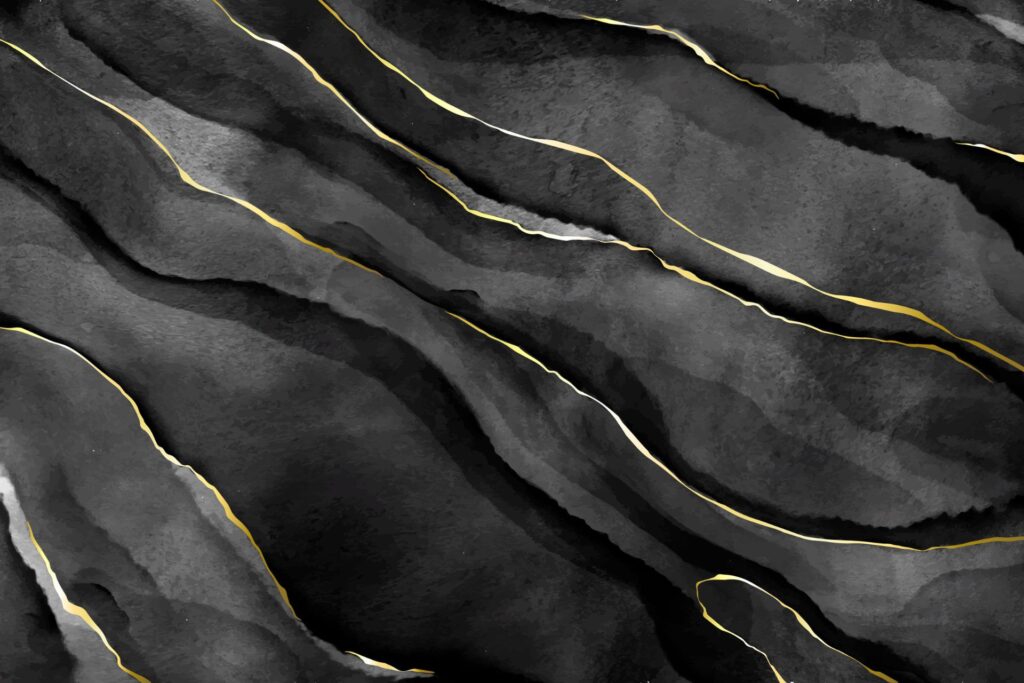
Dramatic black strokes sweep across a white canvas, creating a powerful contrast of light and dark. The textured surface reveals layers of paint application, while the vertical composition draws the eye upward through the piece’s dynamic movement.
15 Night and Day Townscape

Charming illustration depicts a row of traditional buildings with a unique split composition – half in daylight, half in starlit night. The architectural details, windows, and chimneys create a nostalgic atmosphere, while the artist’s signature “Wo Koryszko” anchors the piece
16 Circular Calligraphy

Elegant circular artwork showcases intricate black calligraphic marks against a light background, framed by a dark gray square. The flowing script-like patterns create a mesmerizing dance of lines and forms within the perfect circle, suggesting both movement and meditation.
17 Dark Emotions

Haunting black and white illustration captures a surreal composition of distorted faces expressing various emotional states. The artwork features dramatic contrasts with flowing lines and dripping effects, creating a psychological landscape where faces merge and transform. The piece effectively conveys inner turmoil and complexity of human consciousness through its striking visual elements.
18 Geometric Mandala

Intricate black and white mandala design showcases precise geometric patterns radiating from a central floral motif. The symmetrical composition combines curved lines, geometric shapes, and ornate details to create a mesmerizing circular pattern that draws the eye inward. Each section contains delicate embellishments and flowing designs that contribute to its harmonious structure.
19 Textured Minimalism

Delicate white-on-white textural composition presents a central gradient pattern emerging from a fractured surface. The piece employs a mosaic-like technique where small, irregular shapes create depth and movement, while the monochromatic palette emphasizes the subtle interplay of light and shadow.
20 Dreamscape Journey

Whimsical pencil drawing depicts a surreal narrative featuring interconnected elements including hanging vessels, mysterious figures, and winding pathways. The composition blends architectural elements with organic forms, creating a dreamlike scene where scale and perspective play with viewer’s perception. Small ghost-like figures add an element of storytelling to this imaginative piece.
3. Turn One Idea Into a Finished Piece in 30 Minutes
Use this simple timer with whichever idea you picked. It works for a quick sketch and for a digital painting, because the steps are about decisions, not tools.
- Minutes 0–5: Choose your idea and draw a thumbnail no bigger than your palm, with only three values: white, mid grey, and black.
- Minutes 5–15: Block in the big shapes at full size and place your darkest dark and lightest light.
- Minutes 15–25: Add mid-tone shading and detail only at the focal point.
- Minutes 25–30: Flip the image, squint, fix one contrast problem, and stop. A finished small piece beats an unfinished large one.
When you finish, photograph or export the piece in good daylight and compare it side by side with your thumbnail. If the finished piece still reads clearly when shrunk to thumbnail size, your values are working. If it turns to mush, the contrast range is too narrow, and that is the one thing to fix next time.
4. Frequently Asked Questions
What is black and white digital art?
Black and white digital art is artwork created on a computer or tablet using only black, white, and shades of grey. It includes digital portraits, manga pages, mandalas, and abstract pieces, and it relies on contrast and shading instead of colour to show form and mood.
Is black and white art easier for beginners?
Yes, in one important way: you only have to control value, not colour mixing, so you can focus on drawing, shading, and composition. It is not easier in every way, though, because mistakes in contrast are more visible without colour to distract the eye.
What is the best first black and white idea to try?
Start with the Geometric Mandala (idea 18) if you want a relaxing, forgiving first piece, or the Monochrome Portrait with Choker (idea 1) if you want to practise faces. Both teach value control, and both look finished even at a small size.
How do I stop my black and white drawings looking flat?
Use the full value range. Keep one true white highlight, one true black shadow, and at least three greys between them, and check your work by squinting or shrinking it to thumbnail size. If it still looks flat, the darkest shadow usually needs to go darker.
Can I use these ideas for digital painting apps?
Yes. Every idea works in apps such as Procreate, Photoshop, or Krita with a basic hard round brush and pressure-sensitive opacity. Work on a mid-grey background so both black and white strokes stay visible while you paint.
Do I need to buy special tools for monochrome art?
No. A pencil and paper, or a tablet with a basic brush set, is enough to start. An eraser used for lifting highlights and a sketchbook with smooth paper are the two upgrades that help most once you draw regularly.
Keep exploring
If you liked these monochrome ideas, browse more drawing prompts in sketches digital art ideas and aesthetic vintage background digital art ideas, or try a colour contrast with watercolor building drawing ideas. For your next practice session, pick one portrait, one pattern, and one story scene from this page and draw all three in the same week.
If black and white starts to feel limiting, colour is the natural next step. Our Photoshop digital art ideas walk through moonlit landscapes, portraits, and character art using the same layer-first approach used here.