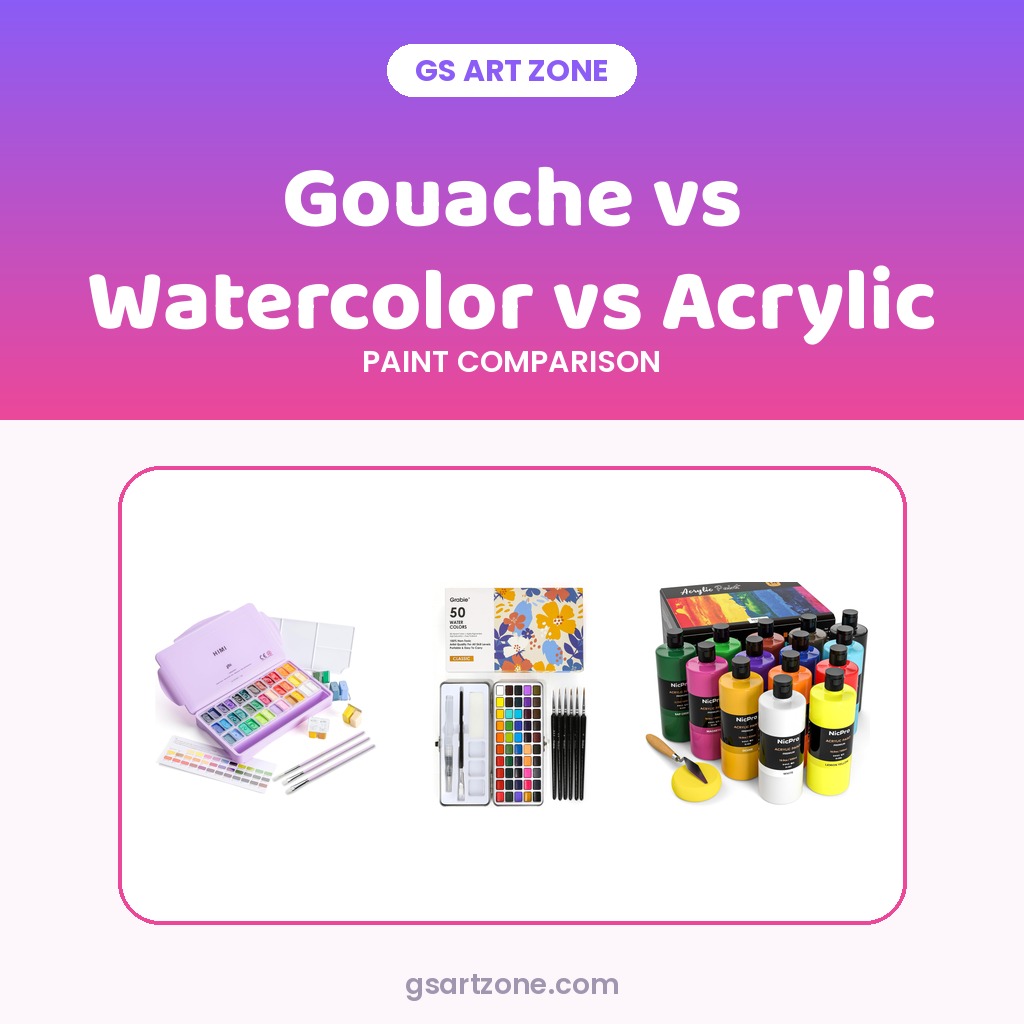
If you are choosing between gouache vs watercolor vs acrylic, here is the honest verdict: there is no single best paint, only the best paint for the look you want. Watercolor gives soft, glowing washes. Gouache gives bold, flat color you can fix easily. Acrylic gives thick texture and a permanent finish that survives on canvas, wood, and more.
All three are friendly to beginners and all three clean up with water while wet. But they feel very different in your hand, and picking the wrong one for your style is a common reason new artists get frustrated and quit. This guide compares them side by side, in plain language, so you can spend your money once and start painting with the right medium.
TL;DR
- Pick watercolor for soft, light, flowing paintings and the lowest startup cost.
- Pick gouache for bold, flat, matte color and the freedom to paint over mistakes.
- Pick acrylic for thick texture, canvas work, and a waterproof finish that lasts.
- Skills transfer between all three, so your first choice is a starting point, not a life sentence.
In this guide
Quick Answer: Which Paint Should a Beginner Pick?
Match the paint to the picture in your head. If you dream of soft and light art, choose watercolor. If you want bold and flat color, choose gouache. If you want textured and permanent work, choose acrylic.
Soft & light = watercolor. Colors are transparent, meaning see-through, so the white paper shines through and makes the painting glow. Lovely for skies, water, and gentle landscapes.
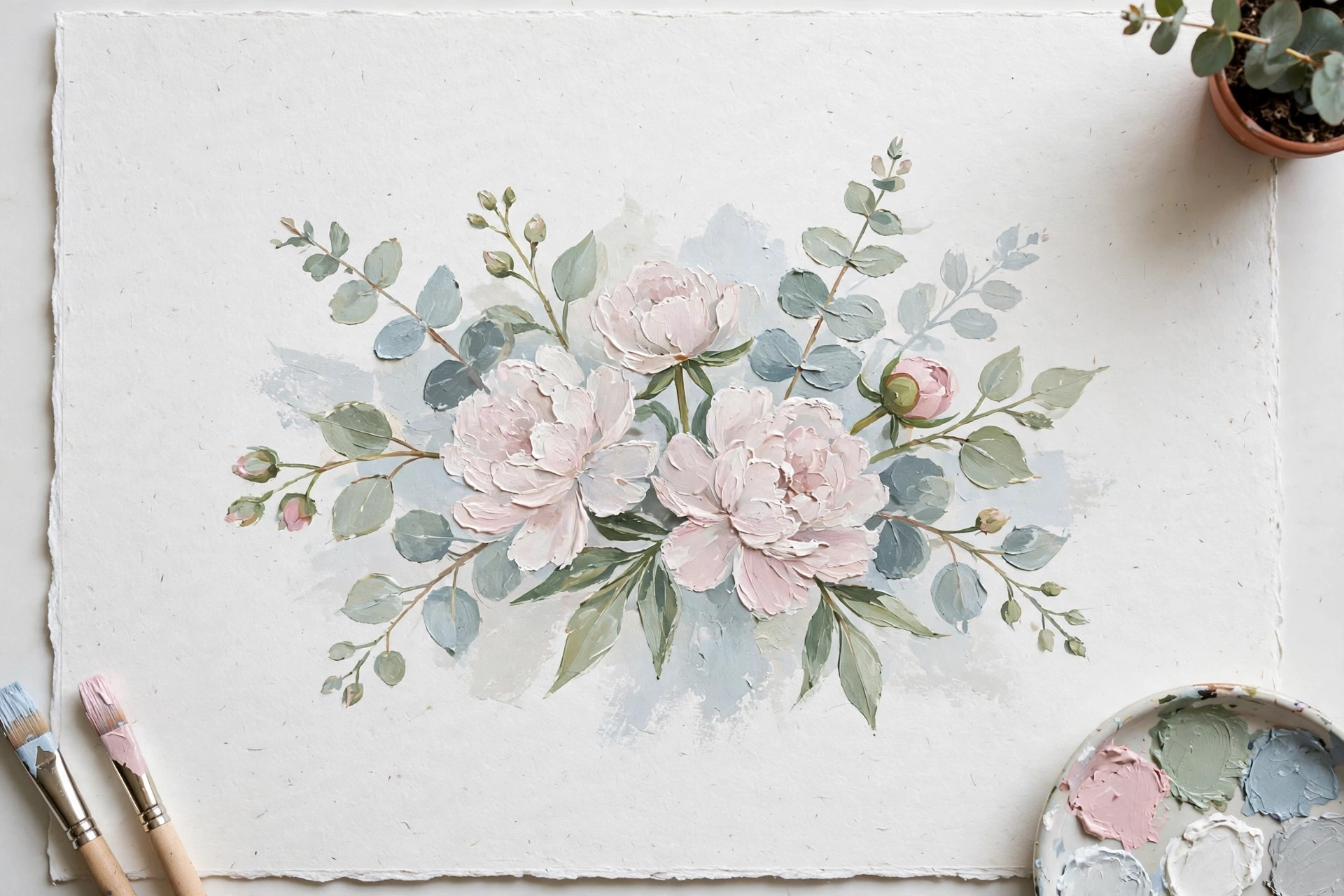
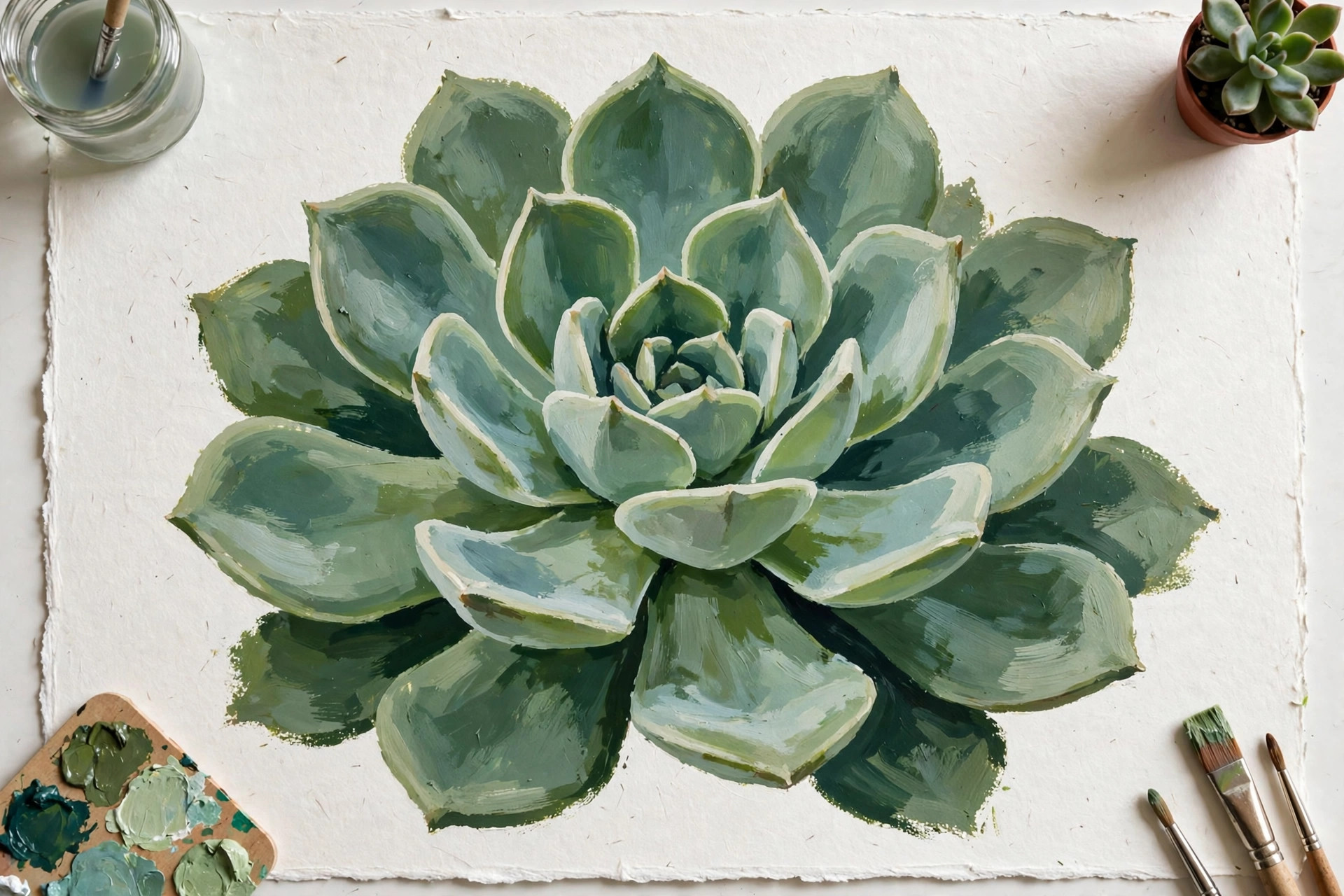
Bold & flat = gouache. Colors are opaque, meaning they cover fully, and they dry to a smooth matte finish with no shine. Great for illustration, posters, and art journaling, and mistakes can simply be painted over.
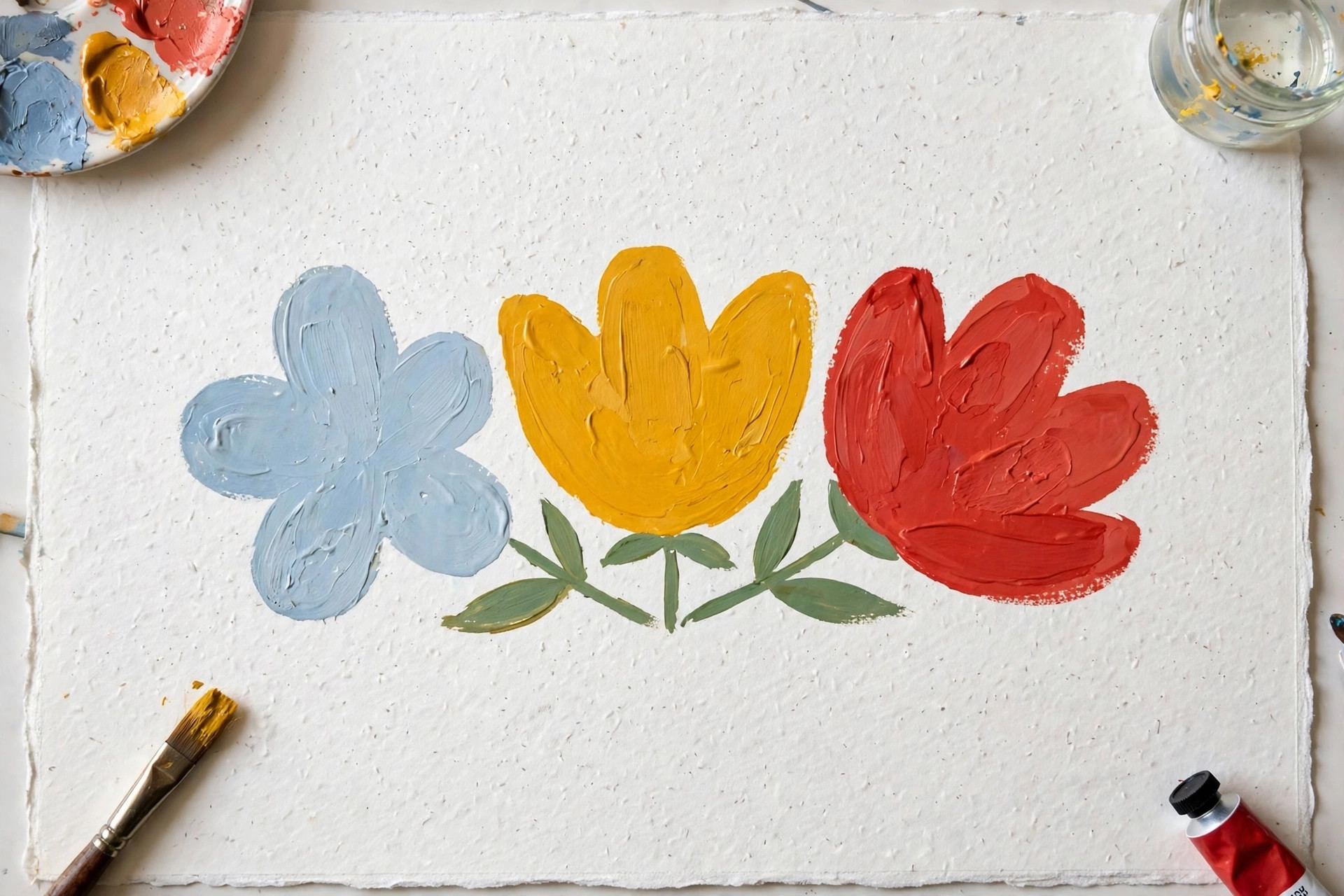
Textured & permanent = acrylic. The paint is thick, dries waterproof, and sticks to canvas, wood, and board. Best if you want to build up chunky texture or hang finished work without glass.
Still torn? Think about mistakes. Watercolor is the hardest to correct, gouache is the easiest to correct on paper, and acrylic lets you paint over errors once a layer dries. Many beginners find that forgiveness matters more than anything else in the first few months.
Here is one more way to decide: think about where and when you will paint. If you will work at a kitchen table in short sessions, gouache and watercolor win because setup and cleanup take two minutes and nothing stains. If you have a corner where a canvas can sit untouched for days, acrylic becomes much easier to manage. Your space and your schedule shape your habit, and the paint you actually use three times a week beats the “perfect” paint that stays in a drawer.
Gouache vs Watercolor vs Acrylic: Full Comparison
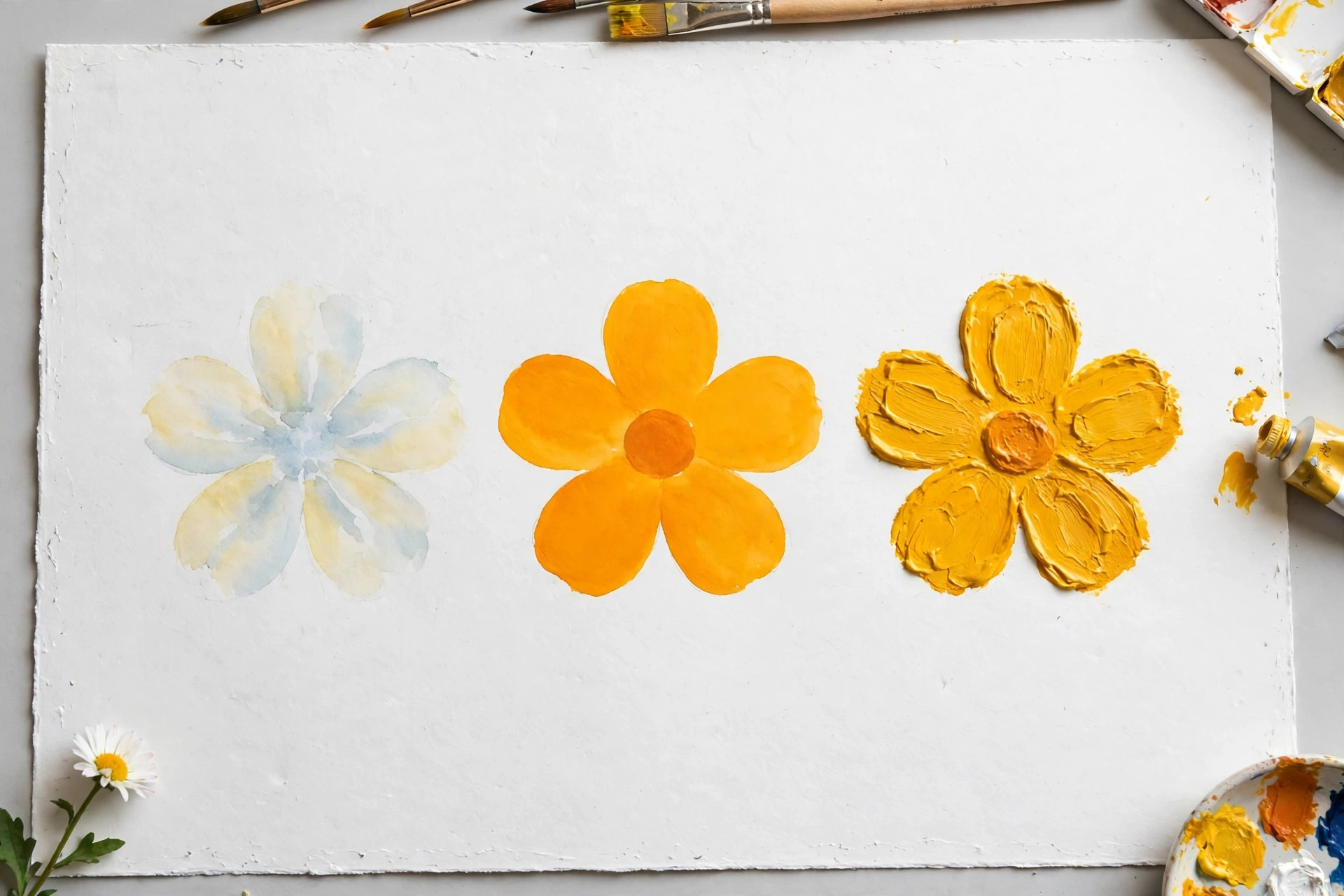
The table below puts the three paints side by side on the things beginners actually care about. Scan it first, then read the sections after it for the details behind each row.
| Feature | Gouache | Watercolor | Acrylic |
|---|---|---|---|
| Opacity (how well it covers) | Fully opaque, covers dark colors | Transparent, paper shows through | Semi-opaque to opaque, depending on the color |
| Finish | Flat matte, no shine | Soft matte, colors glow from the paper | Satin to slightly glossy |
| Drying time | Fast, about 5-15 minutes per layer | Fast, a few minutes per wash | Very fast, often 10-20 minutes |
| Reworkable after drying | Yes, add water and it softens again | Partly, dry paint can be lifted but may stain | No, once dry it is waterproof and fixed |
| Cleanup | Water only, very easy | Water only, very easy | Water while wet; dried paint is hard to remove |
| Starter cost | About $20-$45 for a full setup | About $15-$35 for a full setup | About $25-$50 for a full setup |
| Best surface | Thick paper, watercolor paper, art journals | Watercolor paper | Canvas, canvas board, wood, thick paper |
| Learning curve | Gentle, mistakes are easy to cover | Steepest, water is hard to control | Moderate, fast drying takes practice |
| Best for | Illustration, posters, flat color art | Landscapes, skies, loose and light art | Canvas paintings, texture, murals, crafts |
The rows that decide it for most people are opacity and reworkability. If you want to fix mistakes by covering them, gouache and acrylic win. If you love light shining through color, only watercolor gives you that look.
What Is Each Paint Actually Like to Use?
On paper the three paints sound similar, but each one feels different within five minutes of painting. Here is what a normal session with each paint is really like, including the frustration nobody warns you about.
Watercolor: Loose, Glowing, and a Little Wild
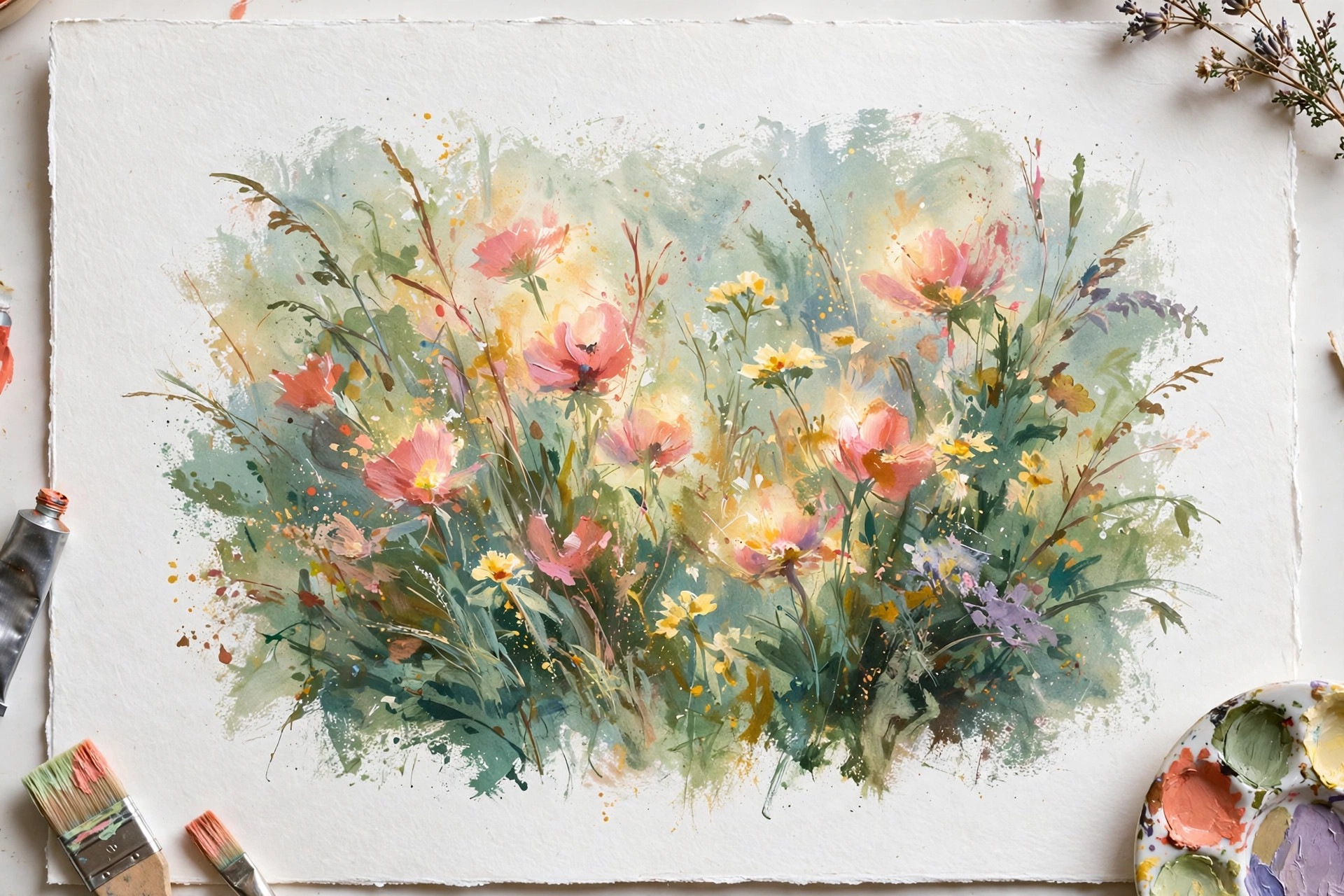
Watercolor feels like guiding colored water across the page. The paint moves on its own, blooms into soft edges, and rewards a light touch. The common frustration is control: the water goes where it wants, puddles form, and a dark mistake cannot be covered because the paint is see-through. You must also plan your whites from the start, since there is no white watercolor that covers; the white in a watercolor painting is bare paper you protected. On the plus side, a session is peaceful and almost mess-free. A pan set opens in seconds, and when you are done you just close the lid, with no tubes to wash and no palette to scrape.
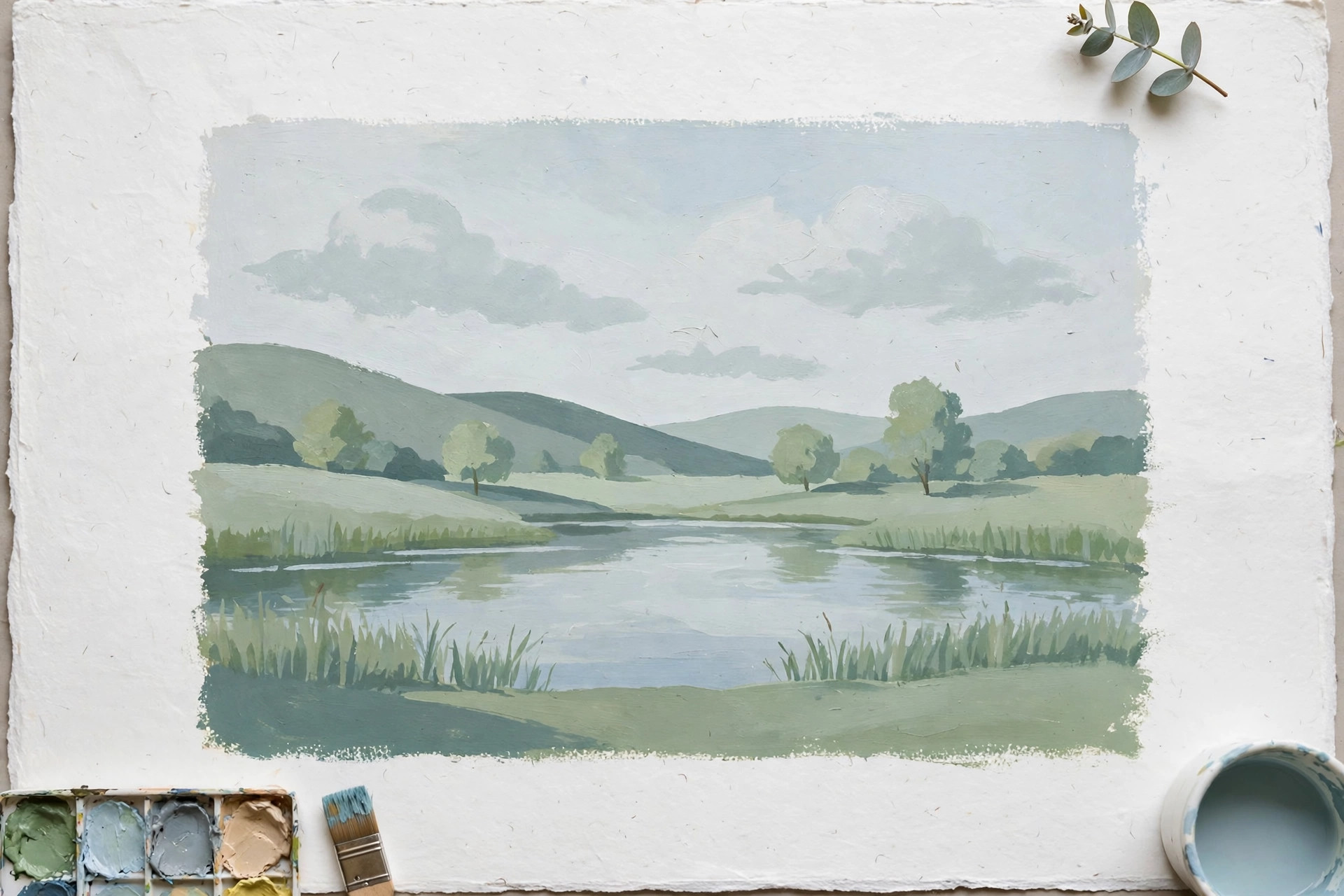
Gouache: Calm, Flat, and Forgiving
Gouache feels like spreading soft cream. It stays where you put it, covers what is underneath, and dries to a calm, flat surface. The common frustration is consistency: add too much water and it dries streaky and weak; keep it thick and it behaves beautifully. Colors can also dry a little darker or lighter than they look wet, so a quick test swatch on scrap paper saves surprises. The joy of gouache is editing. If a shape looks wrong, you let it dry, paint straight over it, and nobody can tell. That safety net makes beginners braver, and brave beginners improve fast.
Acrylic: Thick, Fast, and Permanent
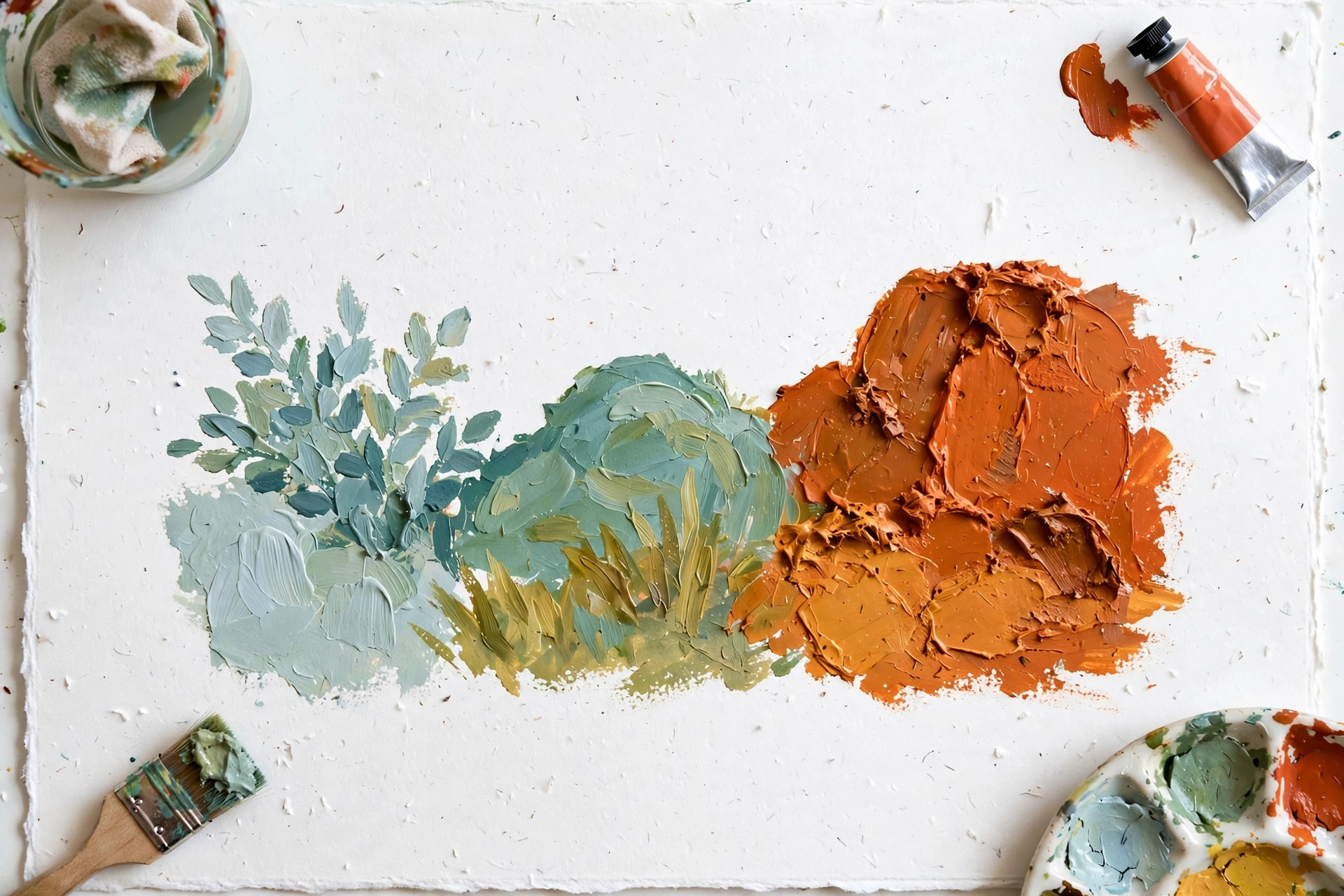
Acrylic feels like soft butter or thick cream that you can push around and build into ridges. It is the only one of the three that truly works on canvas and wood. The common frustration is speed: it starts drying on your palette and brush within minutes, so beginners often fight sticky, half-dry paint. The flip side is freedom, because once a layer dries you can paint over it forever without disturbing it. Small habits fix the speed problem: mist your palette with water now and then, work one area at a time, and wash brushes promptly, because dried acrylic ruins them.
Which Paint Is Cheapest to Start?
Watercolor is usually the cheapest way in, gouache is close behind, and acrylic costs a little more because of surfaces. All three can start for well under $50 if you keep the setup simple.
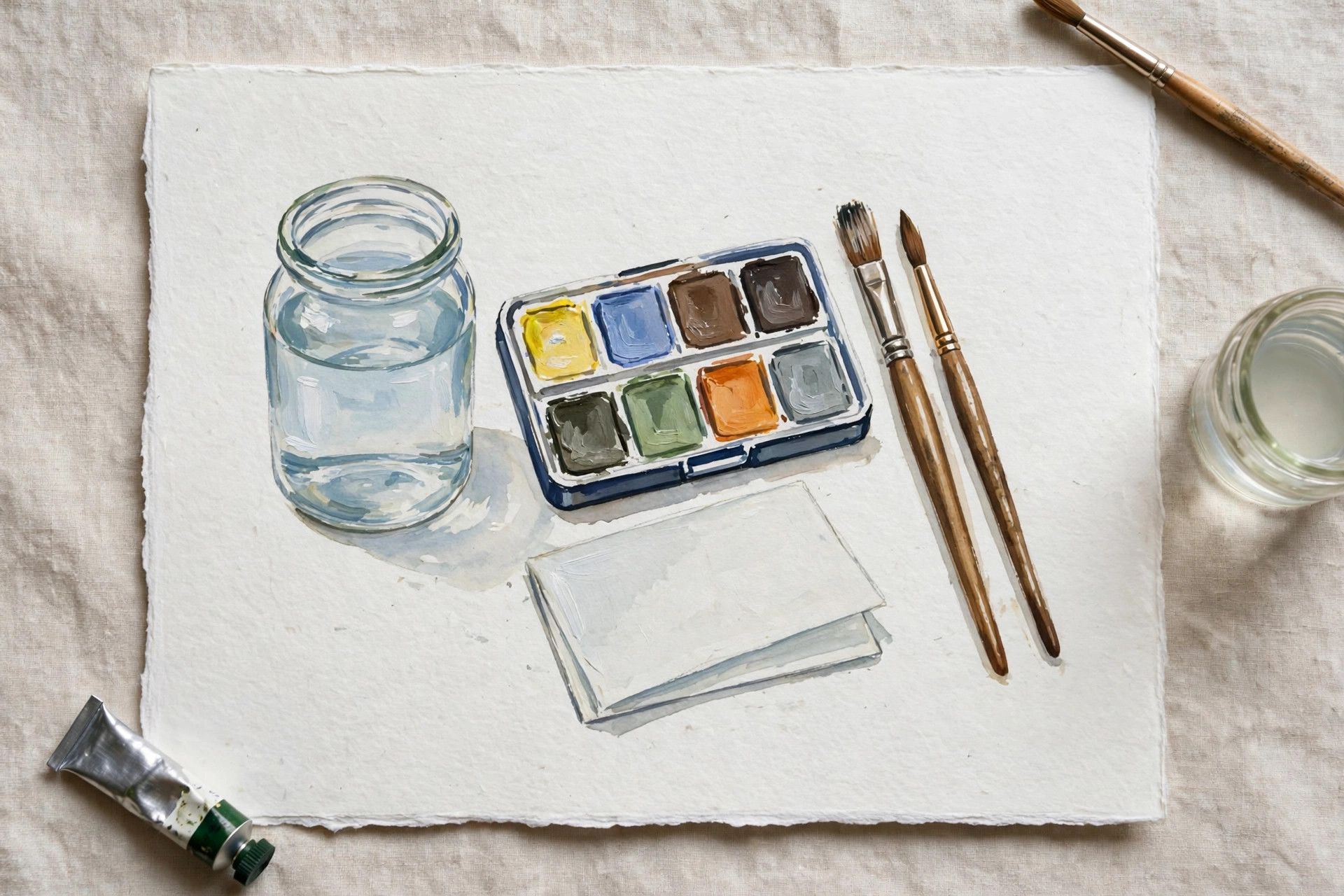
Watercolor starter setup: about $15-$35. A pan set (dry blocks of paint you wet with a brush) lasts for months, plus 2 brushes and a pad of watercolor paper.
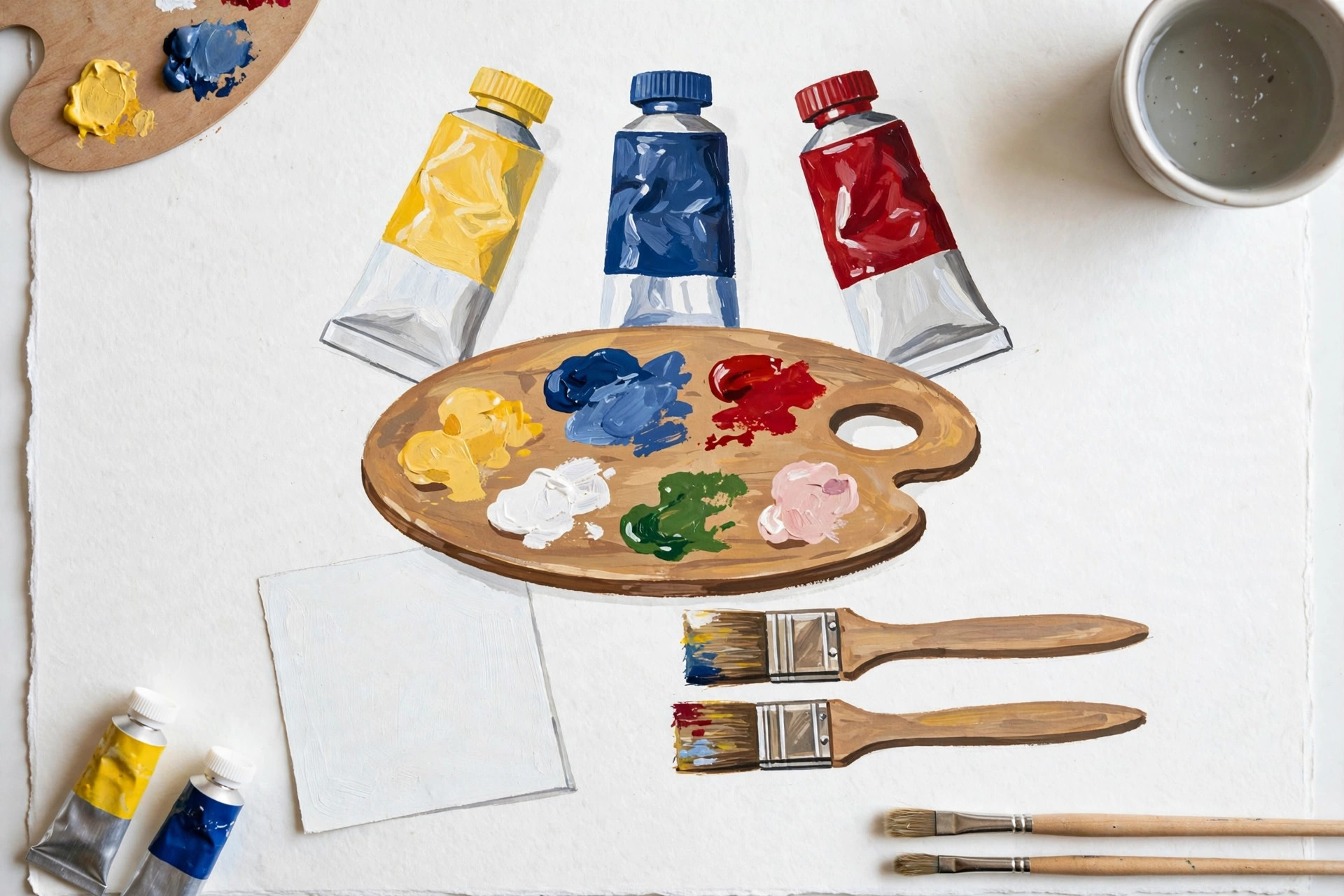
Gouache starter setup: about $20-$45. A tube or jelly cup set, 3 brushes, and thick paper of at least 300 gsm (paper weight; higher means thicker).
Acrylic starter setup: about $25-$50. A small tube set, brushes made for thicker paint, and canvas boards or an acrylic paper pad.
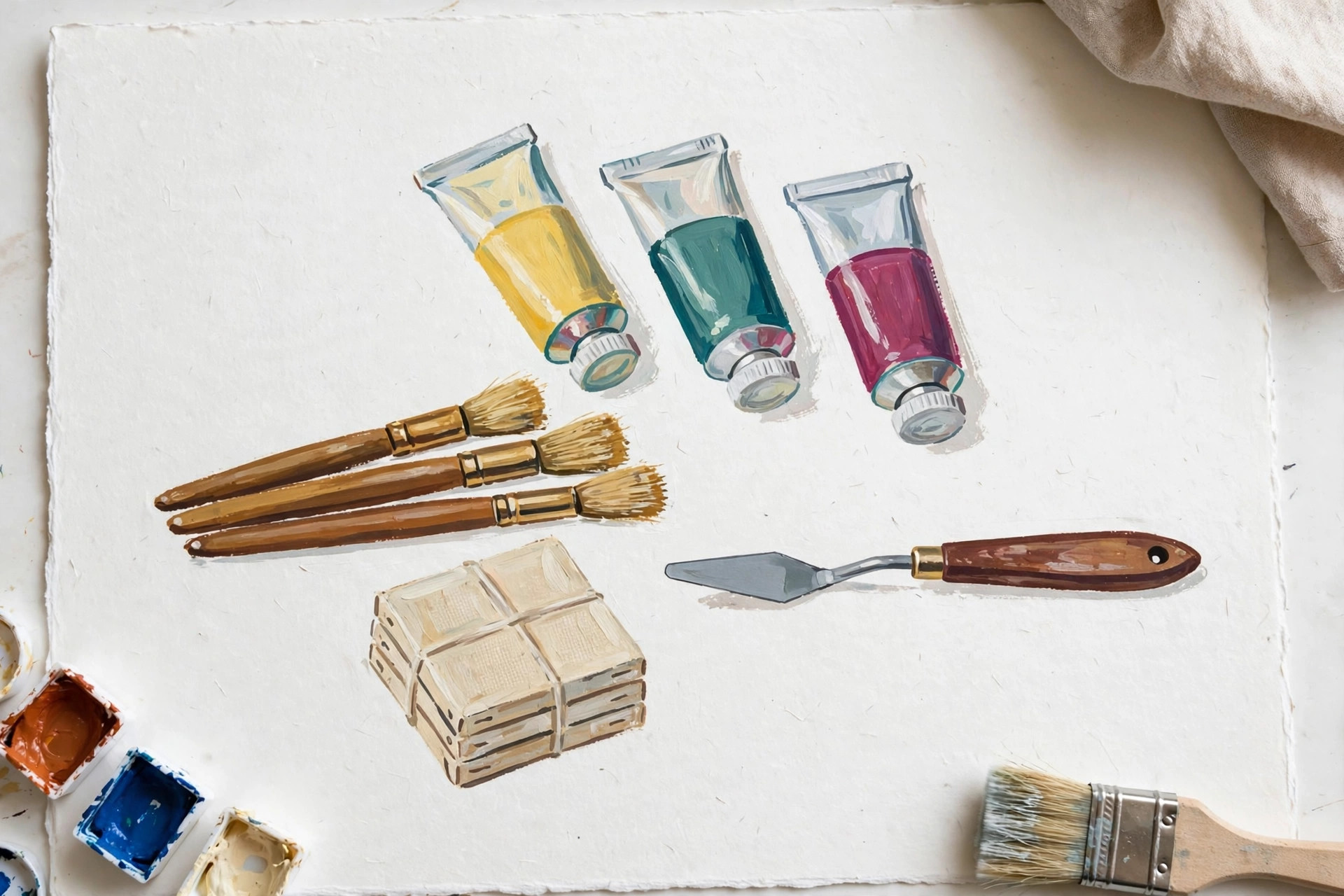
One money tip that applies to all three: buy a small set of good colors instead of a giant box of cheap ones. Cheap paint has less pigment (the actual color ingredient), so it looks dull and teaches you bad habits. You can mix almost any color from a handful of strong basics.
Running costs stay low for all three as well. Watercolor pans last the longest because you use so little paint each time. Gouache gets used up a bit faster since you paint with it thick, and white runs out first in almost every set. Acrylic is used most generously of all, especially on canvas, but student-grade tubes are inexpensive. For a hobby painter, expect only a few dollars a month in refills for any of them once your basic setup is in place.
Which Paint Fits Your Art Style?
Your favorite kind of picture is the best guide to your first paint. Artists tend to stick with the medium that matches the art they already love looking at.
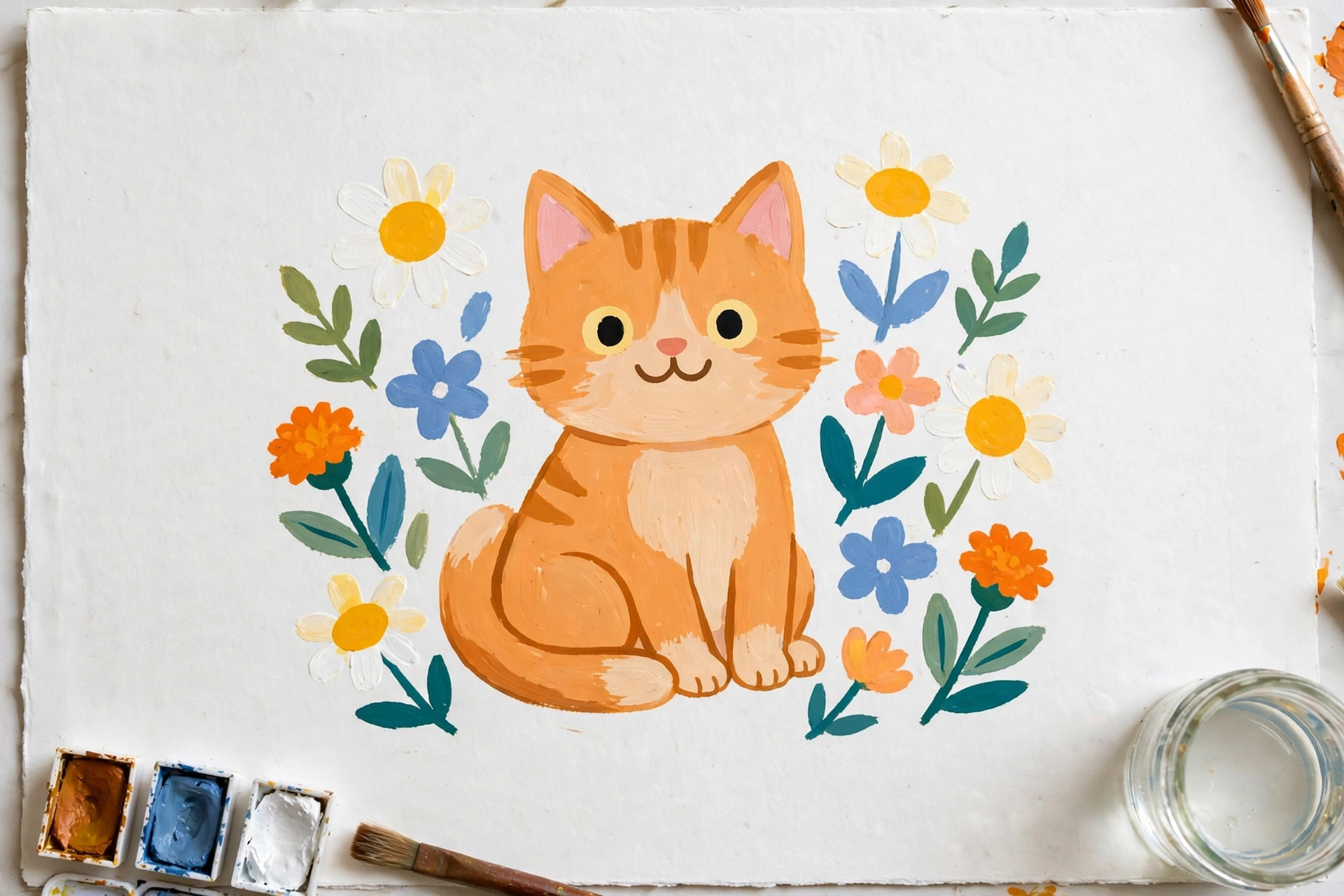
Flat illustration and cute, graphic color: Choose gouache. Its matte, solid shapes are perfect for storybook art, posters, stickers, and journal pages. If you like anime-style flat coloring with clean edges, gouache gives you that look straight from the tube.
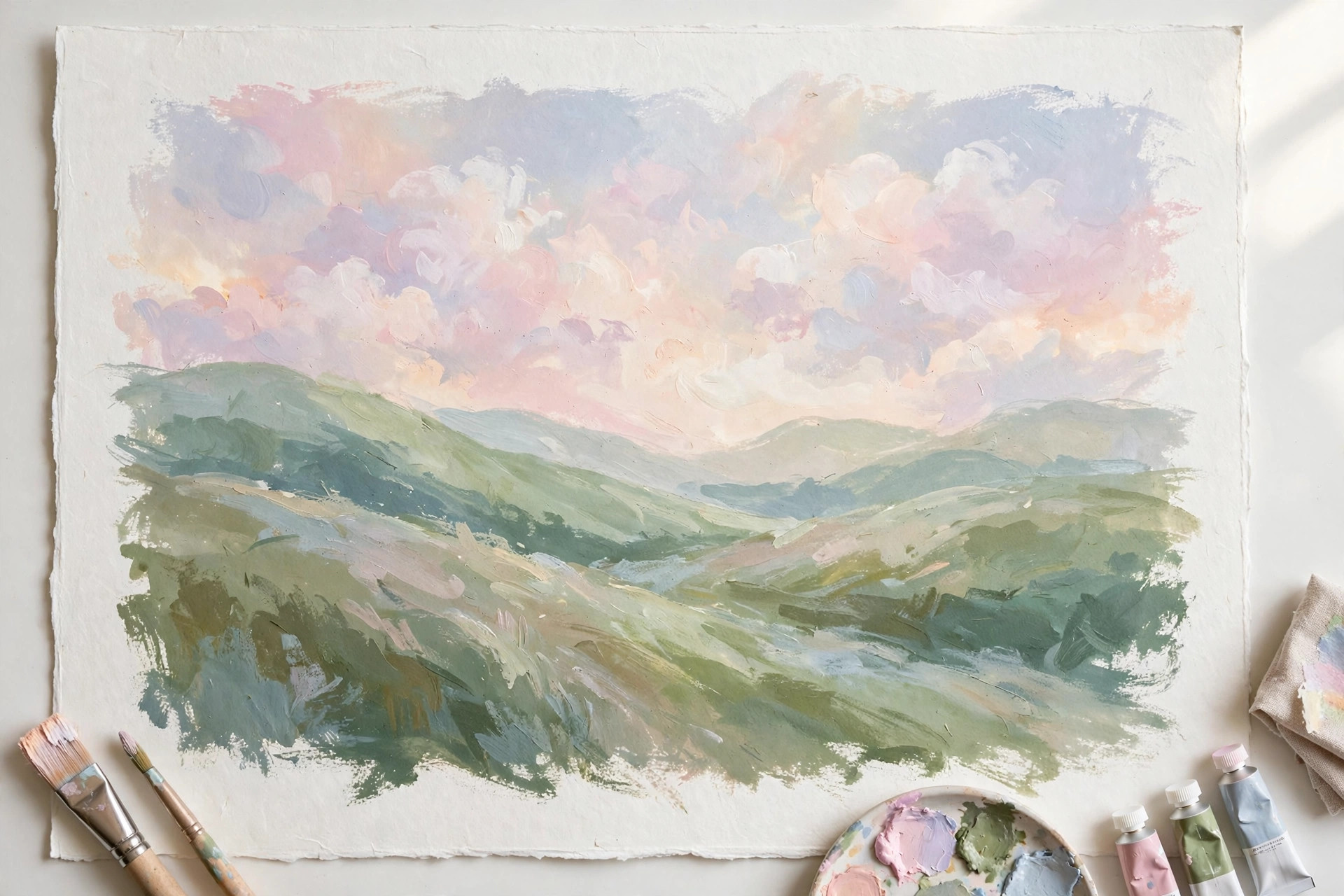
Loose landscapes and dreamy skies: Choose watercolor. Its flowing washes and soft edges were made for clouds, water, fog, and gentle light.
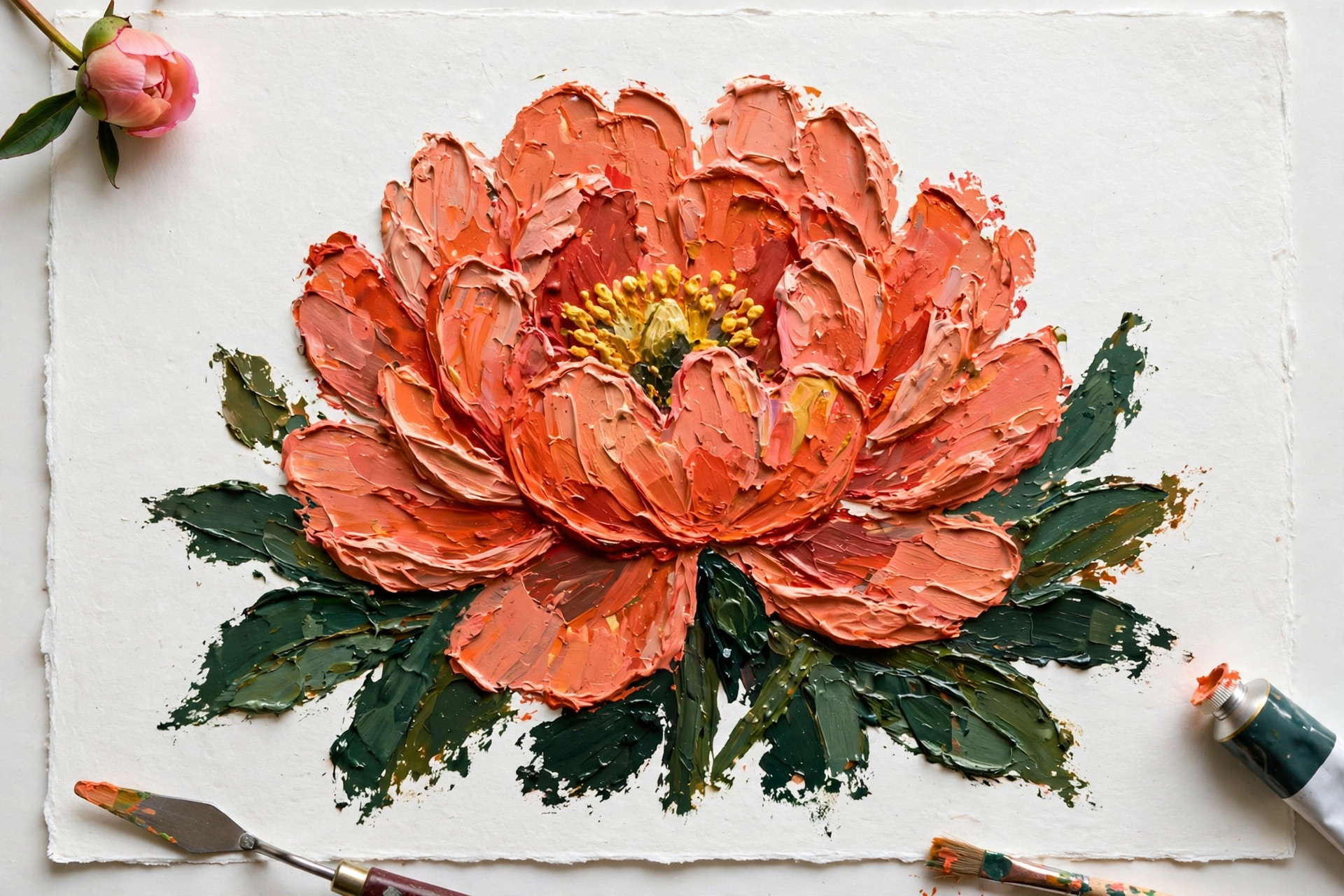
Canvas art and texture: Choose acrylic. If you want visible brush marks, thick paint you can almost sculpt, and finished pieces you can hang or sell without framing under glass, acrylic is your medium.
None of these are rules. Plenty of artists paint landscapes in gouache and illustrations in acrylic. But starting where your taste already points makes practice feel like play instead of homework.
Can You Switch Paints Later?
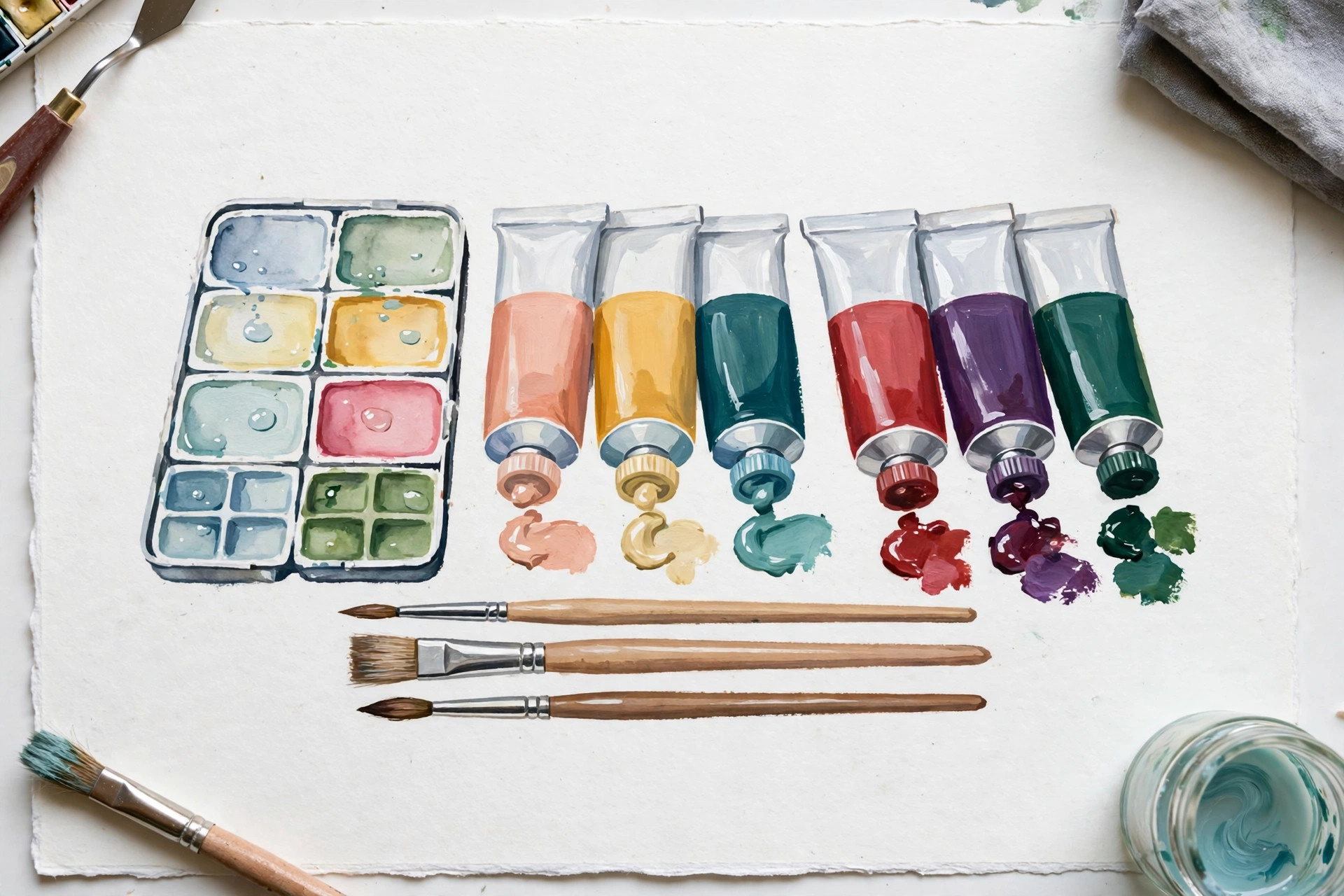
Yes, and most artists do. The core skills are the same in every medium: mixing colors, seeing light and dark values, controlling a brush, and planning a composition (how the shapes are arranged on the page). Months spent on any one paint make the other two much easier to pick up.
Gouache and watercolor are especially close cousins. They share brushes, paper, and palettes, and you can even use them in the same painting. Acrylic asks for a few different tools, mainly stiffer brushes and a canvas surface, but your color knowledge carries straight over. So do not stress about choosing “forever.” Choose for the next three months, paint a lot, and let your taste lead the next step.
A simple plan works well for many of my students: start with the paint that matches your favorite pictures, give it a full sketchbook or about three months of regular practice, and only then try a second medium if you are still curious. By that point you will have real brush control and color sense, and the new paint will feel like a dialect of a language you already speak instead of a brand-new subject.
Frequently Asked Questions
Is gouache harder than watercolor?
No, most beginners find gouache easier than watercolor. Gouache stays where you put it and covers mistakes, while watercolor flows freely and cannot hide errors. Watercolor takes longer to control, though its soft look is worth it if that is the style you love.
Can gouache go over acrylic?
Yes, gouache can be painted over dry acrylic, and it sticks fine for paper and journal work. The reverse is less happy: acrylic over gouache can crack over time because gouache stays water-sensitive underneath. For lasting canvas work, keep gouache on top or use one medium only.
Which paint dries fastest?
Acrylic usually dries fastest to the touch, often within 10 to 20 minutes, and thin watercolor washes can dry in just a few minutes. Gouache sits in the middle at about 5 to 15 minutes per layer. All three dry fast compared with oil paint, which can take days.
Which is best for painting on paper?
Gouache and watercolor are both made for paper, as long as the paper is thick enough, ideally 300 gsm watercolor paper. Acrylic also works on paper, but it can wrinkle thin sheets and feels better on canvas board. For a sketchbook habit, gouache is the most forgiving choice.
Do professionals use gouache?
Yes. Illustrators, animation background artists, and designers have used gouache professionally for over a century. It scans and photographs cleanly because of its matte finish, which makes it a favorite for book covers, posters, and concept art.
Where to Go Next
If gouache sounds like your paint, our pillar guide to gouache painting for beginners covers supplies, techniques, and your first painting step by step. Ready to just start making things? Try these easy gouache painting ideas and finish a small piece today. If watercolor won your heart instead, the watercolor painting guide explains the basics in the same plain language, and our roundup of the best watercolor paint sets for beginners will help you shop with confidence.

Similar Posts