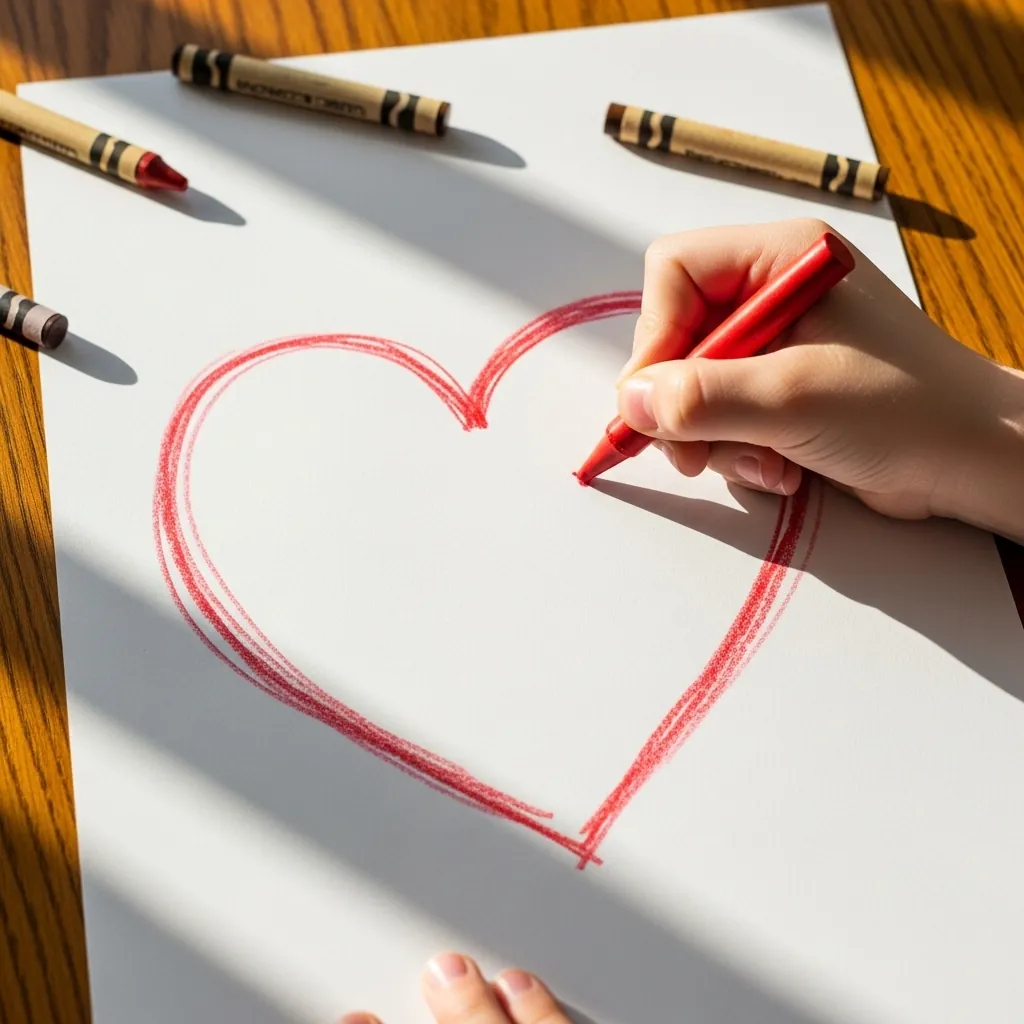
Fold the paper in half, draw only half a heart against the fold, then cut or trace it and open the paper out. Both sides match exactly, which solves the one problem every lopsided heart has.
Key takeaways
- ["Fold the paper and draw half a heart against the fold for perfect symmetry", "Freehand, mark a center line first and keep the point directly under the dip", "Both bumps must reach the same height, or the heart looks like it is leaning", "Fill in one direction only, since scribbling every way looks messy up close", "Draw the heart big, because small hearts are far harder to keep even"]
Every lopsided heart has the same cause, and there is a two-second fix for it. Fold the paper in half and draw only one side of the heart against the fold. Cut it out or trace round it, open the paper, and both halves are identical because they were the same piece of paper.
Drawing freehand needs one extra mark. Rule a light vertical line down the middle first, then keep the dip at the top and the point at the bottom sitting exactly on that line. Nearly every wonky heart happens because the point drifts sideways while the bumps stay put.
One more thing worth knowing. The heart symbol is not a drawing of a real heart at all, and nobody is certain where it came from; the shape appears in medieval European art long before anyone dissected the organ, and it may have started as an ivy or fig leaf.
The forty ideas below use crayon, marker, chalk, pastel and paint, and go from a plain outline up to splattered and layered versions. For painted projects see easy watercolor art ideas for kids, and for character work, cute girl drawing for beginners.
Compiled by the GS Art Zone editorial team. Last updated August 2026. Each idea is paired with the specific step that produces the effect, so you can go from the reference straight to paper.
What You Need Before You Start
- Chunky wax crayons, which forgive wobbly hands better than any pencil
- A folded sheet of scrap paper, for making a heart template to draw round
- One red and one pink, so the fill and the outline can differ slightly
- A soft pencil for the center line, light enough to rub out afterwards
- Colored card as well as white, because a heart on blue looks completely different
1. Big Crayon Outline
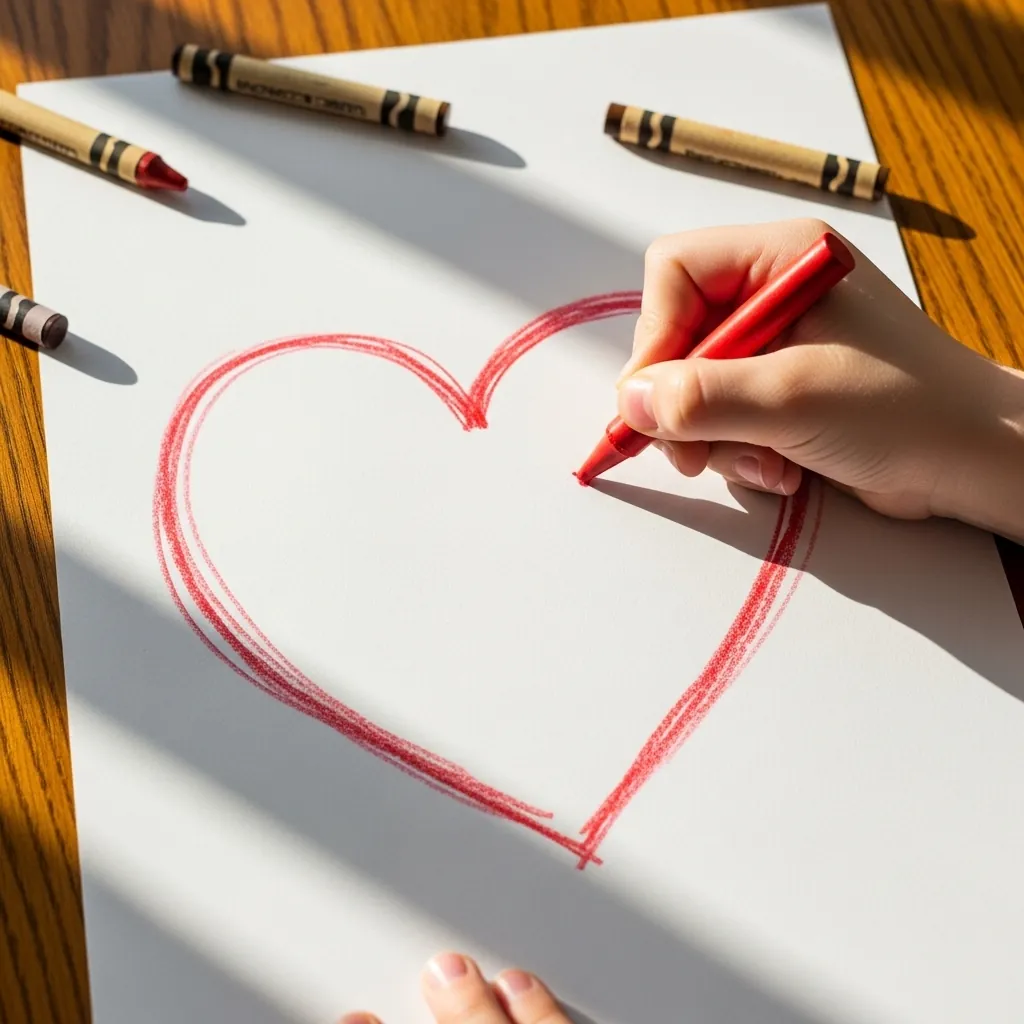
Start as large as the paper allows, because a big heart is far easier to keep even than a small one. Draw the left bump, the right bump and the point in three separate movements rather than one continuous loop, and check the point against the middle before going over the line again.
2. Heart With a Face
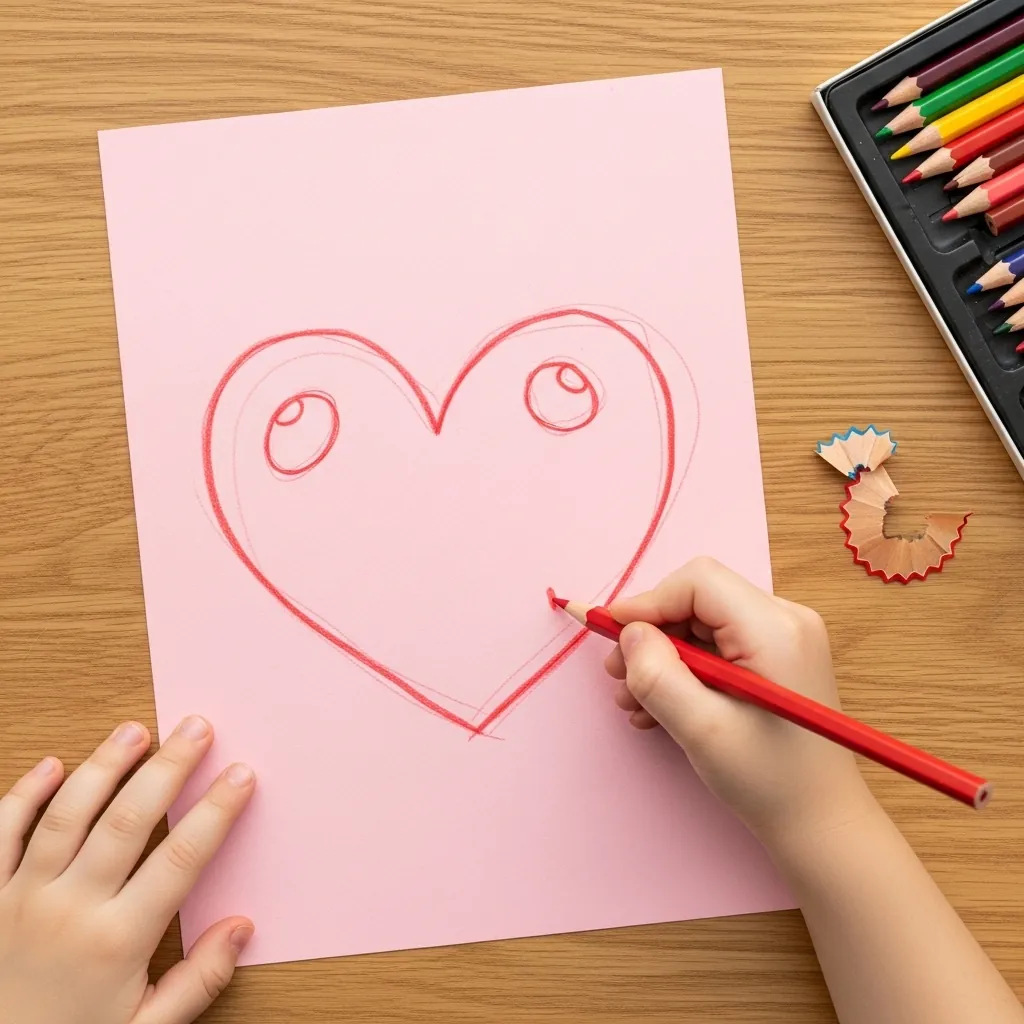
Turning the shape into a character makes it a drawing rather than a symbol. Put the two eyes inside the upper bumps, one in each, and keep them the same size and height. A tiny mouth low down near the point completes it.
3. Clean Marker Outline
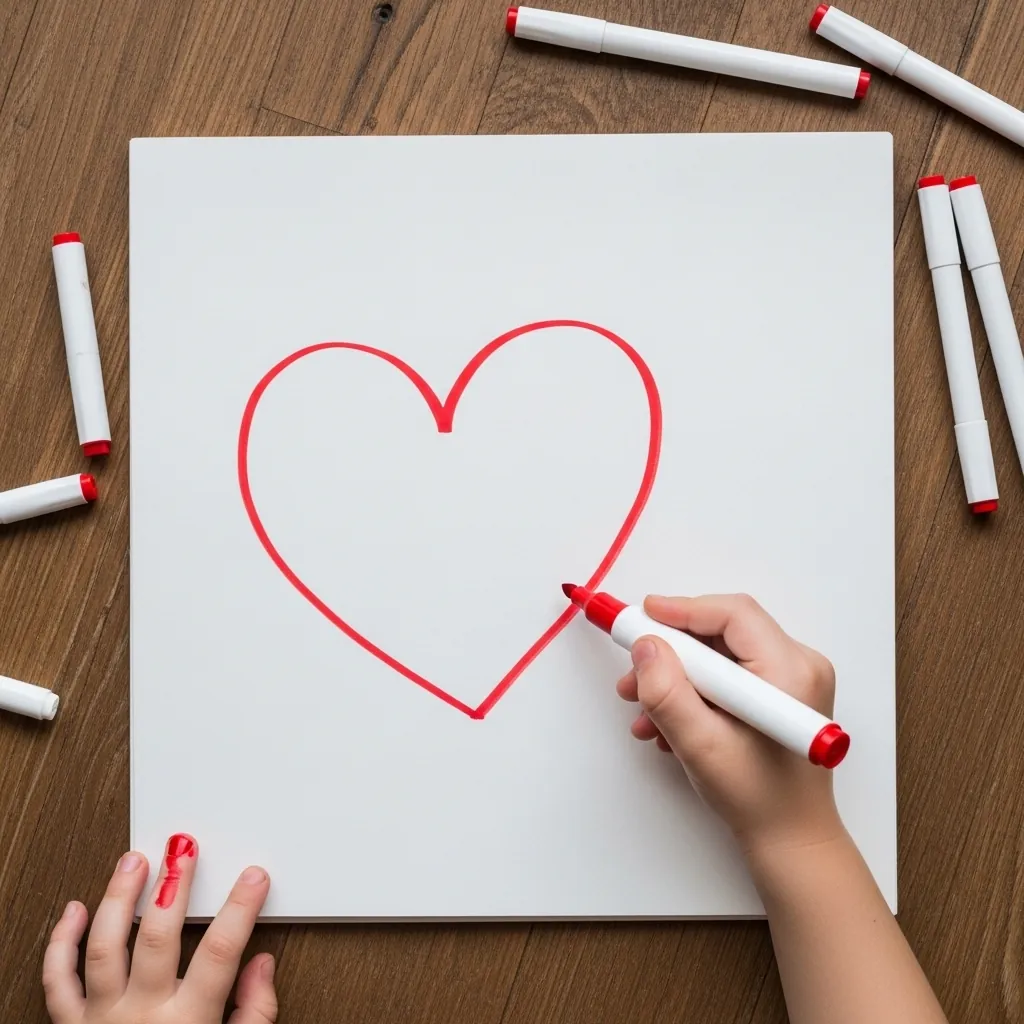
Marker shows every hesitation, so plan before the nib touches the paper. Sketch the shape faintly in pencil first, then draw over it in one confident pass without stopping halfway; lifting the pen mid-curve leaves a blob that will not rub out.
4. Small Heart Inside a Big One
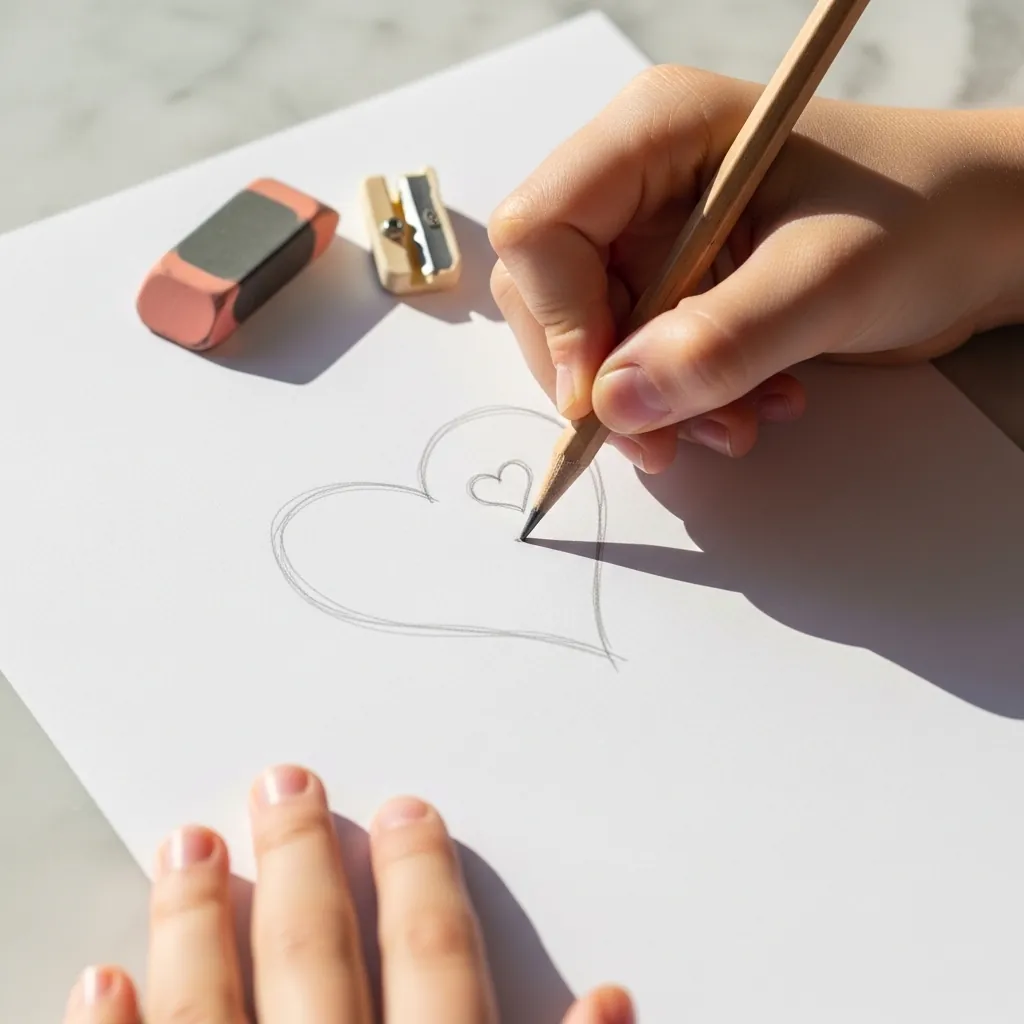
Nesting one heart inside another teaches even spacing. Draw the outer heart first, then work inward keeping the gap the same all the way round, which is harder at the point than anywhere else; pencil lets you correct the gap before committing.
5. Thick Crayon Heart on Cream
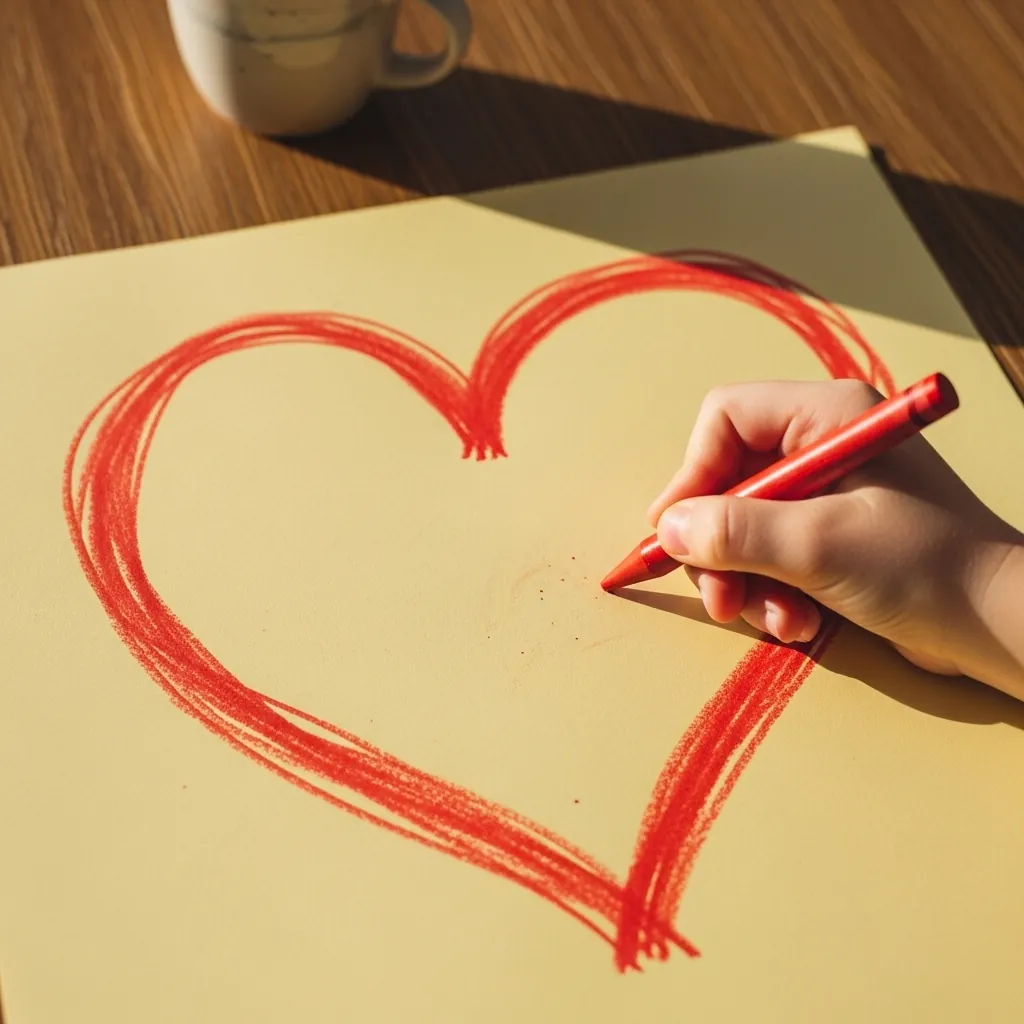
Cream paper takes the harshness out of a strong red. Press hard and build the outline in several passes so the wax sits thick and glossy, and let the edges stay slightly rough. A crayon line looks better untidy than labored.
6. Heart Framed With Flowers
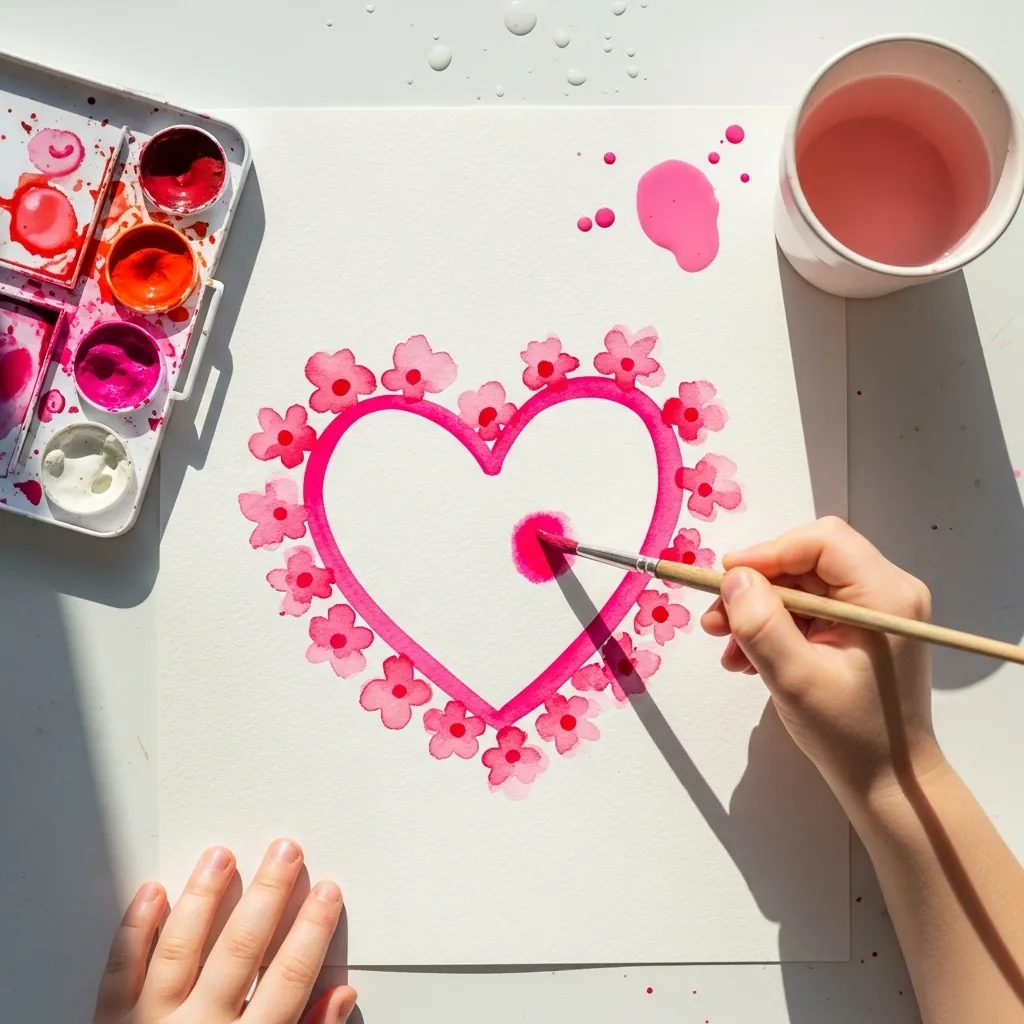
A border turns a plain heart into a finished picture. Paint the heart first and let it dry, then ring it with small flowers spaced evenly around the outline, keeping every flower roughly the same size; leave a clear gap between the border and the heart itself.
7. Soft Chalk Heart
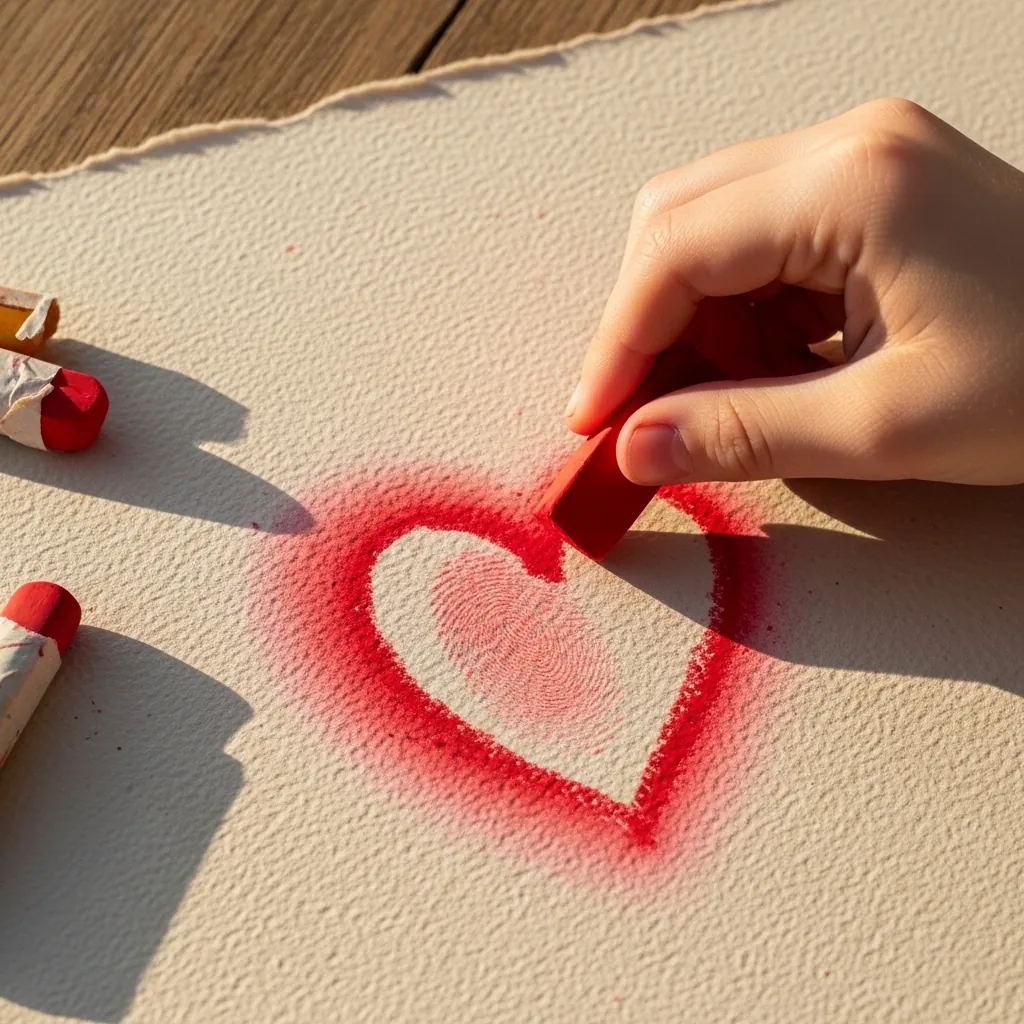
Chalk sits on the surface and smudges easily, which you can use deliberately. Draw the outline, then drag a fingertip outward from the line so the color fades away into the paper; blow the loose dust off rather than brushing it.
8. Two-Tone Sketchbook Heart
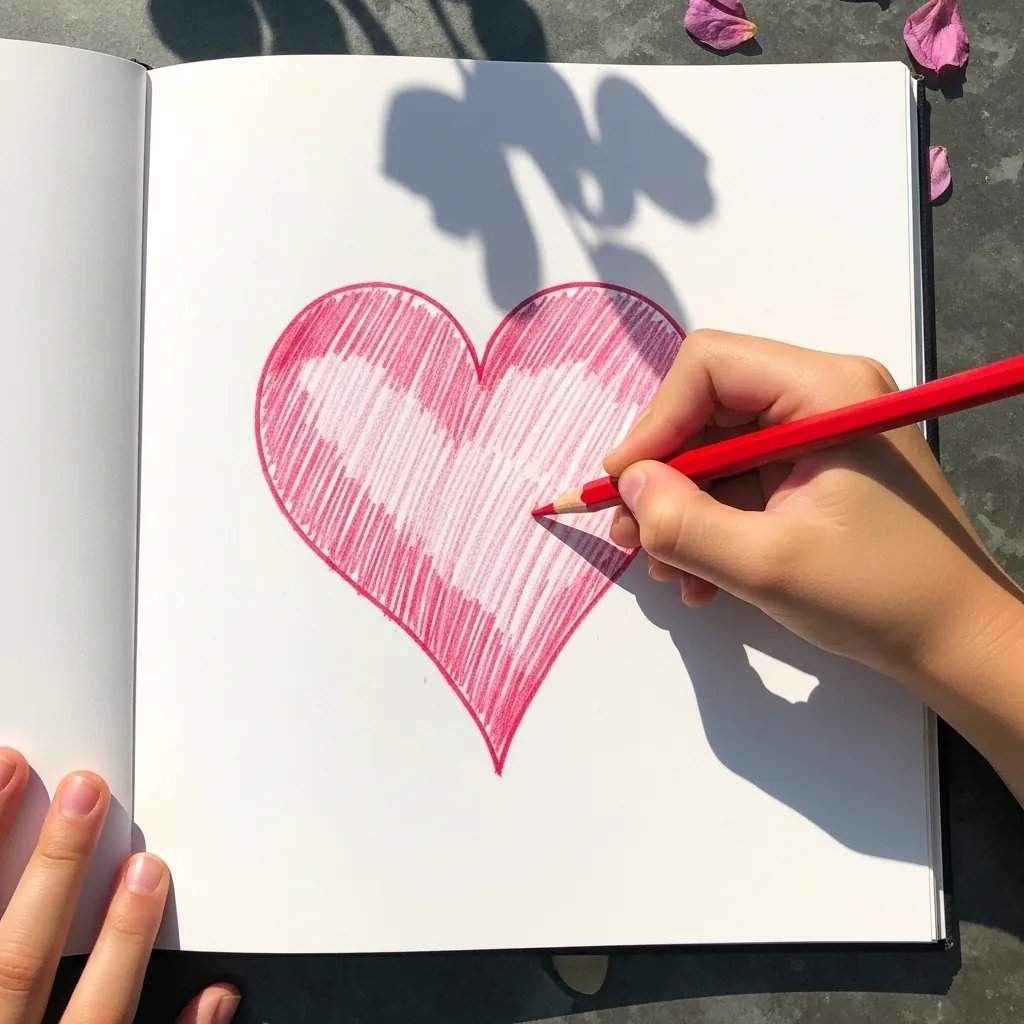
Two shades of the same color make a flat shape look rounded. Fill the whole heart in the paler pink, then go over the left half again with a deeper tone, and blend the join by pressing lightly where they meet. Light always comes from one side.
9. Heart With Little Ears
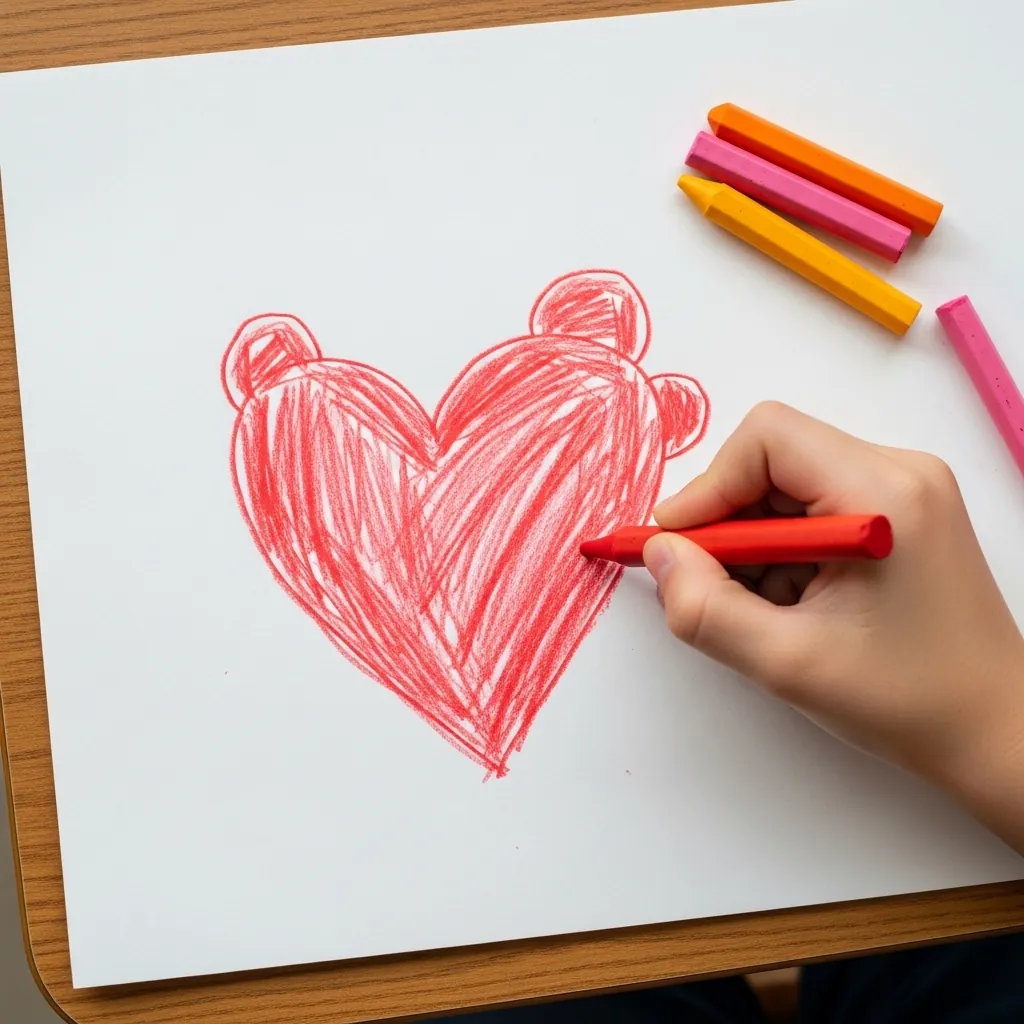
Adding ears turns the heart into an animal without drawing an animal. Put two small circles at the top outer edges of the bumps, overlapping slightly, and keep them small enough that the heart shape still reads first; scribble the fill in one direction.
10. Zigzag Border Heart
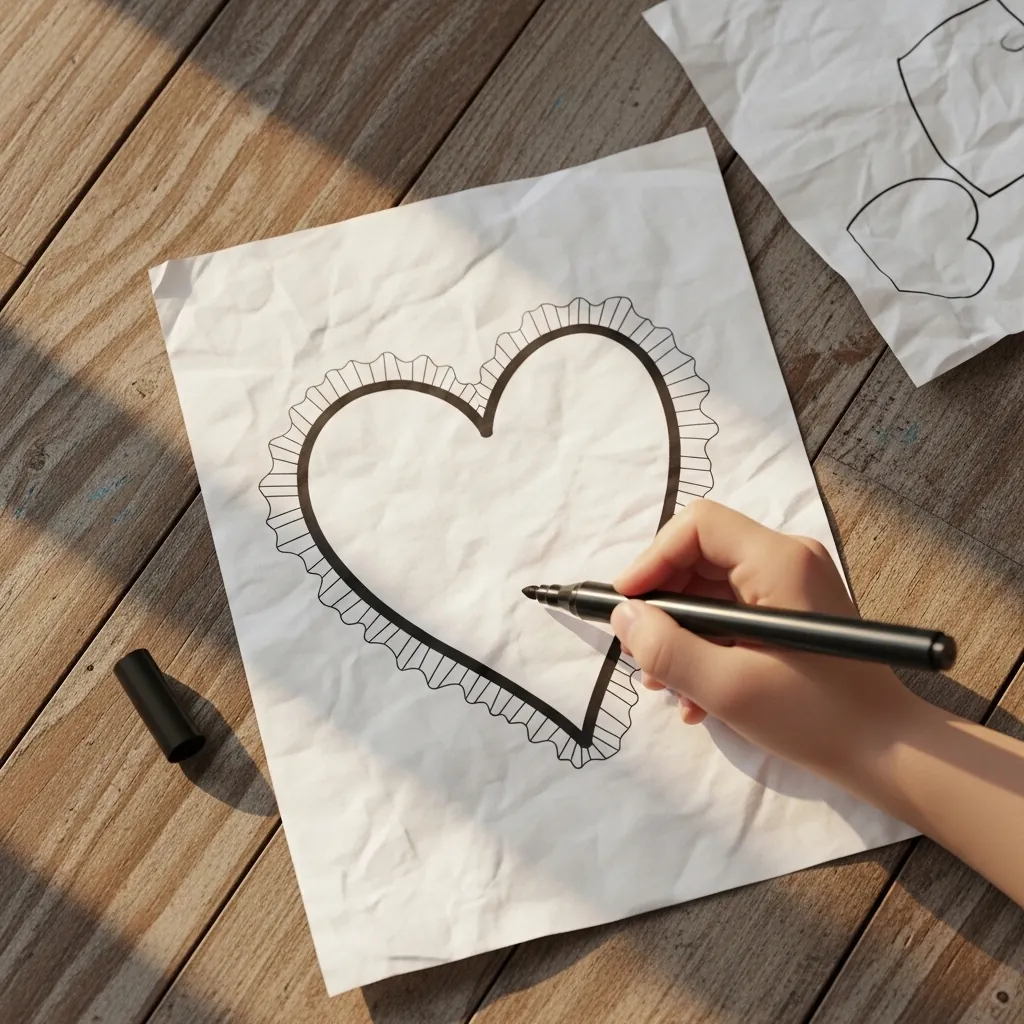
A decorated edge needs a steady rhythm. Draw the plain heart first, then work the zigzag all the way round at a constant size, turning the paper as you go rather than twisting your wrist; count the points on each side to check they match.
11. Bold Pink Marker Fill
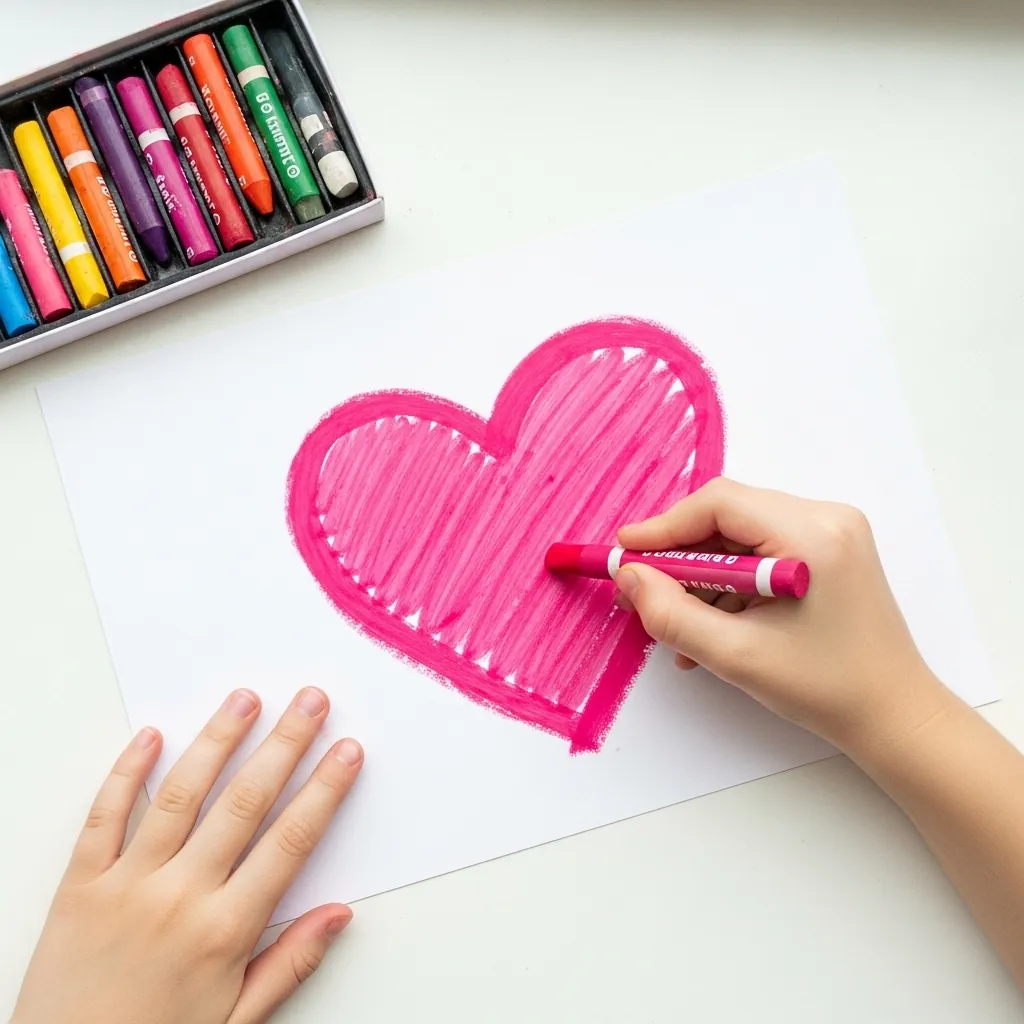
Solid marker fill streaks unless you plan the strokes. Work in parallel lines that slightly overlap, always in the same direction, and do the outline last so it covers the ends of every stroke. Do not go back over a dry patch.
12. Stippled Heart
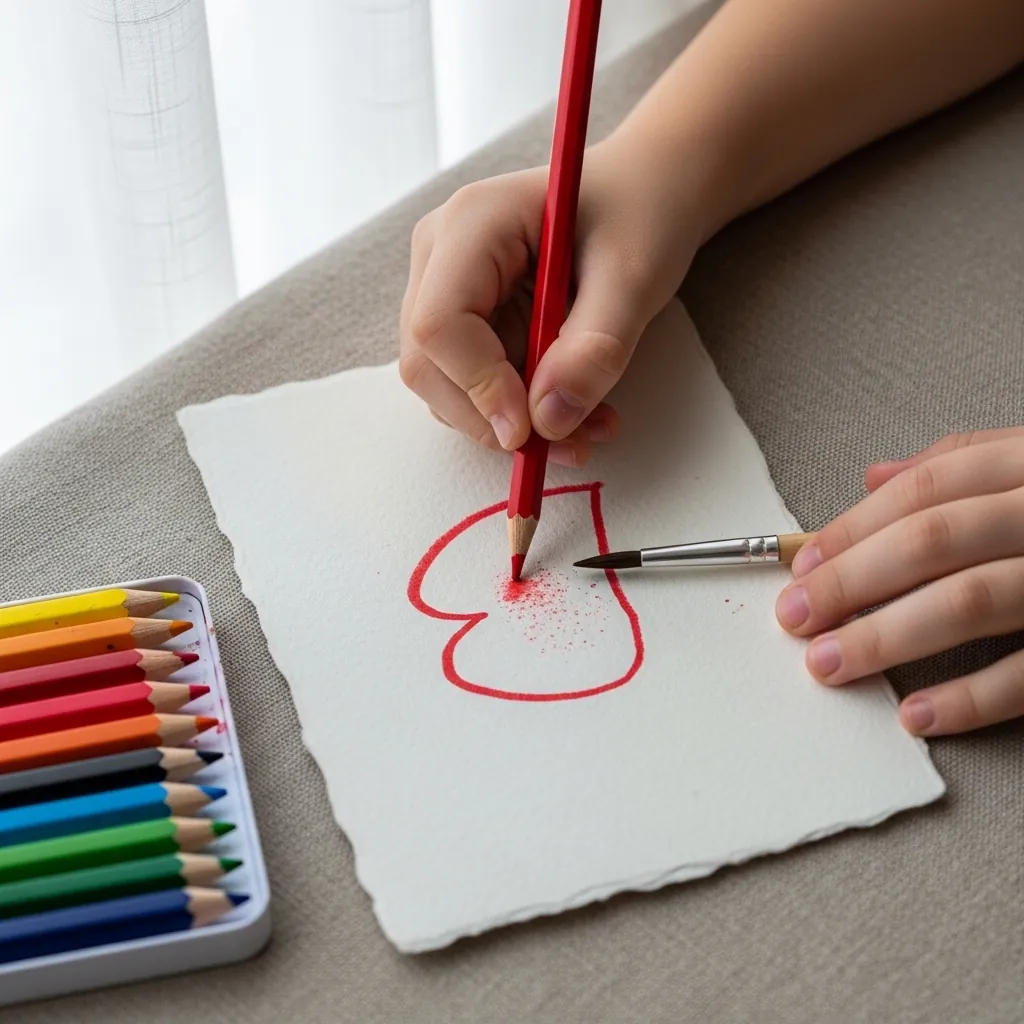
Stippling is dots doing the job of shading. Crowd them tightly around the bottom point and let them thin out toward the top, so the heart looks shaded without a single drawn line. Keep every dot the same size and tap the pen rather than pressing it.
13. Brush Pen Heart
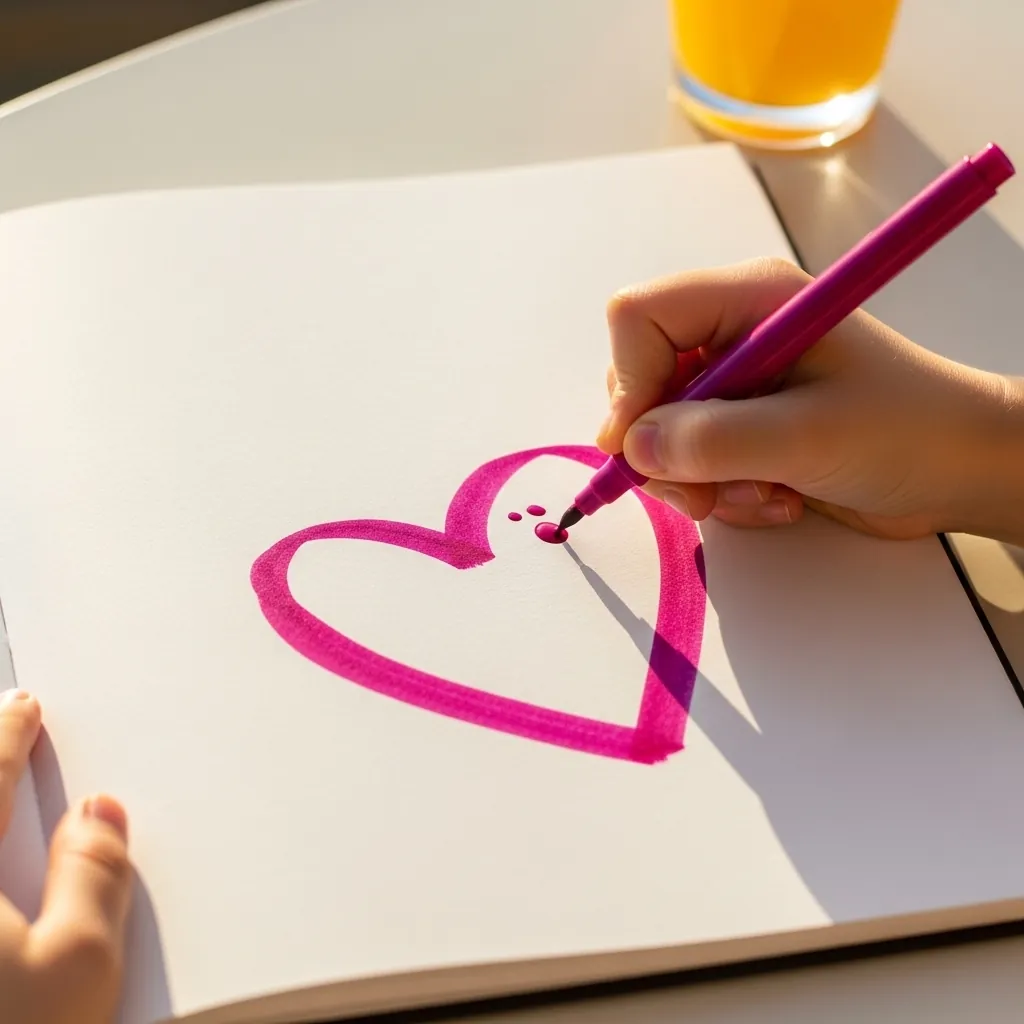
A brush pen gives a line that changes thickness as you press. Push down on the outer curves where the shape is widest and lift as you approach the point, and the heart gains weight without any filling at all; one clean pass is best.
14. Red Heart on Blue Paper
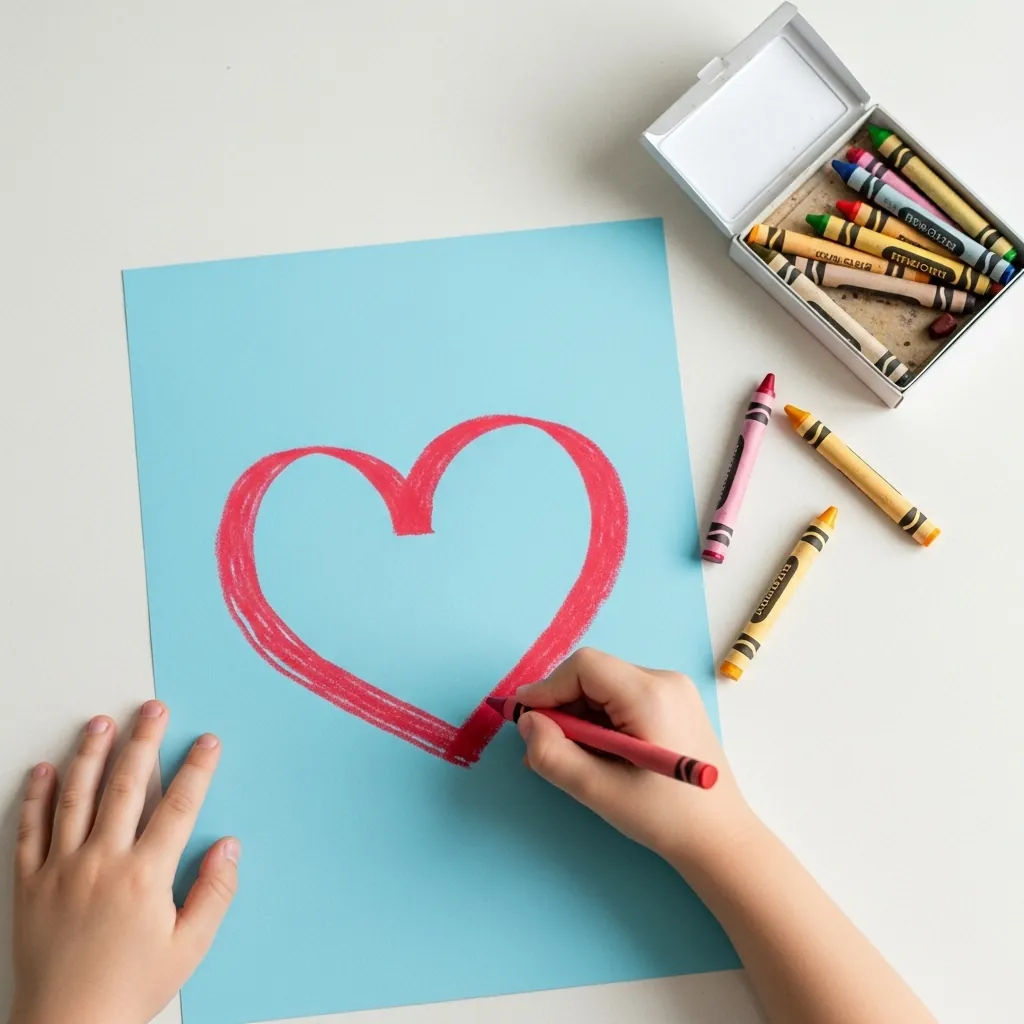
Red on blue is a genuine color clash, and that is exactly why it works. The two sit almost opposite each other on the color wheel, so both look more intense than they would alone; keep the heart bold and simple so nothing competes with the contrast.
15. Light Pencil Guide Heart
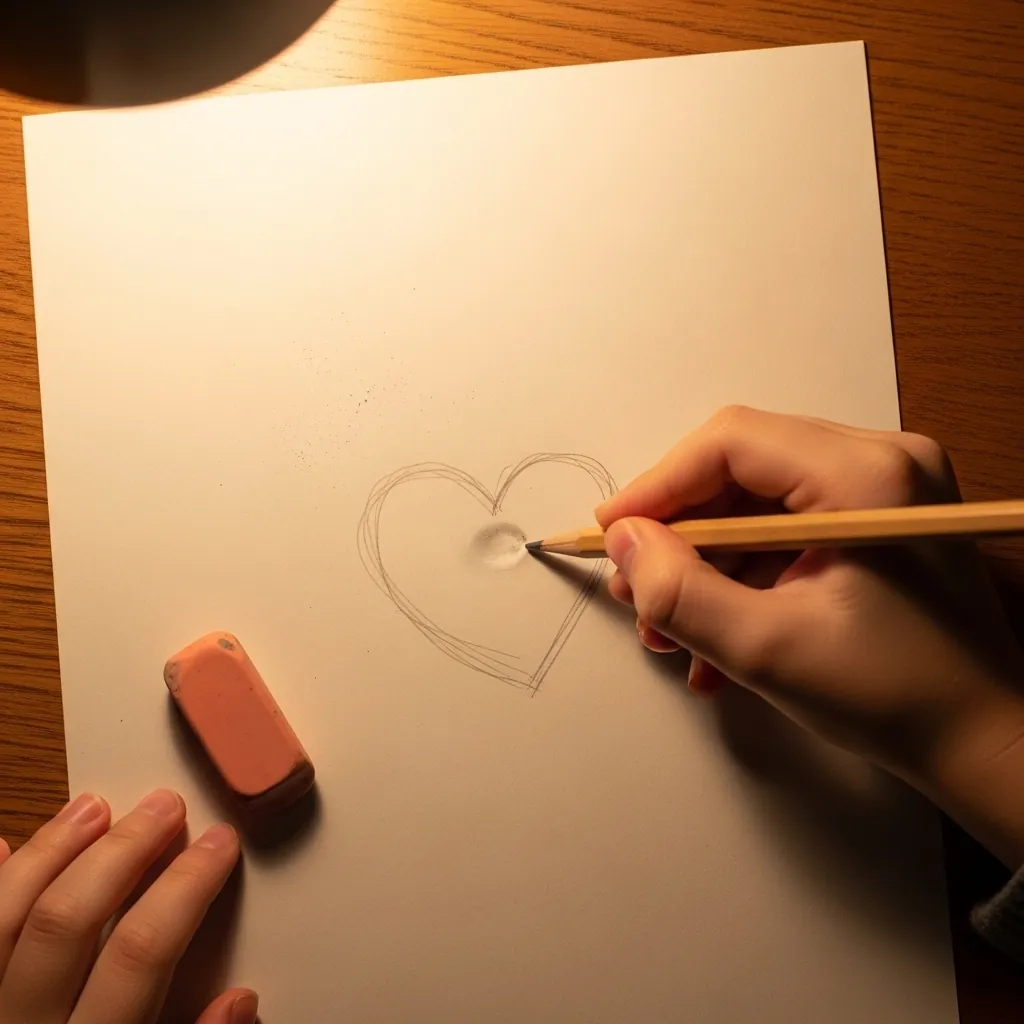
Guide lines are meant to be seen only by you. Hold the pencil further back than usual, keep the pressure light enough that the line barely shows, and get the shape right before any color goes near it. Erasing later then leaves no ghost.
16. Scribble-Filled Heart
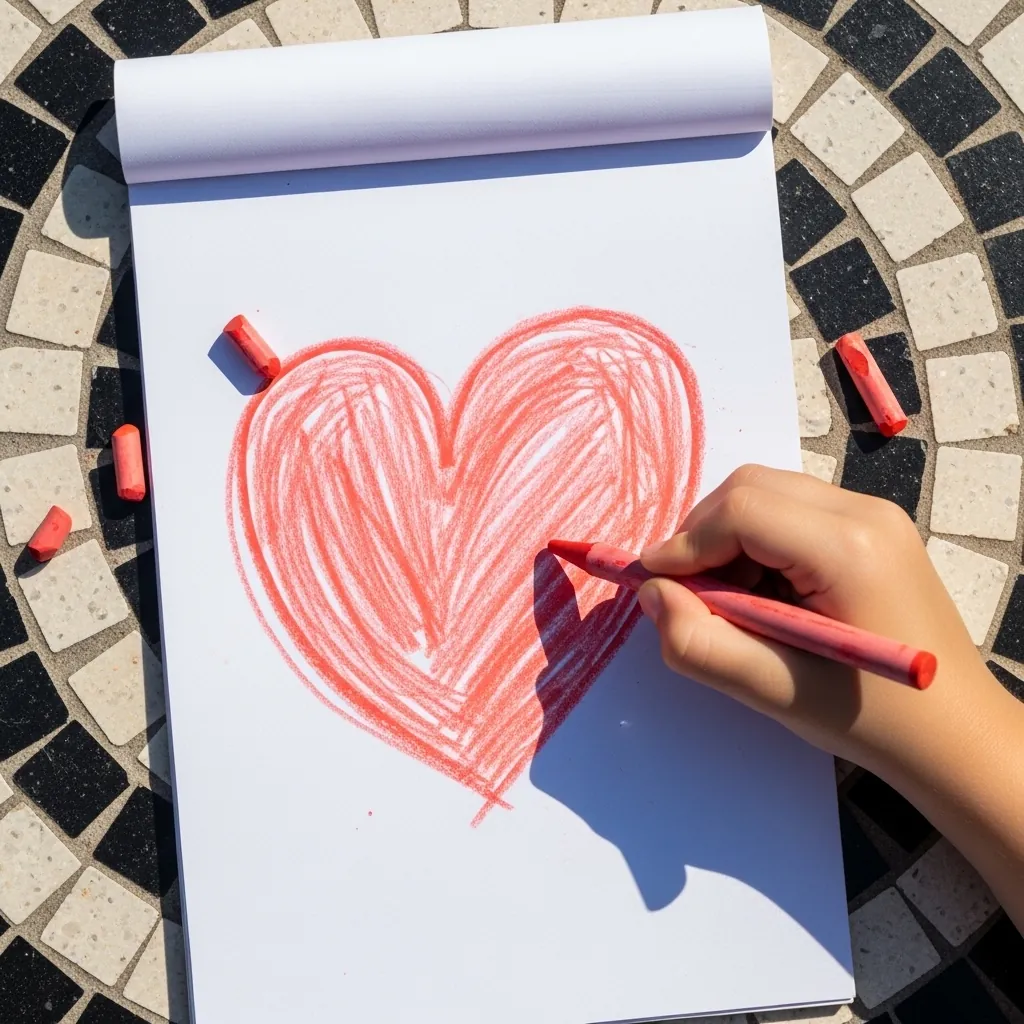
Loose scribble fill is fast and honest, and children do it naturally. Keep every stroke running the same way, let the strokes overshoot the outline slightly, and draw the outline over the top afterwards to tidy it; overshooting is what makes it look energetic.
17. Heart With a Watercolor Bloom
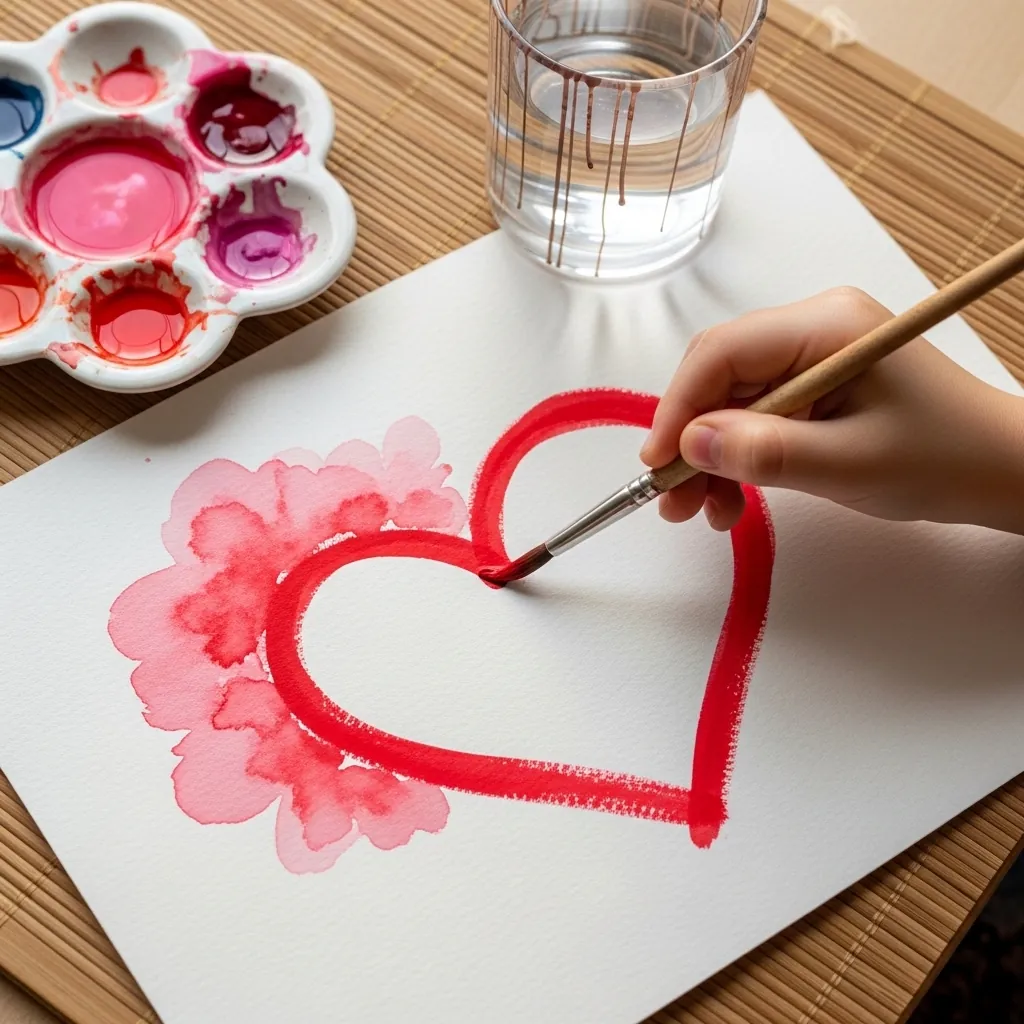
A bloom happens when clean water hits wet paint and pushes the pigment outward. Paint a patch of pink, drop a bead of water into it while it is still shiny, and leave it completely alone. Touching it destroys the effect immediately.
18. Warm Orange Crayon Heart
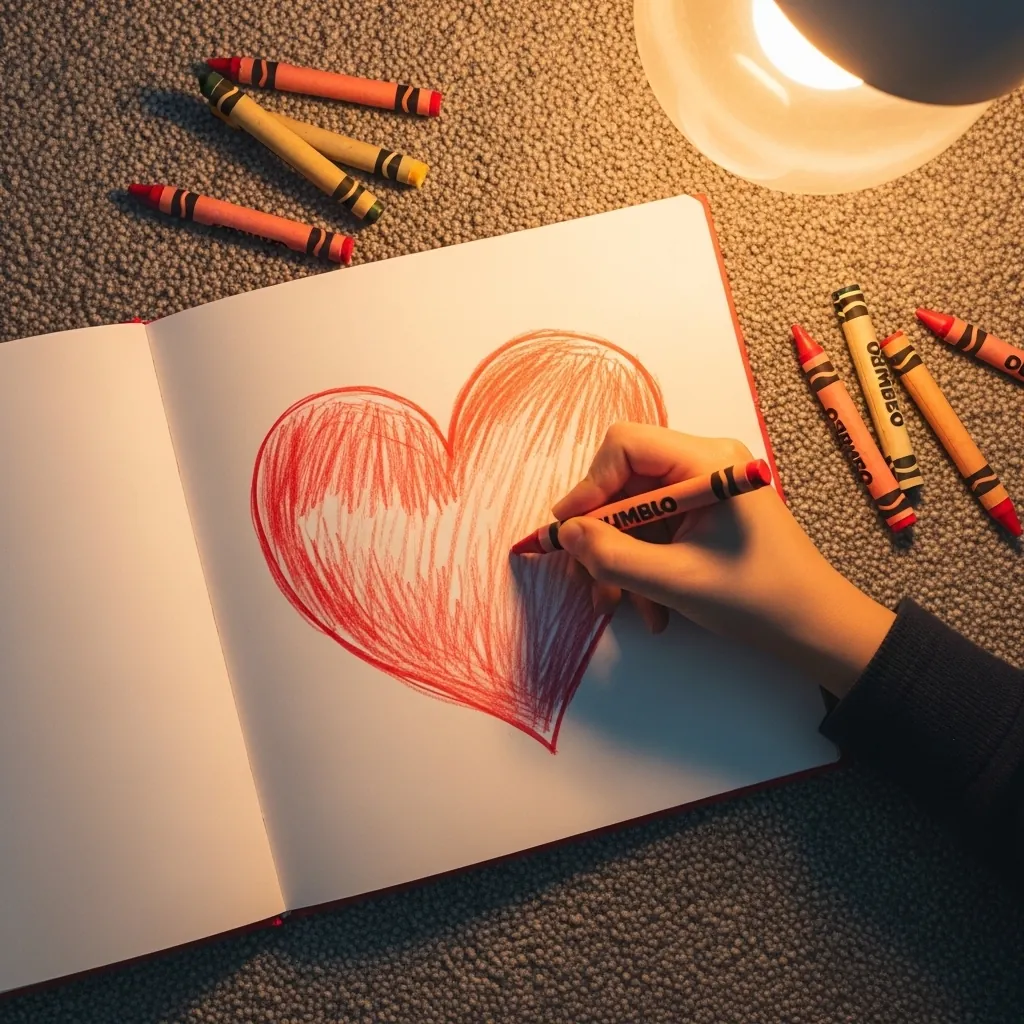
Two warm colors layered give more depth than one. Lay orange over the whole heart first, then go over the edges in red pressing harder, and the middle stays glowing while the outside darkens; wax layers best when the lighter color goes down first.
19. Thin Line Double Heart
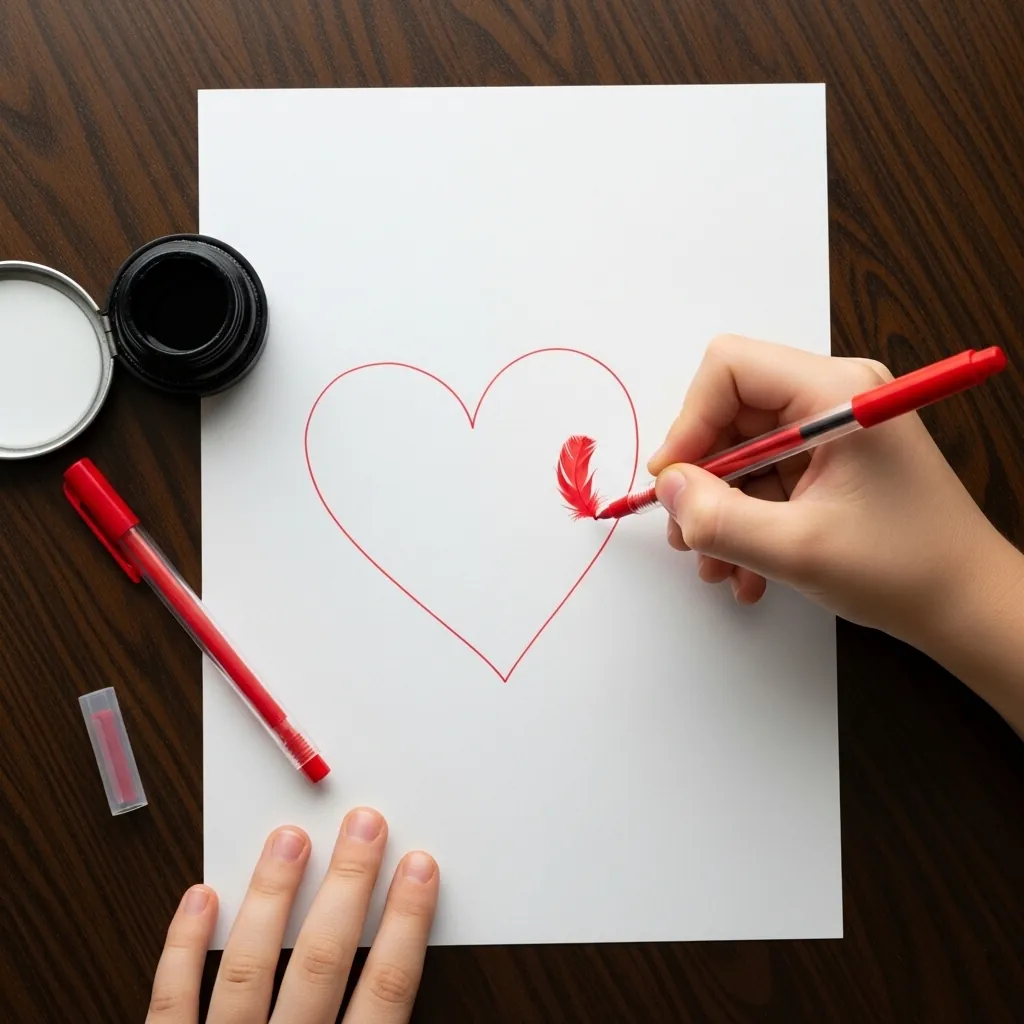
A fine line looks best when there is very little of it. Draw one heart, then a second inside it about a finger’s width in, and add nothing else on the page; empty paper around a small drawing is a deliberate choice.
20. Pastel Heart on Gray
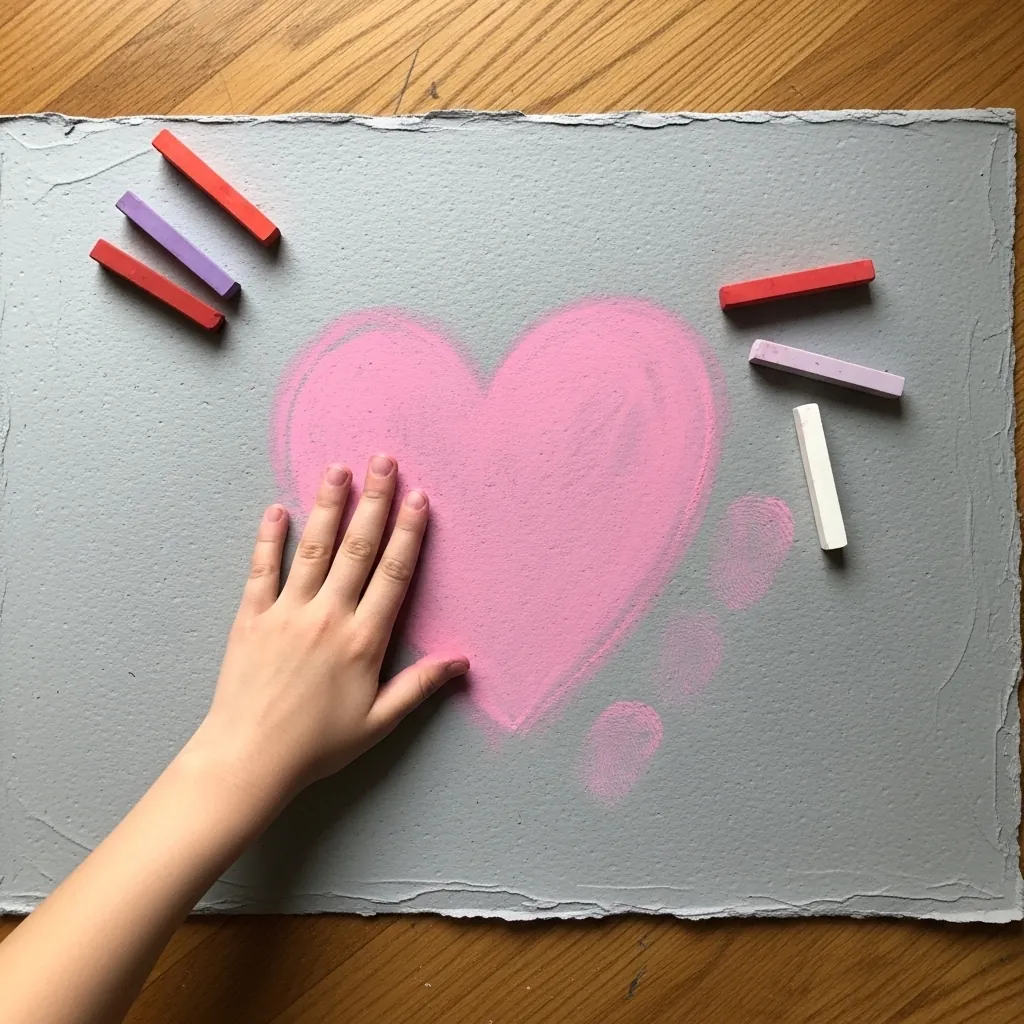
Gray paper gives the pastel something to sit against. Block the heart in with the side of the pastel rather than the tip, keep the edges soft, and add a brighter pink along the top left only. The gray shows through as shadow.
21. Watercolor Heart With Dots
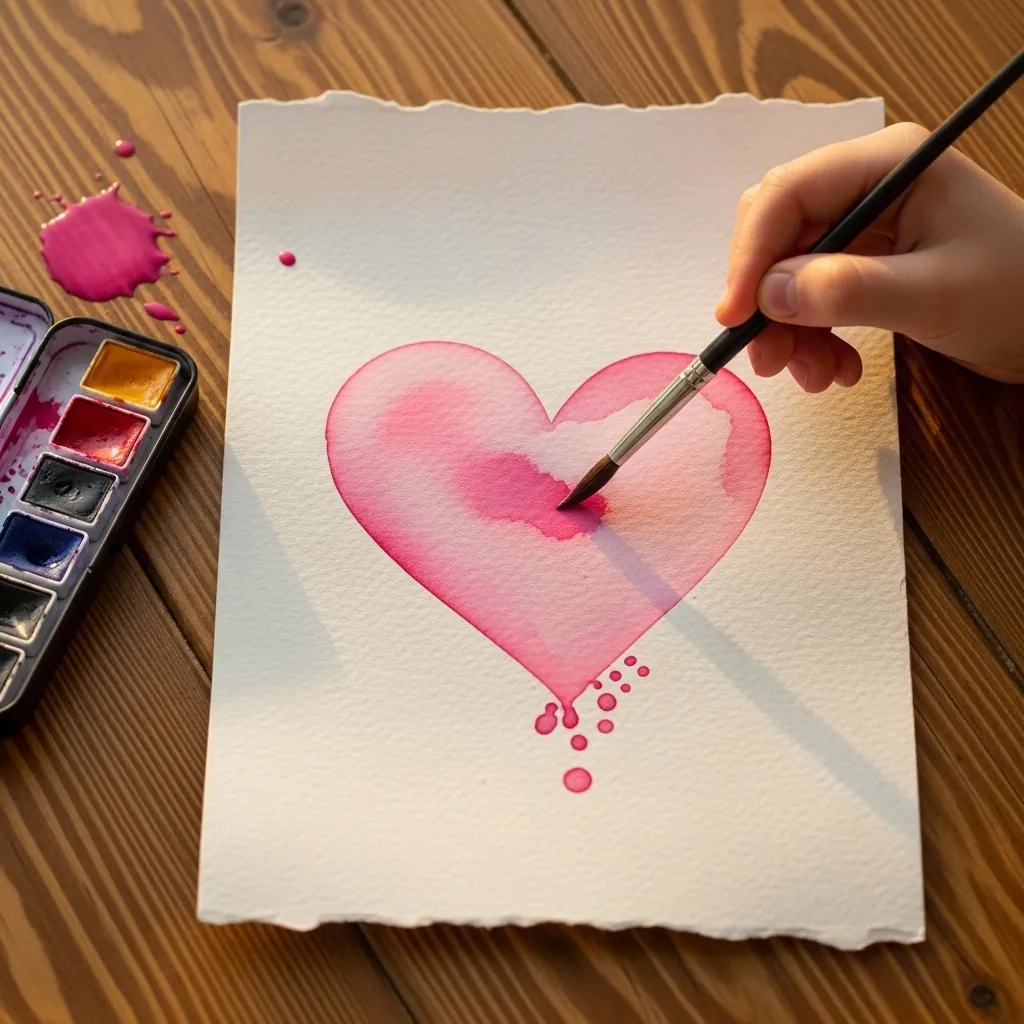
Wet paint on damp paper spreads on its own. Wet the heart shape with clean water first, then touch pink into the middle and let it travel to the edges by itself. The scattered dots underneath go on once everything is dry.
22. Nested Hearts
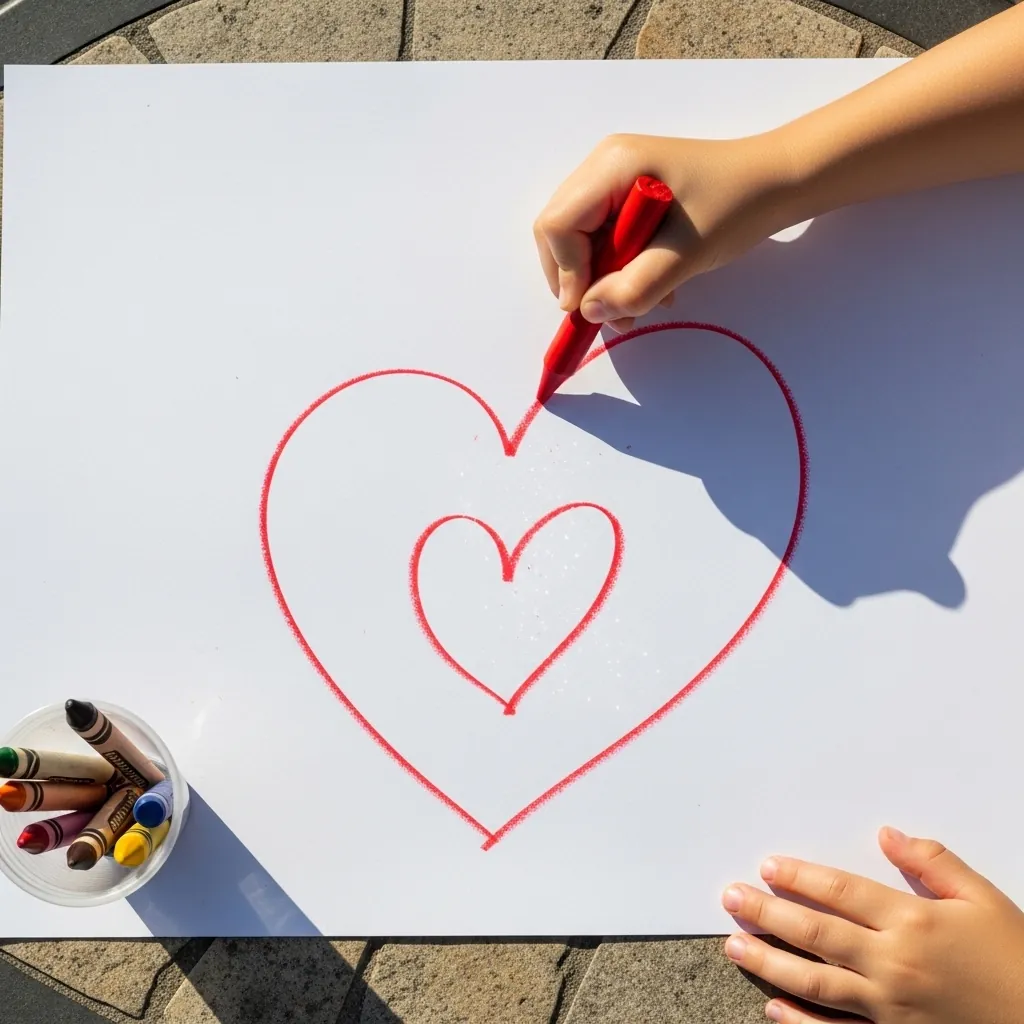
Two hearts of different sizes read as one design rather than two drawings. Center the small one carefully inside the large one, keep the gap wider at the sides than at the top, and use the same line weight for both; symmetry matters more here than anywhere.
23. Hatched Shading Heart
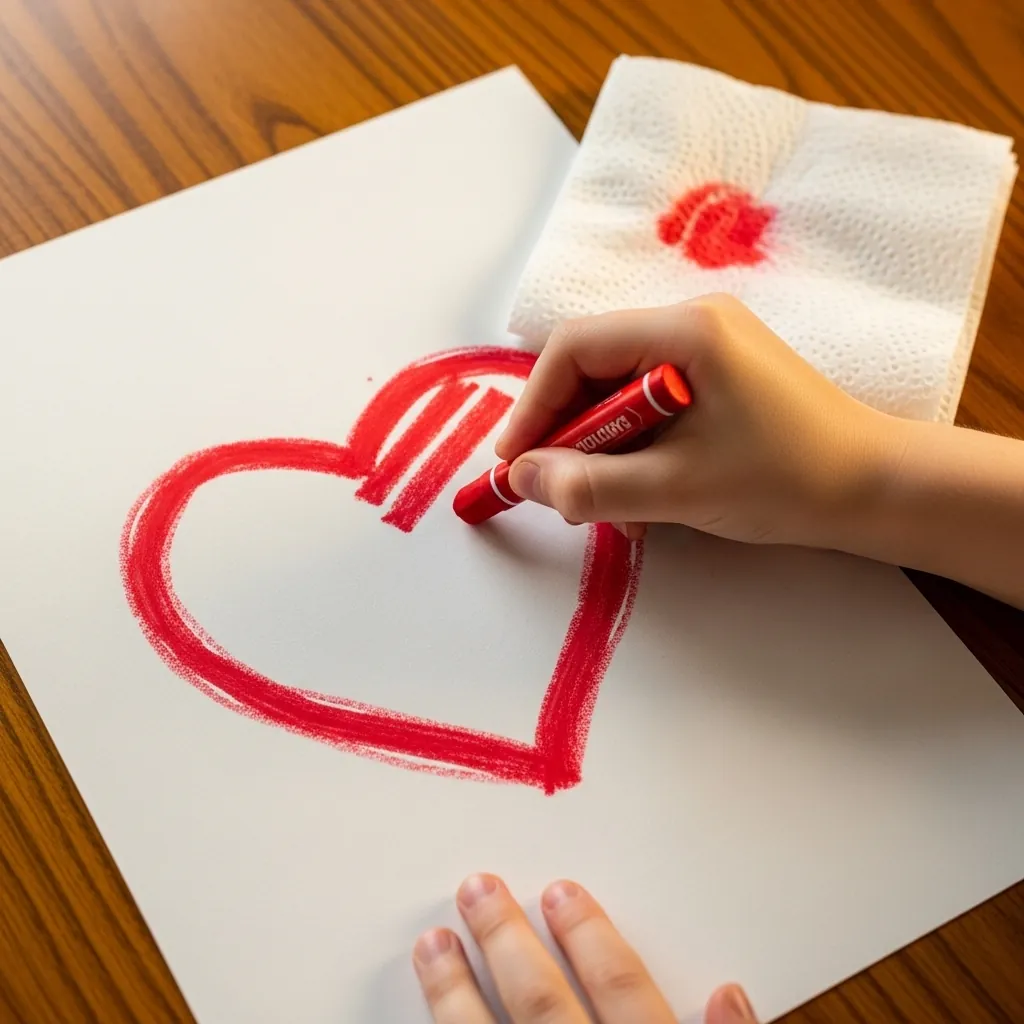
Hatching is straight parallel lines used as shading. Angle every line the same way at about forty five degrees, pack them tightly at the bottom and space them out toward the top, and never cross them. Crossing turns hatching into crosshatching, which is much darker.
24. Tiny Heart on Lined Paper
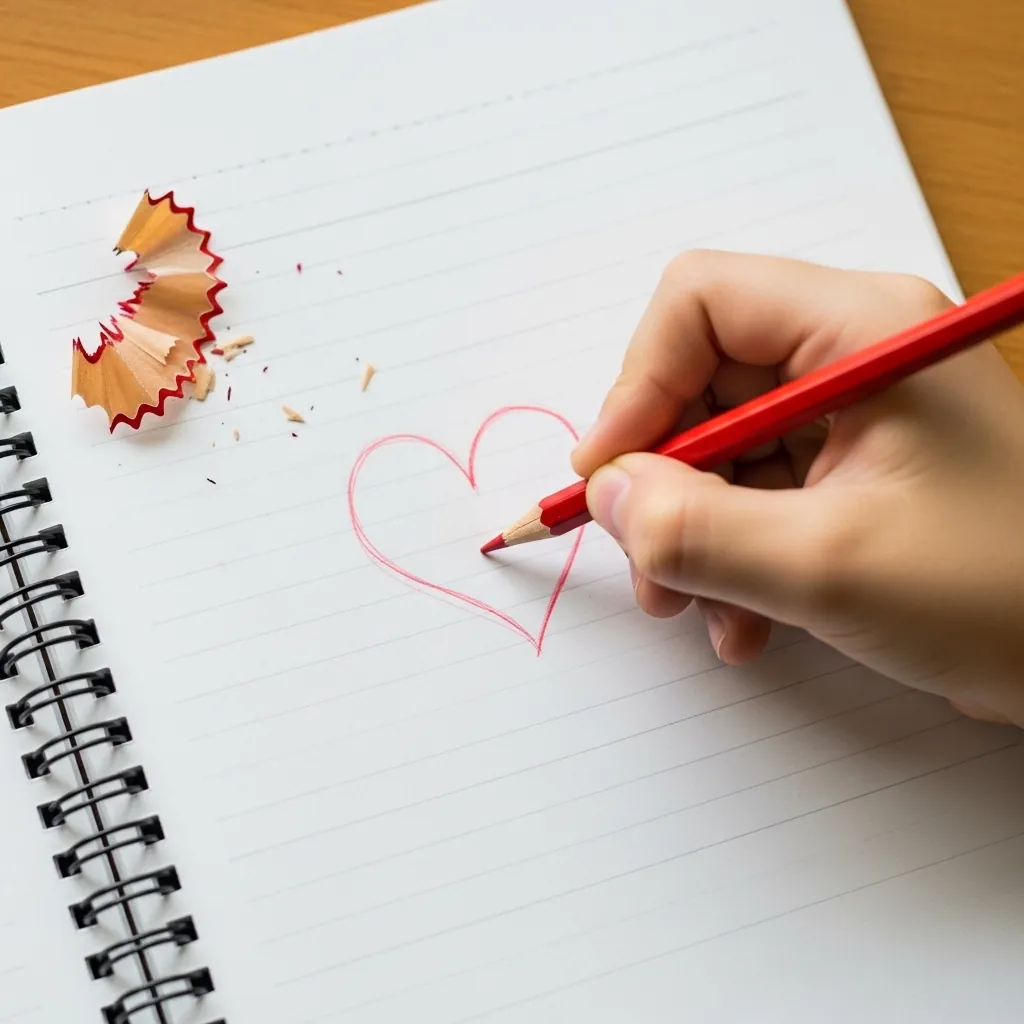
Lined paper is a hidden advantage. Use one printed line as the widest part of the heart and another as the point, so the proportions are set before you start; small hearts go wrong when there is nothing to measure them against.
25. Heart With a Ribbon Tail
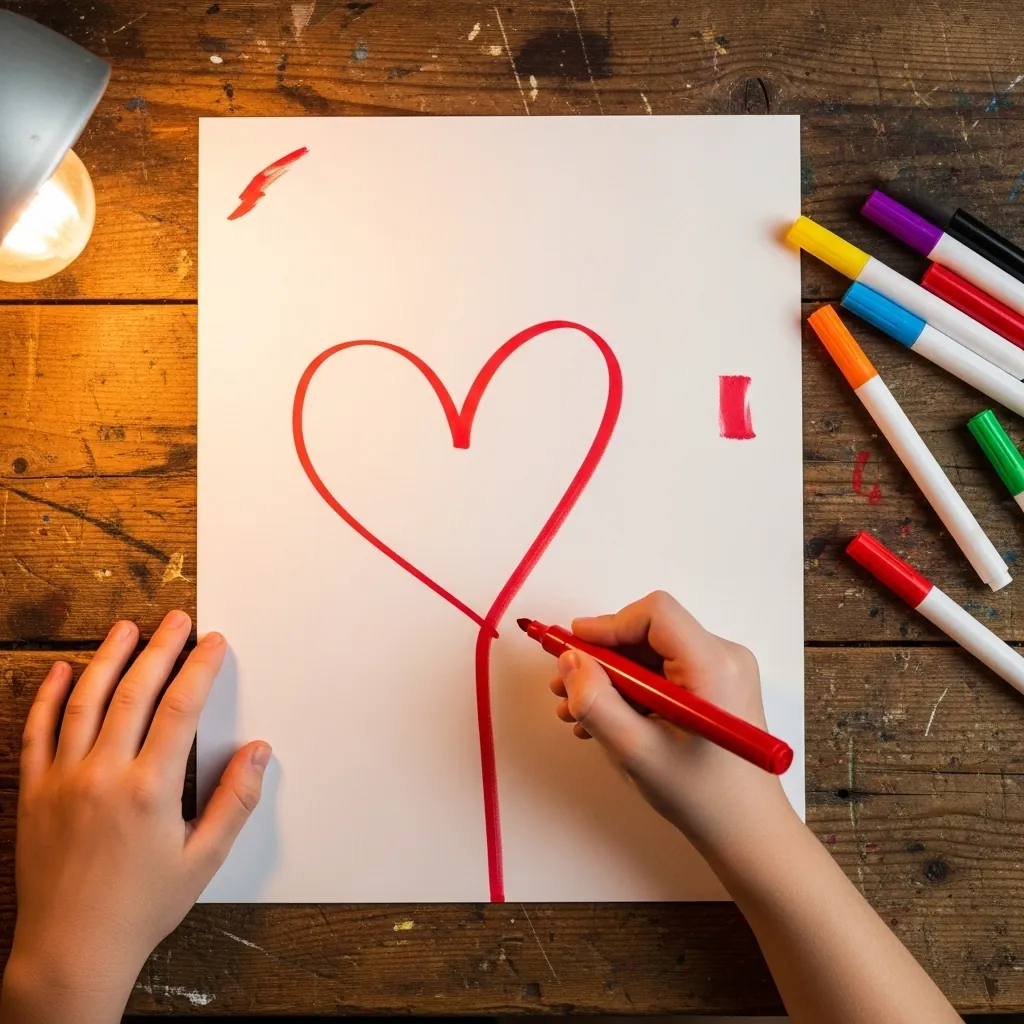
A trailing line turns a static shape into something floating. Run it down from the point in a long lazy S, let it get thinner as it goes, and finish with a small curl; keep the tail longer than the heart is tall.
26. Heart With Two Leaves
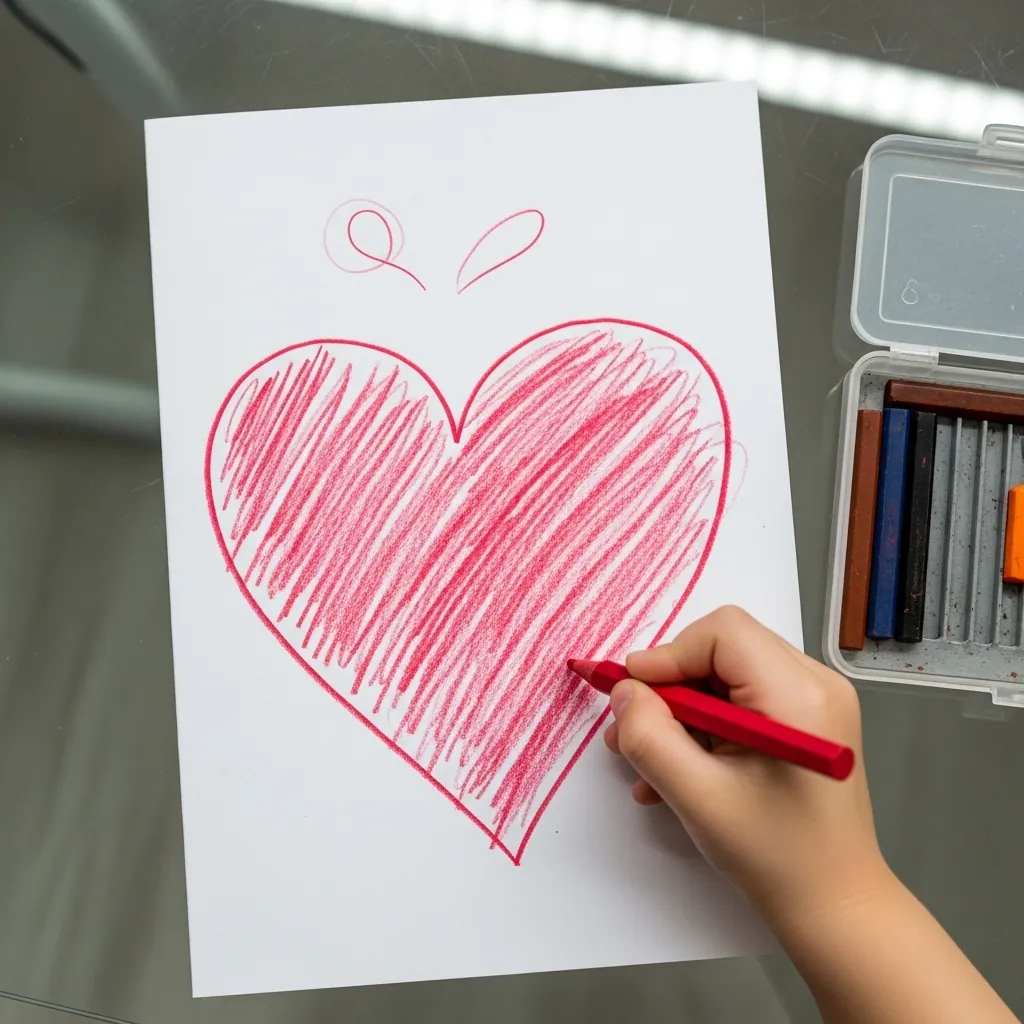
Two leaves at the top turn the heart into something growing. Angle them apart in a V rather than straight up, make one slightly longer than the other, and add a center vein to each. Asymmetry here looks natural rather than careless.
27. Layered Watercolor Heart
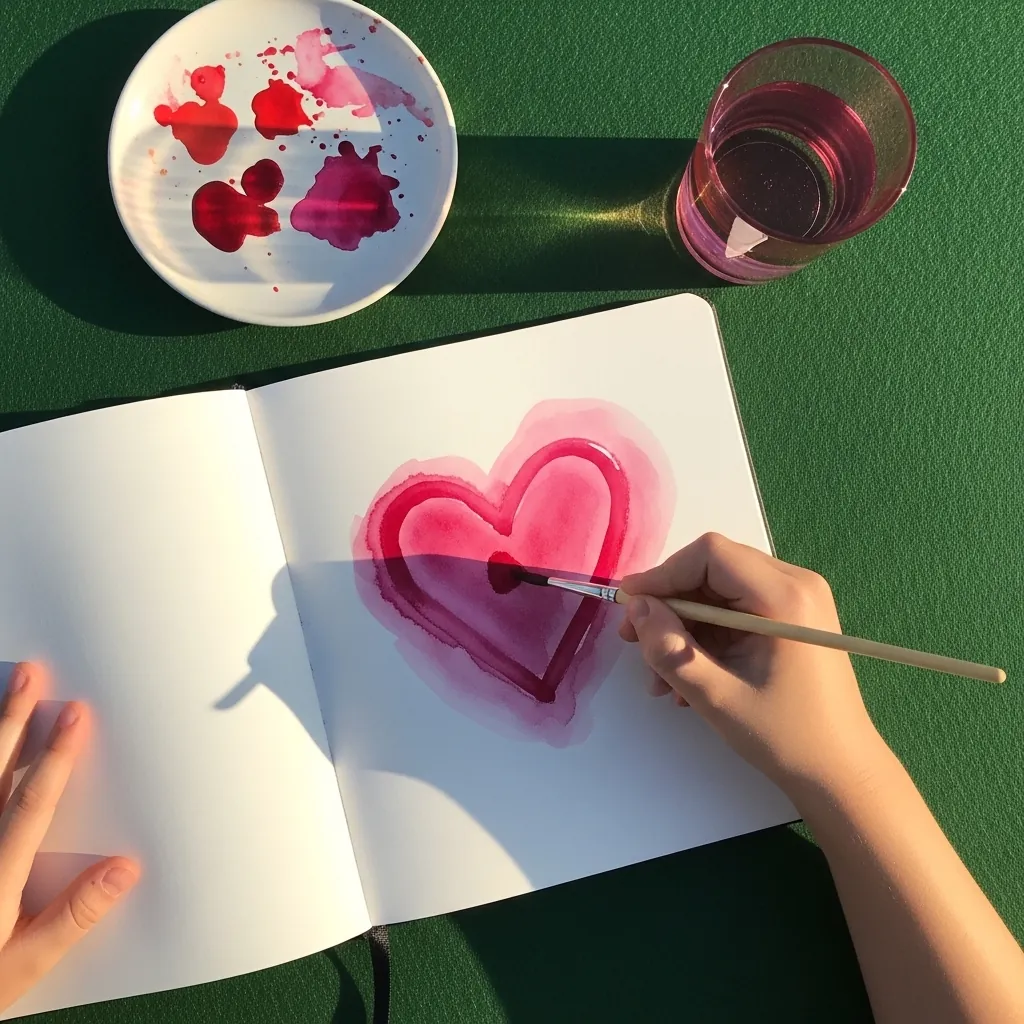
Watercolor builds up in transparent layers, so each one must dry first. Paint the whole heart pale pink, let it dry completely, then paint a smaller heart inside in the same color, and repeat once more. The center ends up darkest without any mixing.
28. Chalk Heart on Black
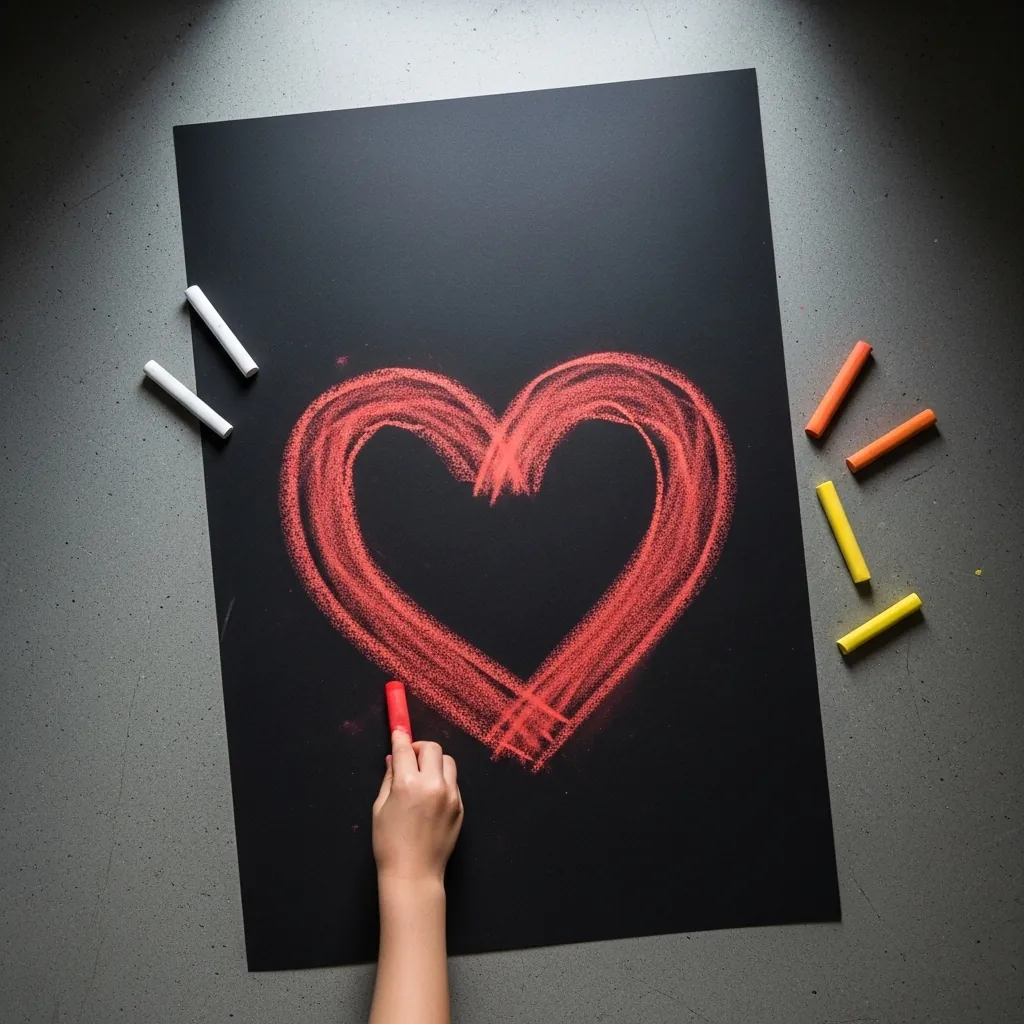
Black paper makes chalk glow. Draw the outline thickly so it reads clearly, leave the inside completely black, and resist filling it because the empty middle is what gives the drawing its punch; add a second fainter outline outside the first.
29. Diagonal Pencil Fill
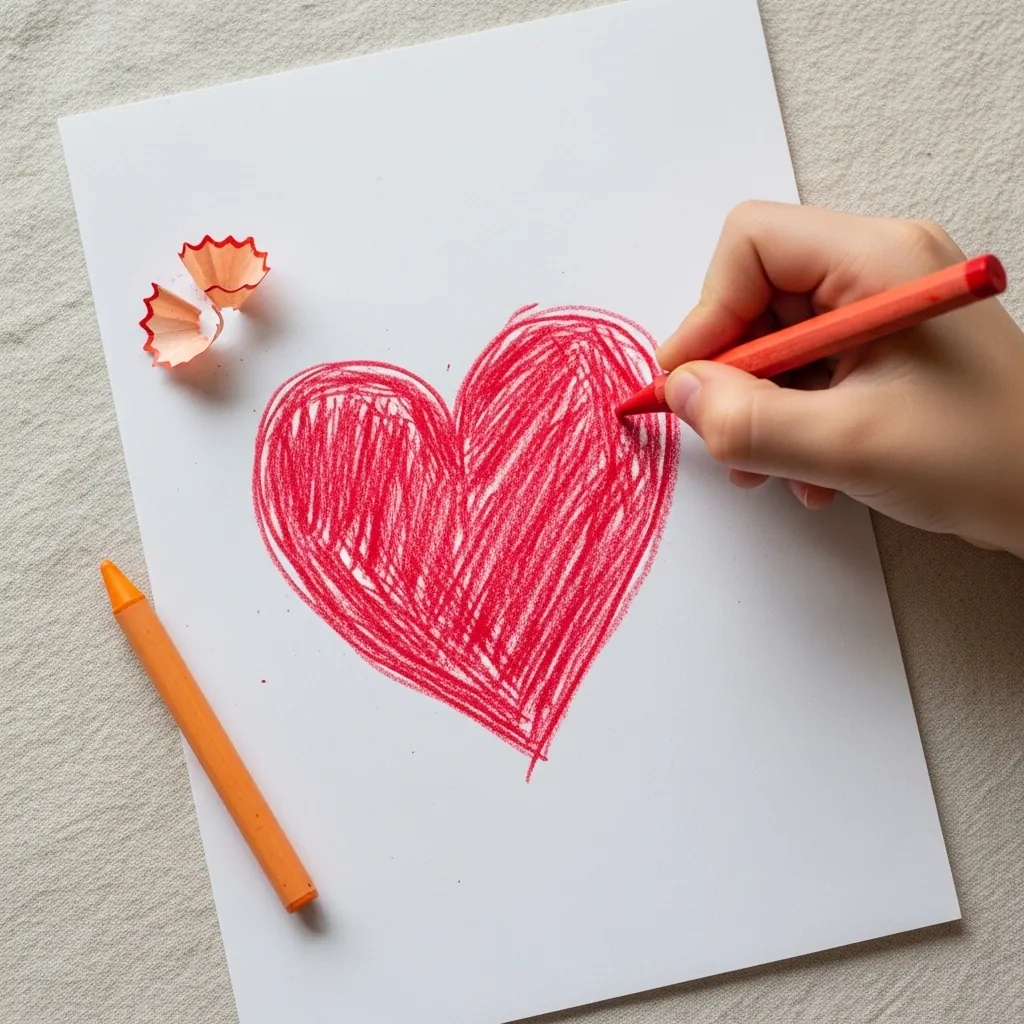
Diagonal fill suits a heart because the shape has no straight edges of its own. Run every stroke at the same slant, let them stop cleanly at the outline rather than overshooting, and press harder at the bottom. The slant stops the fill looking flat.
30. Splattered Paint Heart
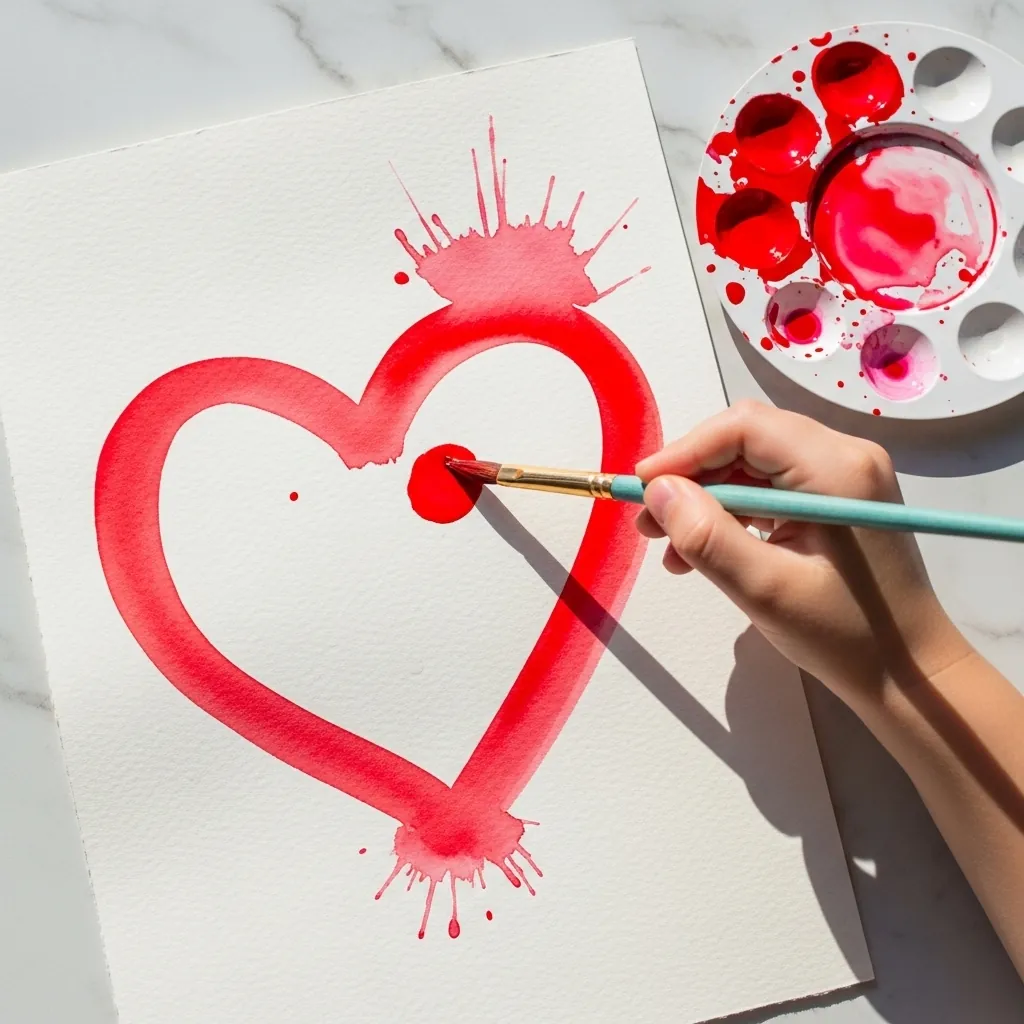
Splatter belongs outside the shape, not on it. Paint and dry the heart first, cover it with a scrap of paper, then flick the brush from a distance so the drops land around it; lift the scrap and the heart stays clean.
31. Fine Gel Pen Heart
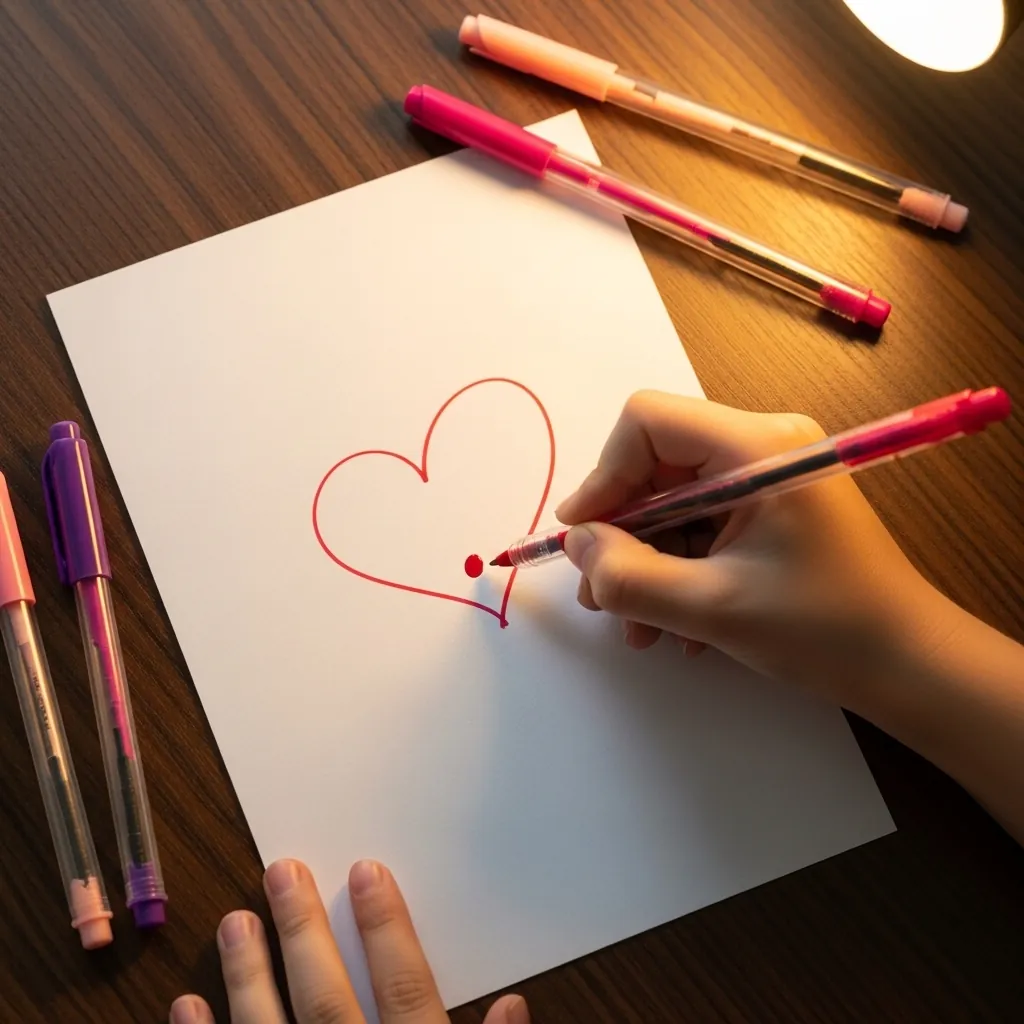
Gel pens lay down a lot of ink, so give it time. Draw the outline in one steady pass, then wait a moment before your hand crosses the page, because the line stays wet longer than a felt tip; smudging is the only real risk here.
32. Polka Dot Heart
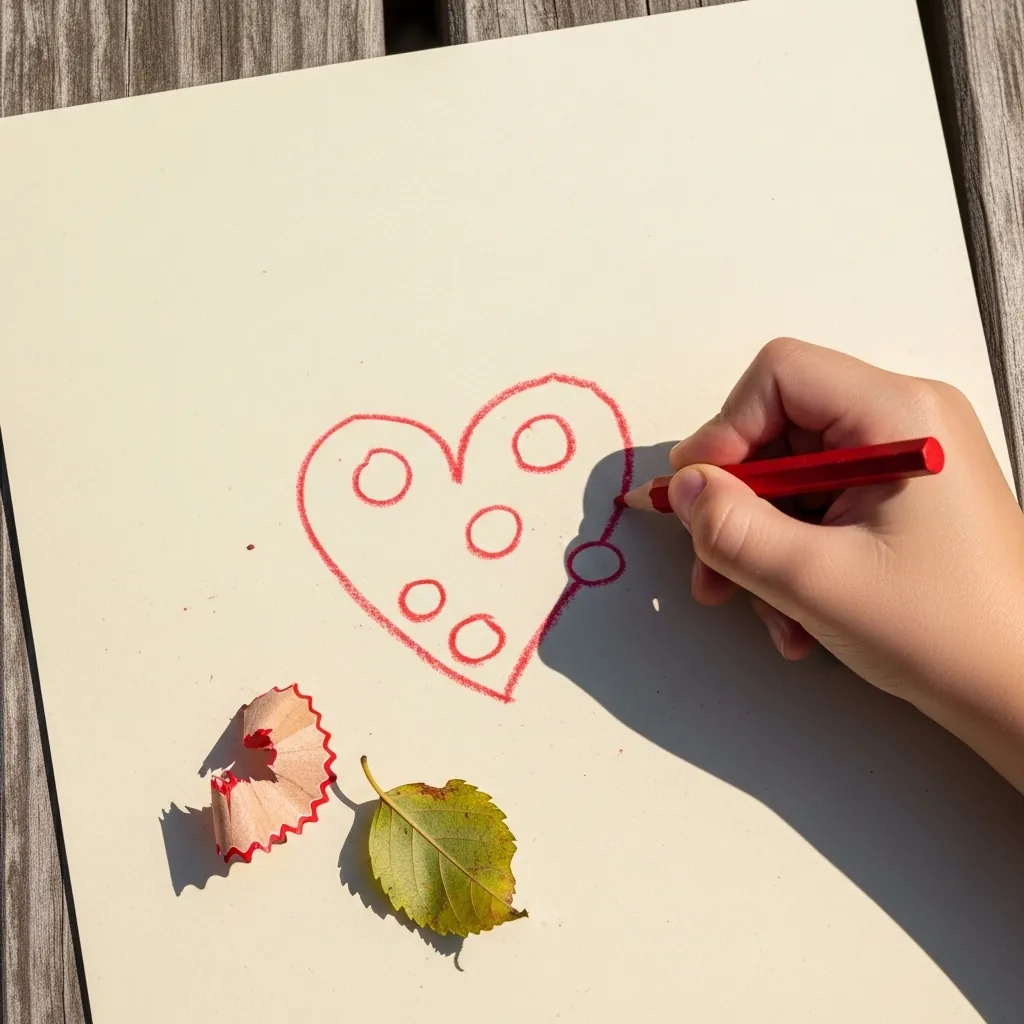
Circles inside a shape should vary in size or they look like a grid. Draw three or four large ones first, spaced unevenly, then fill the gaps with smaller ones; let a couple run off the edge of the heart so the pattern feels continuous.
33. Simple Wide Heart
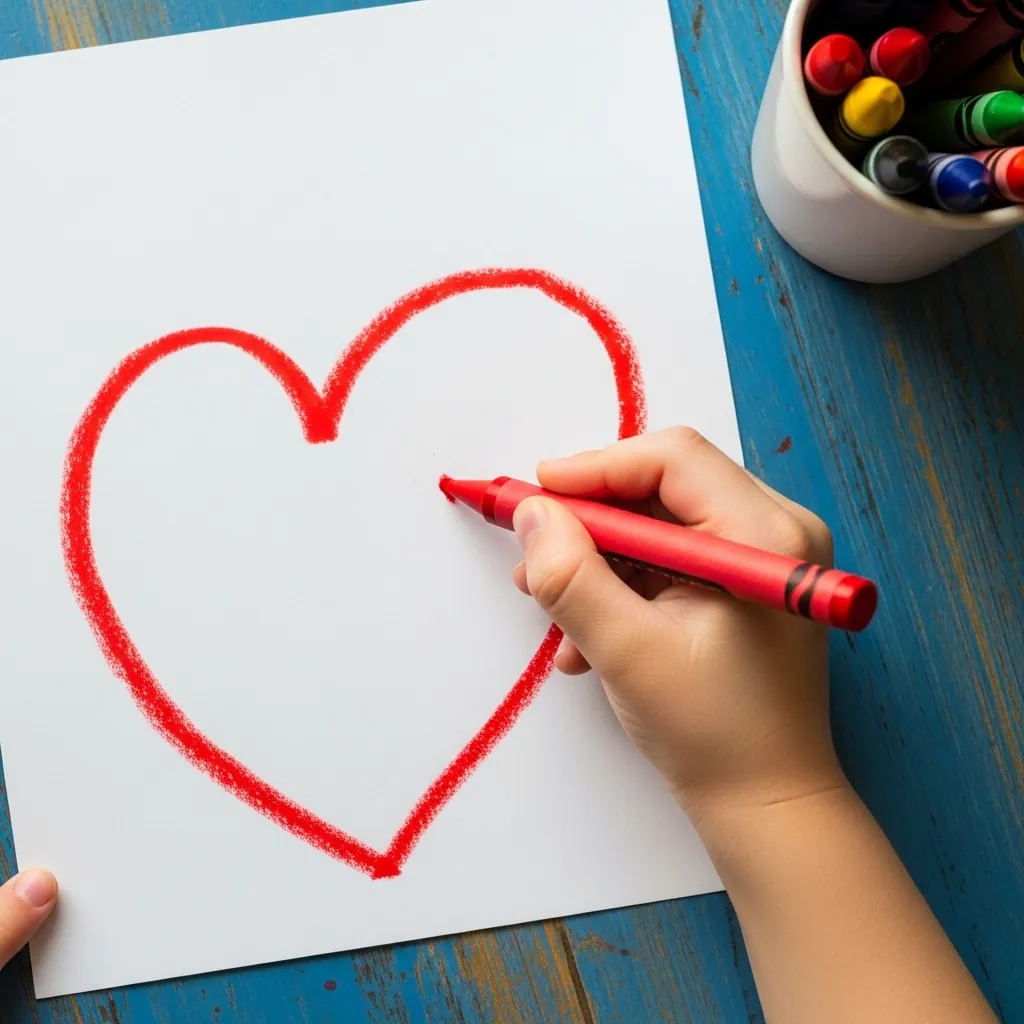
A wide heart reads as friendlier than a tall one. Spread the two bumps further apart than feels correct, shorten the drop to the point, and keep the line thick throughout. Proportion changes the mood of the shape more than color does.
34. Gradient Watercolor Heart
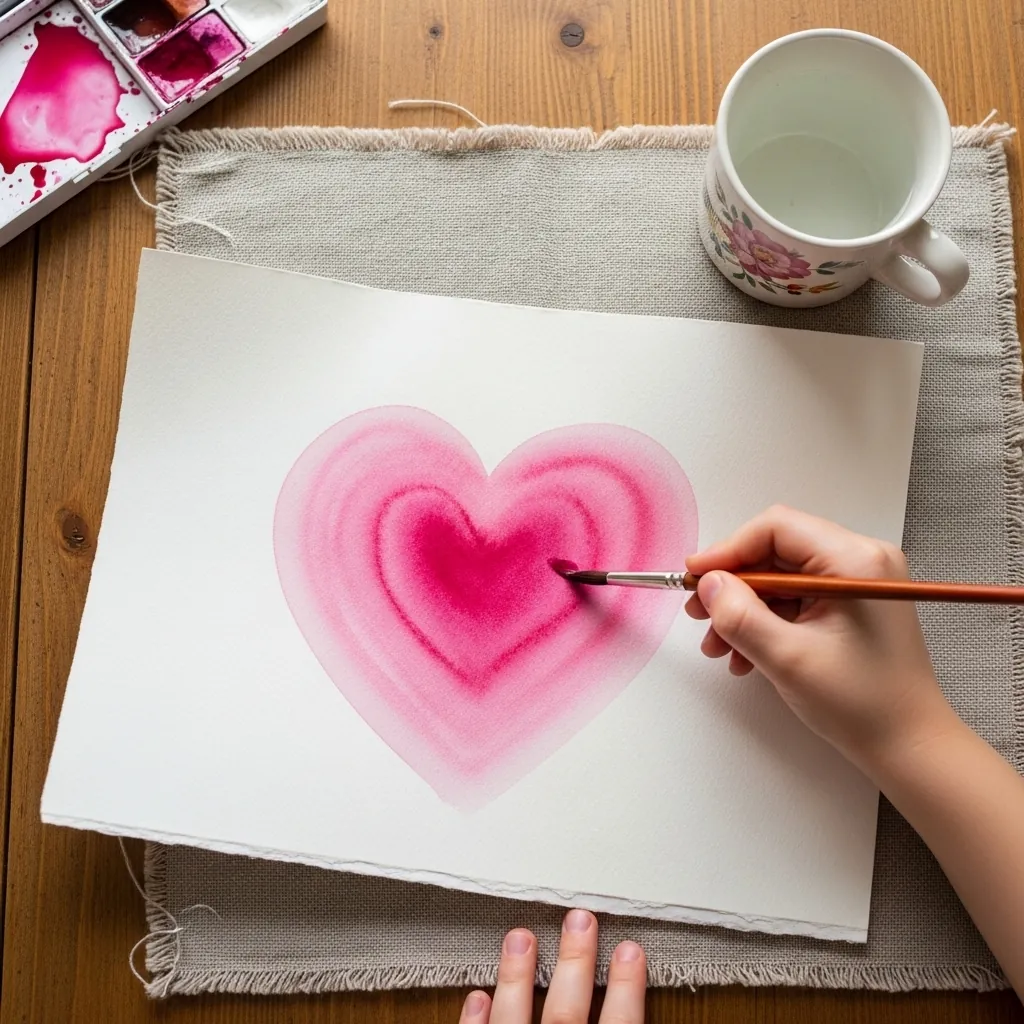
A gradient is one wash that gets weaker as it travels. Start at the bottom with strong color and keep adding water to the brush as you work upward, never lifting the brush from the wet edge; stopping partway leaves a hard line.
35. Sketchy Multi-Line Heart
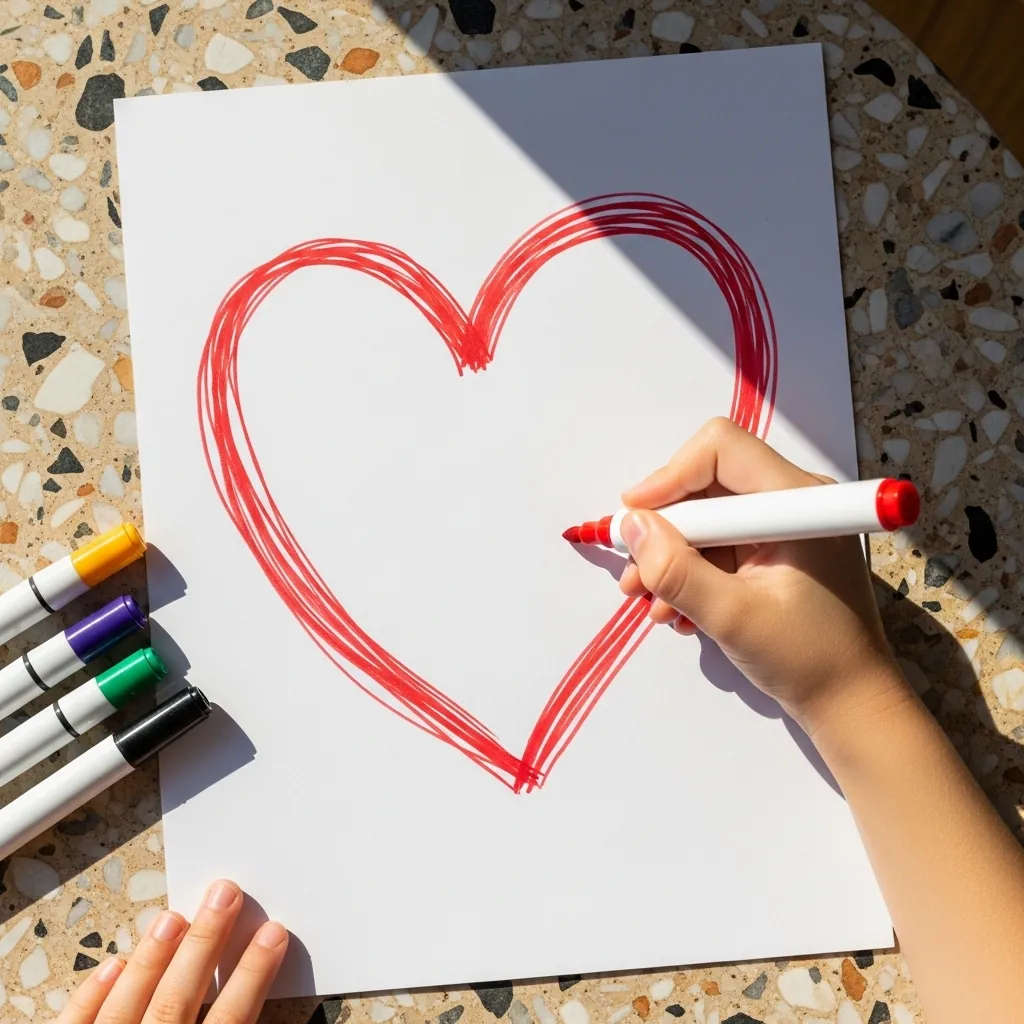
Drawing the outline several times over is a real technique, not a mistake. Go round the shape three or four times letting each pass wander slightly off the last, and the accumulated lines read as energy. Do not try to make them match.
36. Pastel Heart on Card
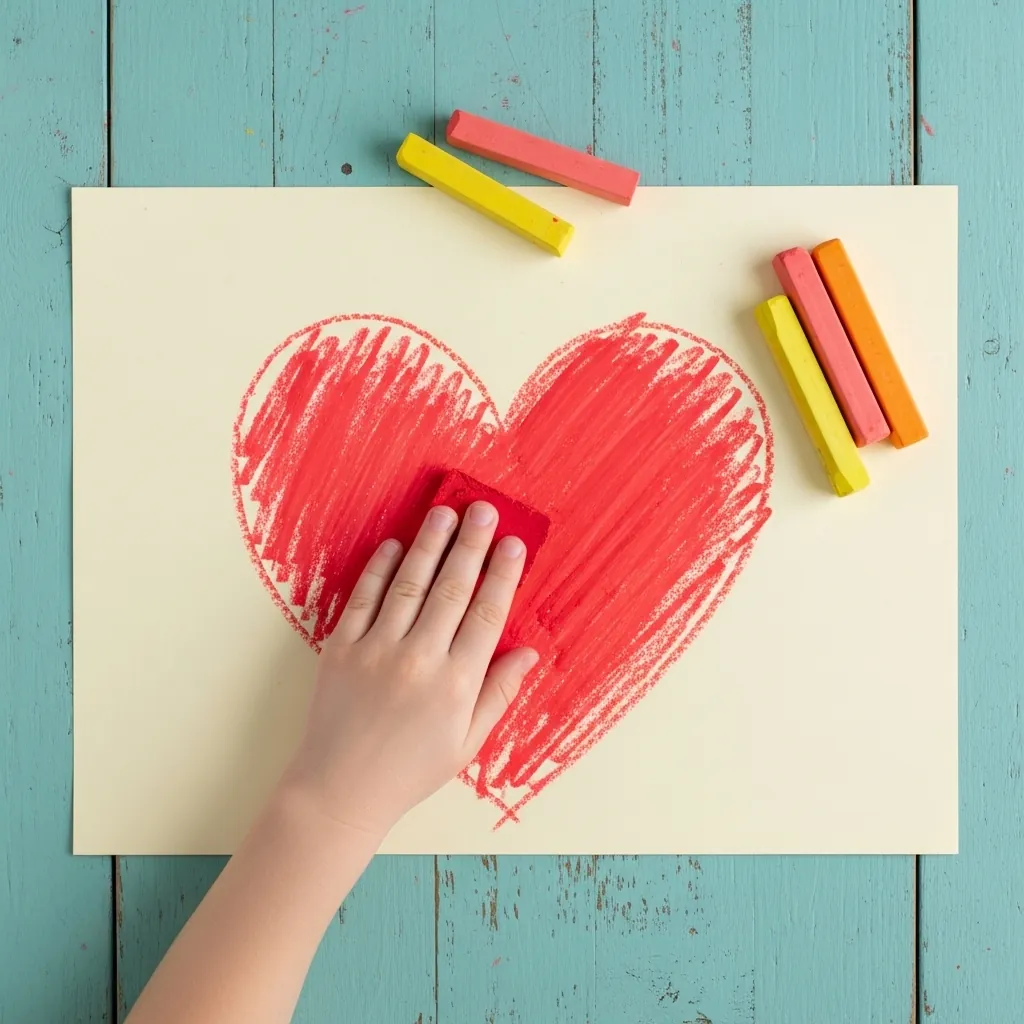
Card takes more pressure than paper, which suits pastel. Block the color in with the flat side of the stick, work it into the surface with a fingertip, and lift the highlights back out with a corner of an eraser. Fix it with hairspray if it must last.
37. Concentric Ripple Heart
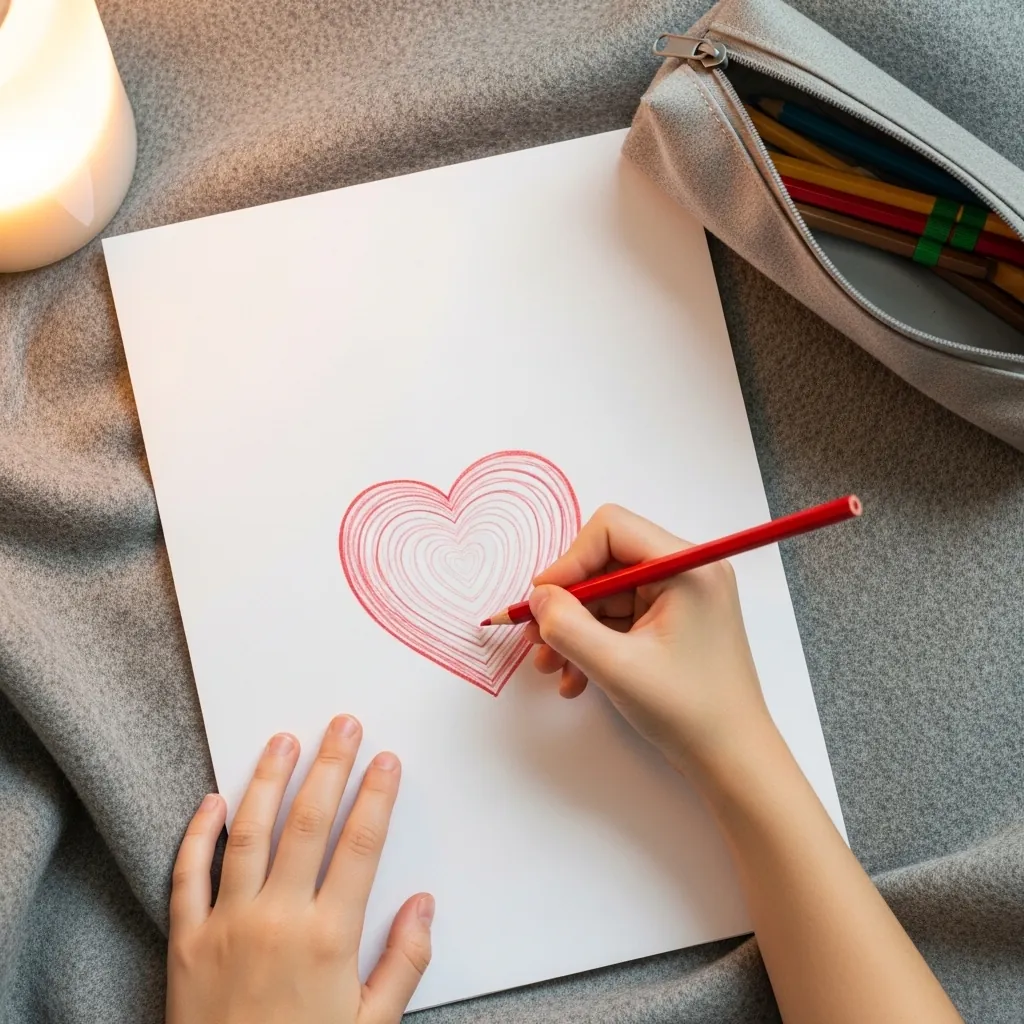
Repeating the outline outward turns one heart into a pattern. Draw the smallest heart in the center, then keep going round it with equal gaps, and let the outer rings run off the paper; the gaps matter more than the shapes.
38. Double Outline Heart
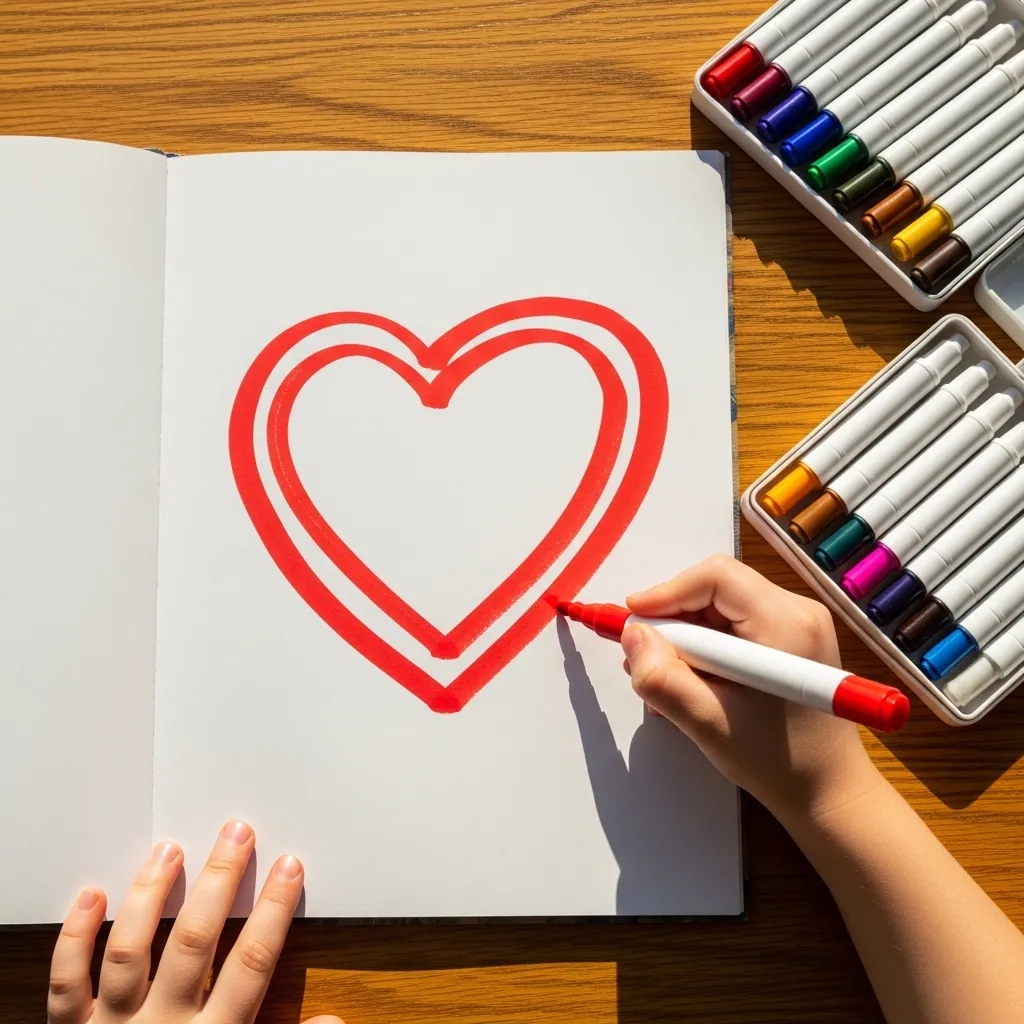
A second outline is the quickest way to make a shape look bold. Draw the heart, then trace round the outside about two millimeters away, and keep the gap perfectly even including at the point. That even gap is what makes it look printed.
39. Bubble Pattern Heart
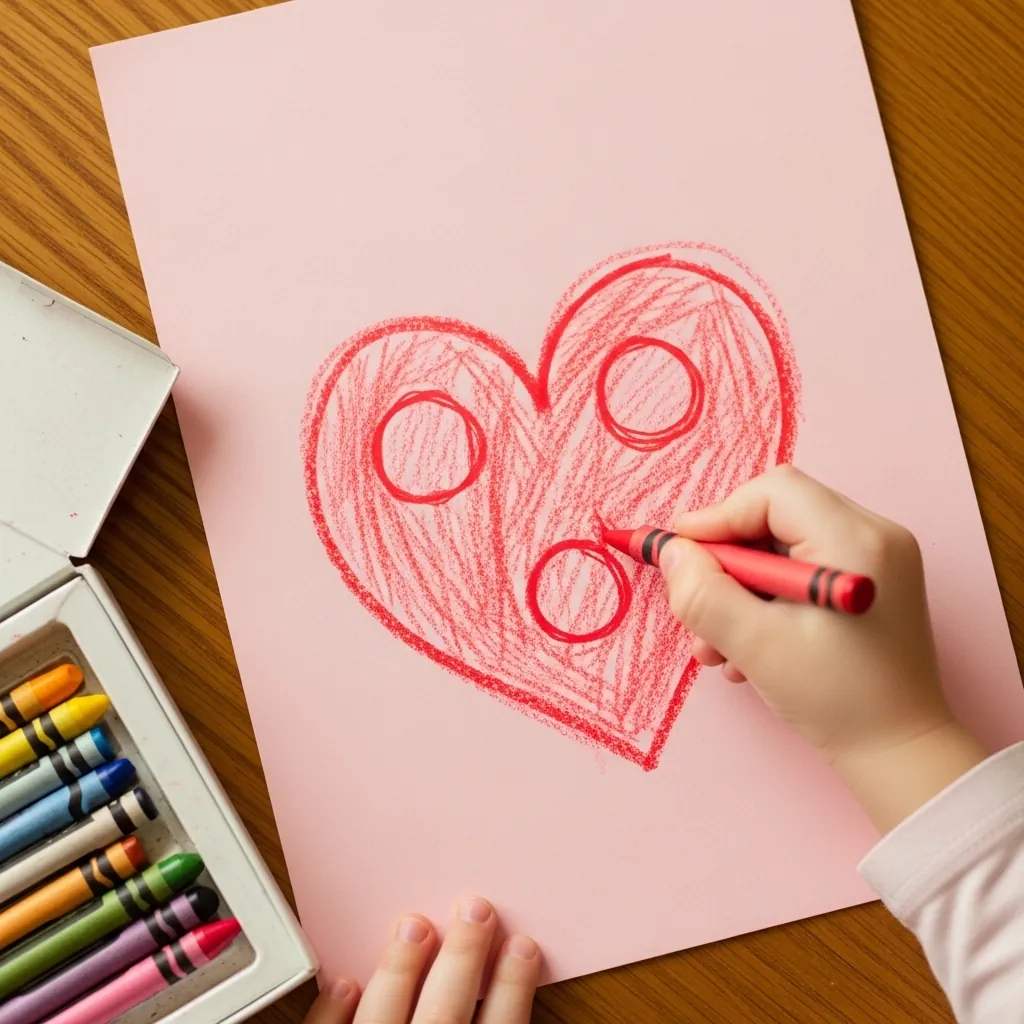
Bubbles look best when they overlap. Draw the biggest ones first and let the smaller ones cross their edges, leaving a white crescent inside each for shine, and cluster them toward one side rather than spreading them evenly. Empty space reads as glass.
40. Soft-Edged Paint Heart
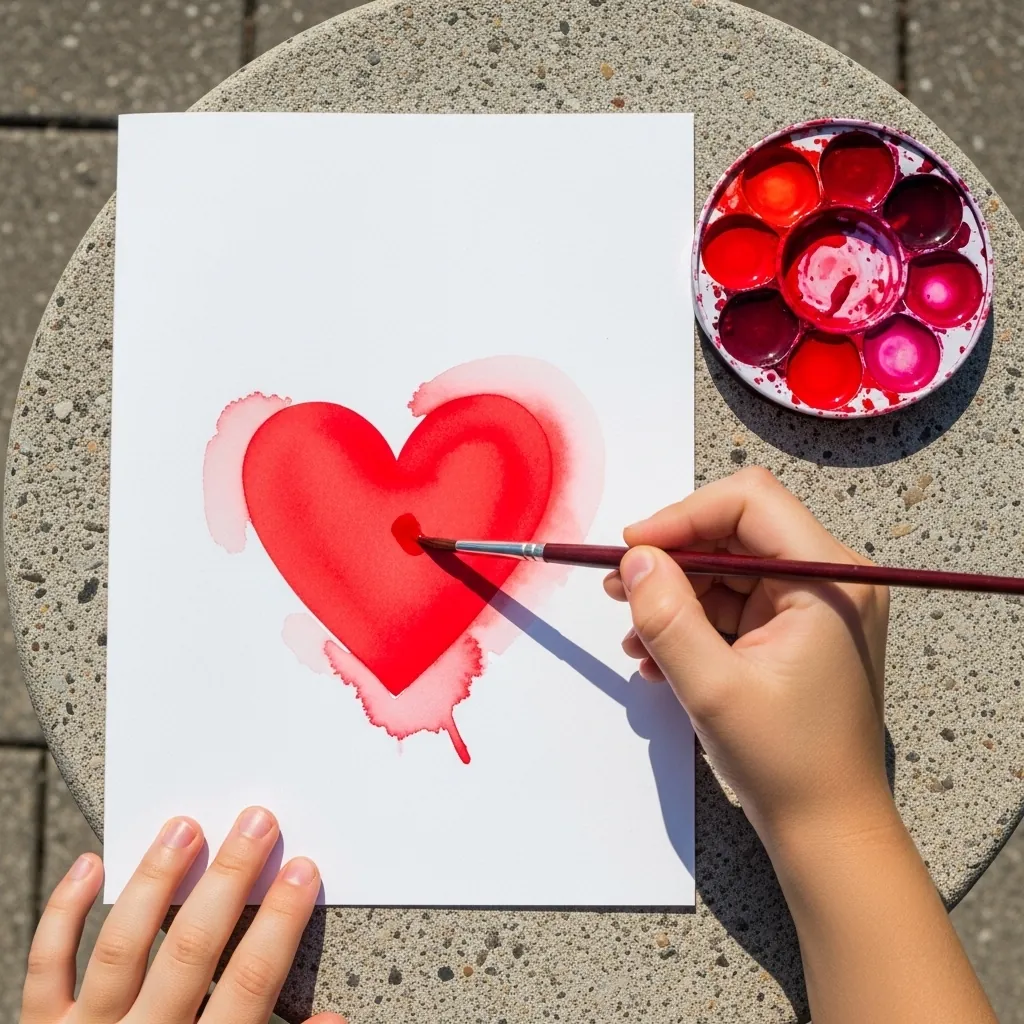
Finish with a heart that has no outline at all. Wet the paper first, load the brush with red and paint the shape onto the damp surface, and let the edges bleed outward on their own; nothing sharp anywhere is the whole point.
Frequently Asked Questions
How do I draw a heart that is not lopsided?
Fold the paper in half, draw half the heart against the fold and cut it out, then open it. If you would rather draw freehand, rule a light vertical line first and make sure the dip at the top and the point at the bottom both sit on it.
Why is my heart leaning to one side?
Almost always because the bottom point has drifted off the center line while the two bumps stayed level. Check the point against the middle before you go over the outline, and nudge it back if it has wandered.
Is the heart symbol based on a real heart?
No. A human heart does not look anything like it. The symbol appears in European art from the medieval period onward, long before accurate anatomical drawings existed, and historians have suggested ivy leaves, fig leaves and the seed pod of the silphium plant as possible origins.
What is the easiest way for a young child to draw one?
Two circles side by side and a V underneath, then trace round the outside of all three. It gives a recognizable heart on the first attempt, and the child can rub out the guide lines afterwards.
How do I fill a heart in neatly?
Move the crayon in one direction only and keep going until the whole shape is covered. Scribbling in every direction leaves obvious gaps and white flecks, whereas parallel strokes look deliberate even when they are not perfectly even.
References and Further Reading