3D cartoon character drawing turns a flat character into a solid one by building the body from simple 3D volumes: spheres, boxes and cylinders. Rotate those volumes in space first, then draw the features onto their curved surfaces.
Key takeaways
- Build every cartoon character from spheres, boxes and cylinders before adding a single feature.
- Wrap facial features around the head's curve rather than placing them flat on the outline.
- Keep the light source fixed and add one soft contact shadow so the character sits on a surface.
- Exaggerate one shape relationship, usually a big head against small limbs, to keep the style readable.
- Rounded forms need soft gradients; hard-edged props need flat values, so do not blend everything.
Short answer: To make a cartoon character look 3D, draw it as simple solid shapes first, pick one light source, then add a soft core shadow on the shaded side and a cast shadow on the ground beneath it. That light-plus-two-shadows combination is what turns a flat outline into a character that looks like it sits in real space.
Below you will find 31 ready-to-draw characters, grouped by medium and difficulty, plus a four-step method you can reuse on every single one of them.
Pick your first character in 30 seconds:
- Brand new to 3D? Start with idea 19, the Clay Style Elephant Painter, or idea 30, the Baby Elephant at a Pottery Wheel. Big round shapes forgive wobbly lines.
- Love soft colour? Try idea 1, the Chubby Baby Dragon, or idea 6, the Watercolor Mermaid. Watercolor gradients do half the shading work for you.
- Prefer pen and ink? Try idea 7, the Ink Line Robot Chef, or idea 21, the Ink Nine Tailed Fox Spirit. One clean cast shadow is all the depth you need.
- Want a fun challenge? Try idea 29, the Ninja Bunny, or idea 23, the Snowboarding Yeti. Both live or die by their action line, so they are great pose practice.
How to Make Any Cartoon Character Look 3D
Every character below uses the same four steps. Learn them once, and you can apply them to a dragon, a robot, a cat, or a character you invent yourself.
1
Build from solid shapes. Sketch the head as a ball, the body as a bean or box, and the limbs as cylinders before you add any details. If the simple shapes look solid, the finished character will too. If they look flat, no amount of colour will save it.
2
Fix one light source and keep it there. Draw a small sun or arrow in the corner of your page. Every highlight goes on the side facing that arrow, and every shadow goes on the opposite side, on every part of the character. Mixed-up lighting is the most common reason a drawing looks flat.
3
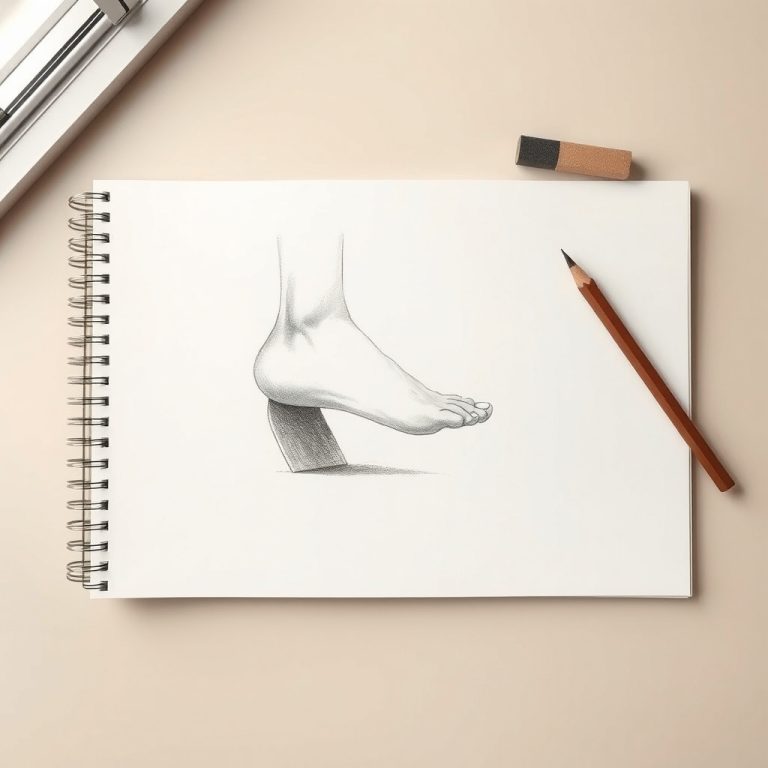
Add two shadows, not one. First, a soft core shadow where the form turns away from the light. Second, a cast shadow on the ground under the character. The cast shadow is what grounds the character and stops it floating on the page. For a deeper explanation of building forms this way, the free course Drawabox Lesson 2 on organic perspective and form is a solid, practice-based reference.
4
Check the silhouette. Squint at your drawing. You should still recognise the character from its outline alone. If two limbs melt into one blob, separate them, overlap them clearly, or move one into the light and one into shadow.
Beginner tip: Work light to dark. Sketch in pencil, block in the lightest colours or values first, then add the core shadow, then the cast shadow last. It is far easier to darken a drawing than to lighten one you have already gone too dark on.
Common mistake: Outlining everything in thick black and then shading inside the outline. The outline flattens the form. Instead, let the shadow edge do the outlining on the dark side, and keep the light side edge light or even broken.
Quick Picker: Which Ideas Match Your Medium?
| If you have | Try these ideas | What makes them work |
|---|---|---|
| Watercolors | 1, 6, 11, 12 | Wet gradients create soft core shadows with almost no blending effort. |
| Markers or pens | 7, 10, 18, 21 | Flat colour plus one hard cast shadow reads instantly as 3D. |
| Graphite pencil | 9, 13, 26 | Layered grey values build roundness slowly and forgivingly. |
| Chalk or pastels | 5, 27 | Light marks on dark paper make highlights glow without white paint. |
| Coloured pencils or digital | 4, 15, 19, 28 | Colour blocking and glossy highlights sell a vinyl-toy, clay-like finish. |
For more characters in the same soft, rounded style, see these clay style character art drawing ideas, and for fox characters specifically, these fox character ideas cover everything from a simple muzzle wedge to a nine-tail kitsune.
What separates a flat cartoon from one that looks sculpted is not detail, it is light. Give a character one clear light source, a rounded core shadow and a shadow on the ground beneath it, and a simple shape suddenly reads as a solid object sitting in space. Everything else is styling.
That is the thread running through the 31 characters below. Some are rendered like vinyl toys with glossy highlights, others are inked flat and given depth by a single cast shadow, and a few use nothing but a soft airbrushed gradient. The subjects range from baby dragons and astronaut bears to samurai cats and art deco villains, so there is a wide spread of shape language to borrow from.
If you are still building confidence with proportion and expression, it is worth working through some simpler character drawing ideas first, then coming back here to add dimension. Character work also pairs well with practicing expressive eyes, since on a stylized face the eyes carry almost all the personality.
Each idea below names the medium and the one technique that makes the dimensional effect work, so you can pick a character and start rather than scrolling for inspiration. For more ways to push depth on paper, these 3D digital art ideas are a useful companion.
1. Chubby Baby Dragon with Watercolor Splashes
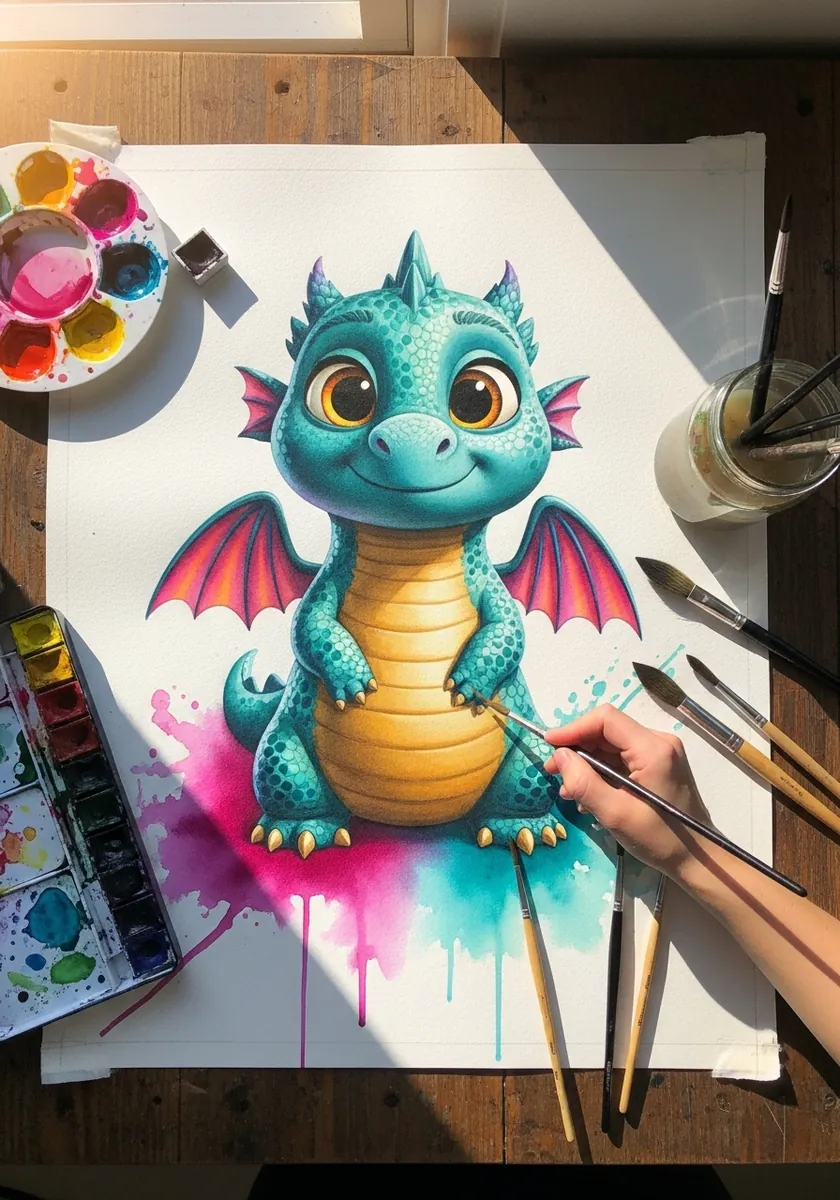
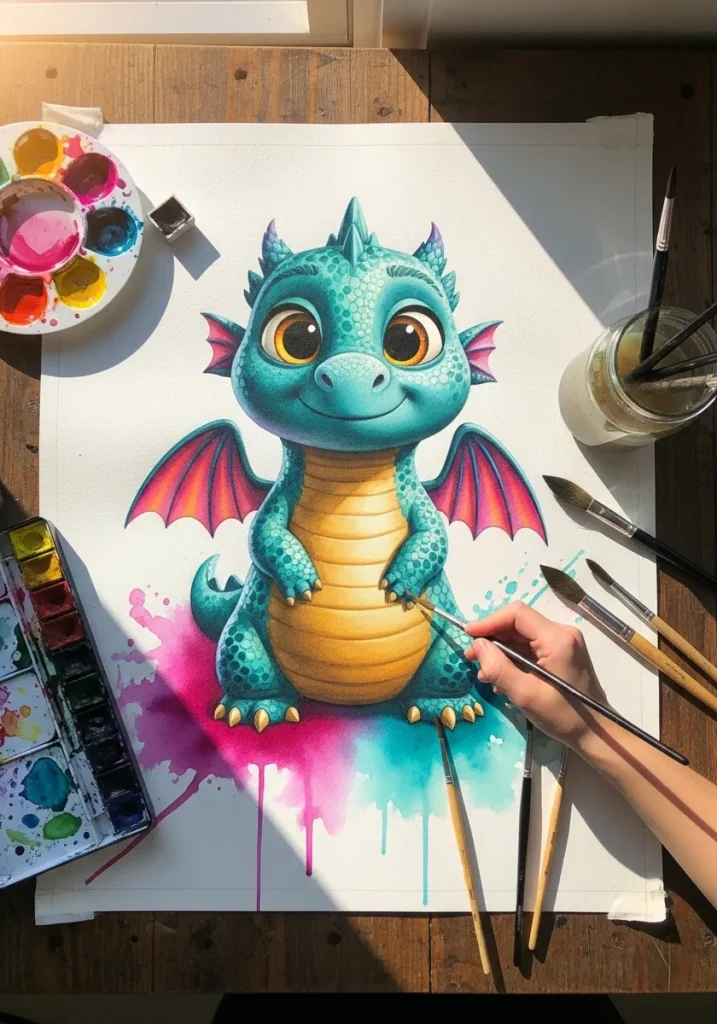
A round teal dragon with oversized amber eyes and pink wings, sitting in a burst of magenta and turquoise splashes. The body is rendered with a soft gradient from lit top to shadowed belly, which is what makes it read as solid. Keep the highlight in a single spot on the forehead and let everything curve away from it.
2. Chibi Knight in Shining Armor
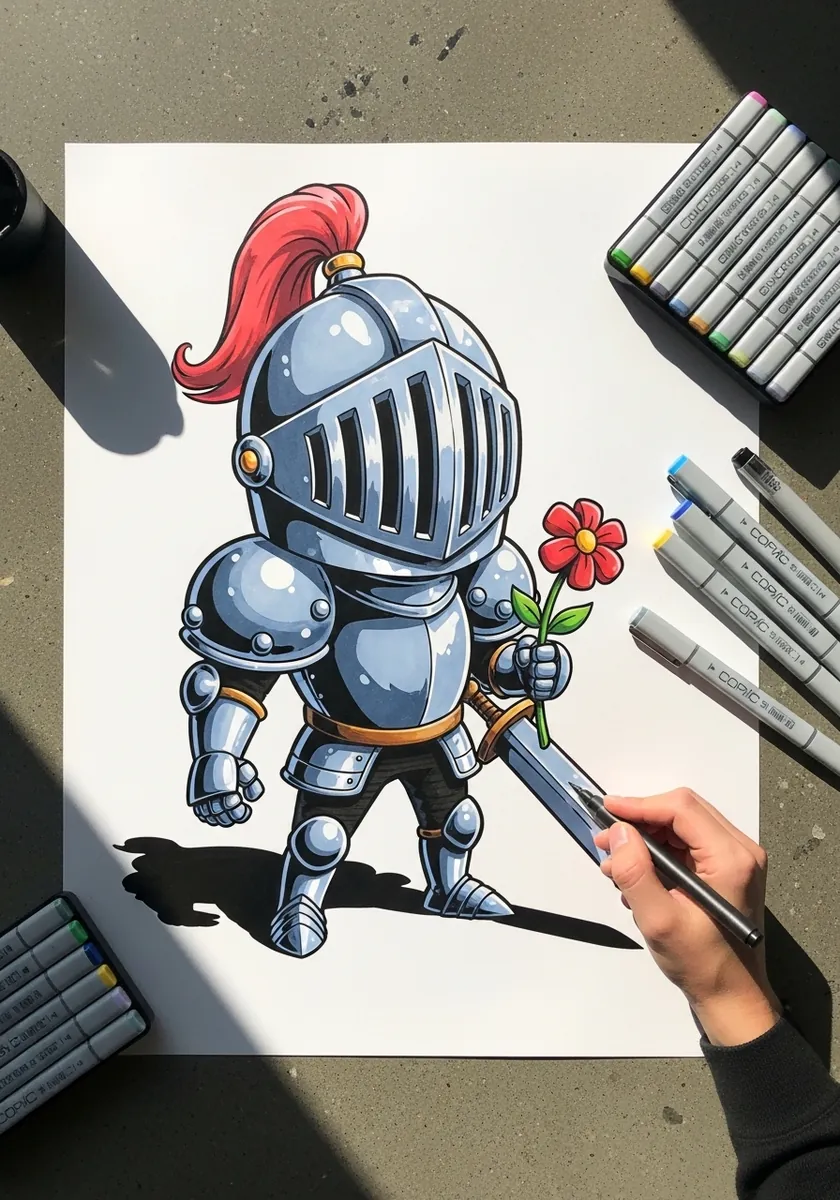
A tiny knight in polished gray armor holds a sword in one hand and a single red flower in the other. Armor is the easiest way to practice dimensional rendering because each plate is a simple curved surface. Give every plate one highlight strip and one dark edge, and add a hard cast shadow to plant him on the ground.
3. Detective Fox in a Trench Coat
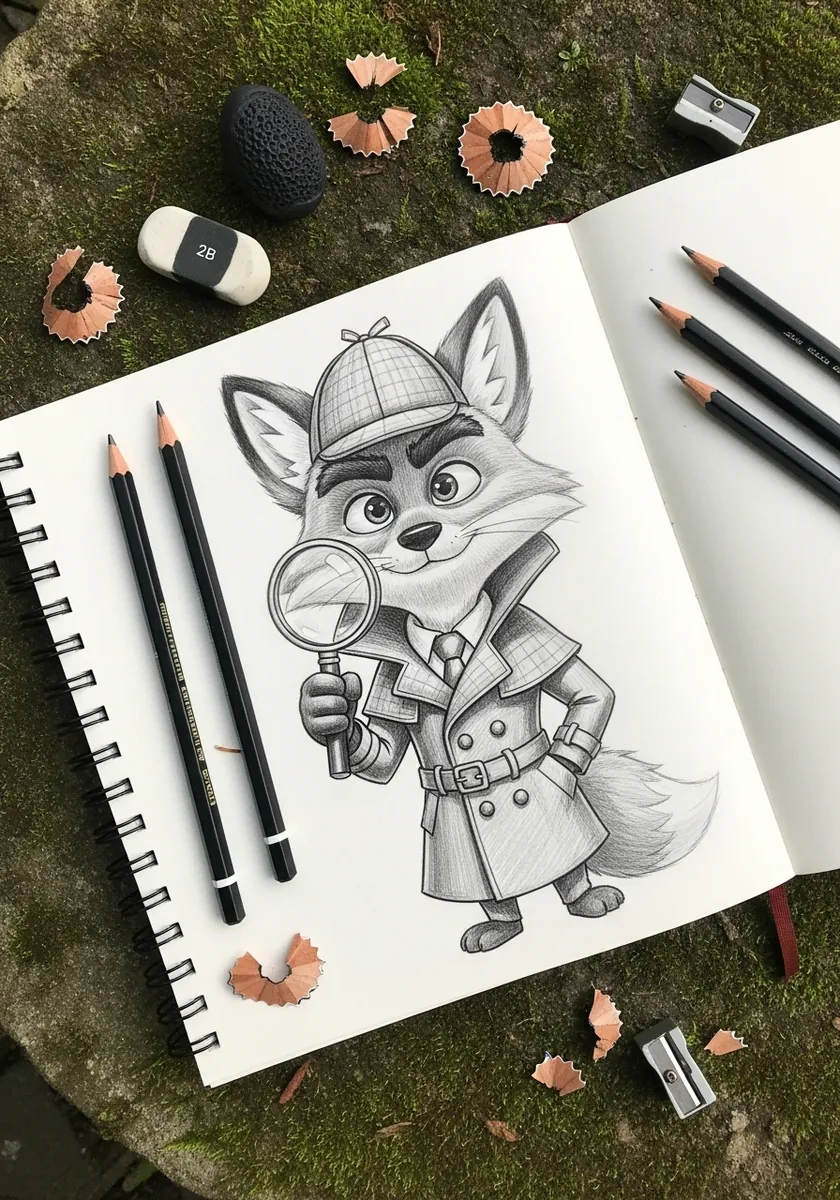
A fox in a deerstalker and belted trench coat peers through a magnifying glass, drawn entirely in graphite. Fabric folds are the challenge here. Draw the coat as a series of soft cylinders, put the darkest tone where the fabric turns away from you, and leave the shoulders bright.
4. Astronaut Teddy Bear on Color Blocks
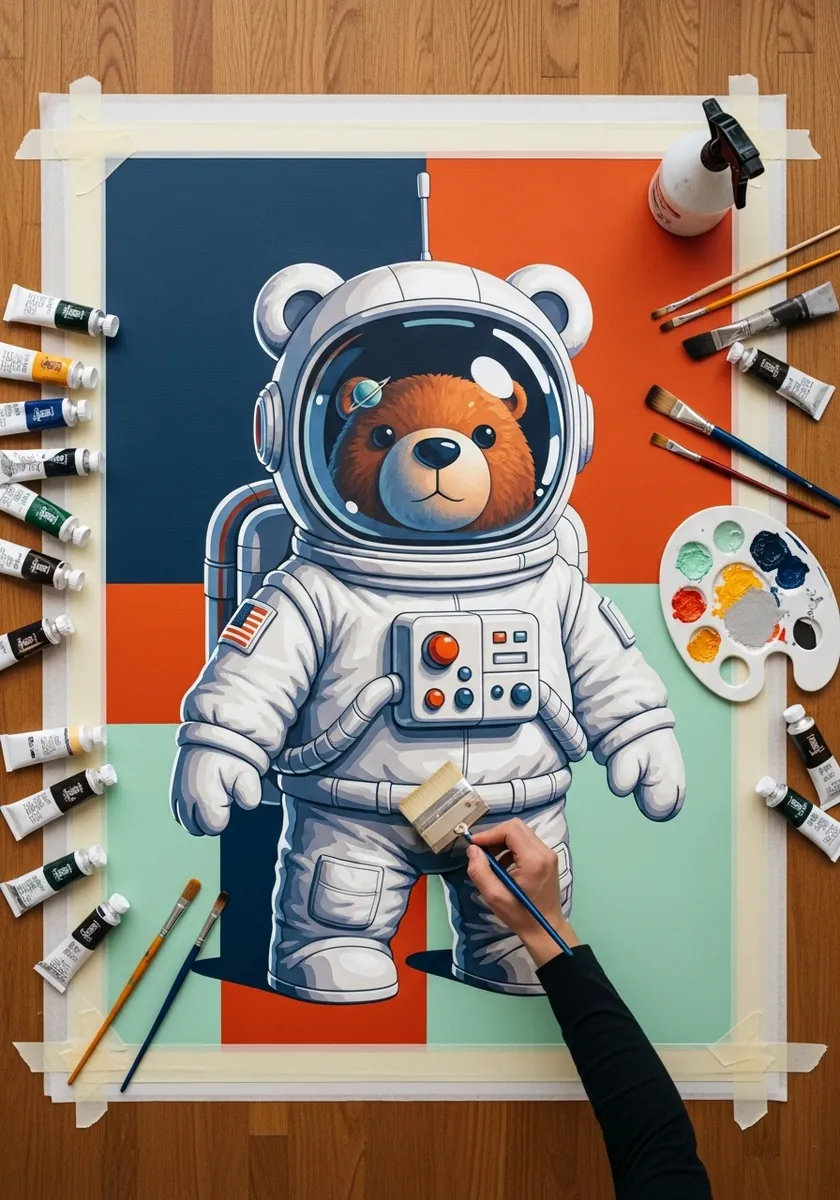
A teddy bear in a white spacesuit stands against flat blocks of orange, navy and mint. The suit is white, so all the form has to come from the grays. Use three values only, keep the helmet glass as a simple curved reflection, and let the flat background push the figure forward.
5. White Chalk Witch on Kraft Paper
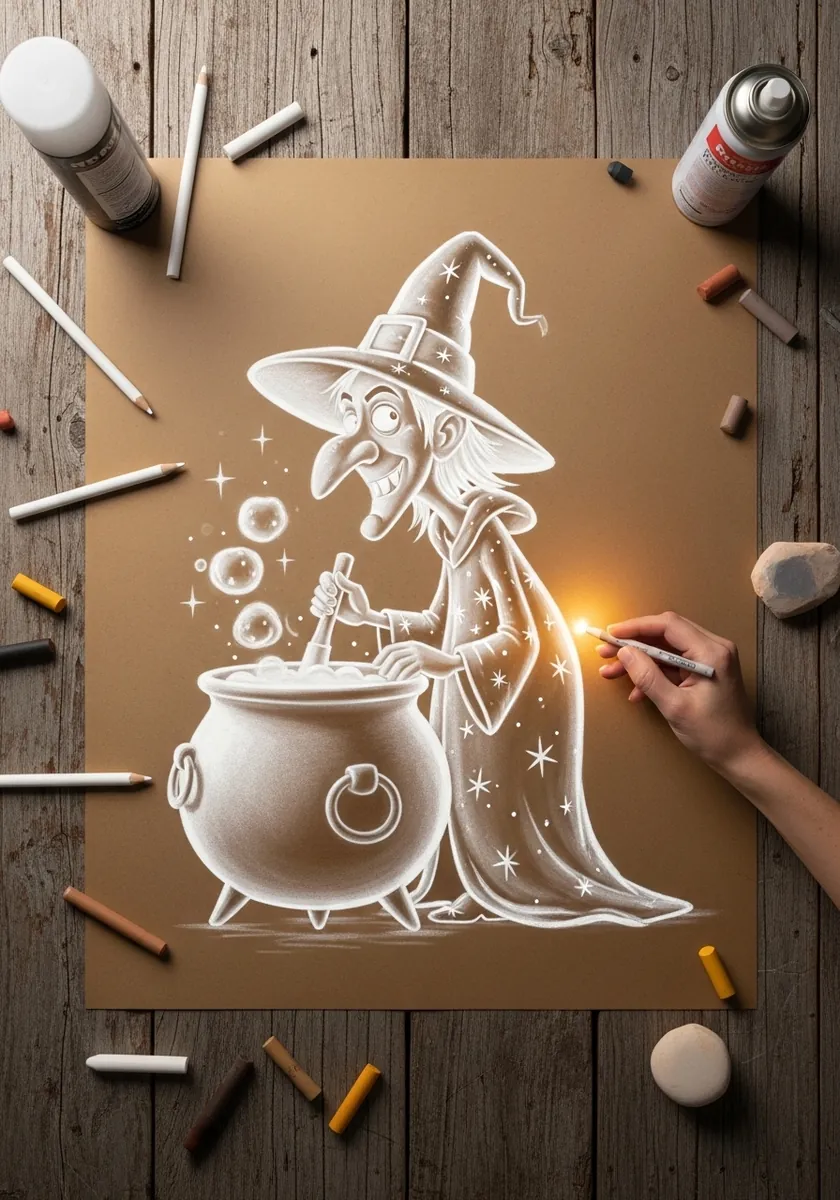
A long-nosed witch stirs a bubbling cauldron, drawn purely in white chalk on brown kraft. Working in reverse teaches you to think in light rather than line. Let the paper stay as every mid and dark tone, and reserve the brightest chalk for the steam and the cauldron rim.
6. Watercolor Mermaid with Flowing Hair
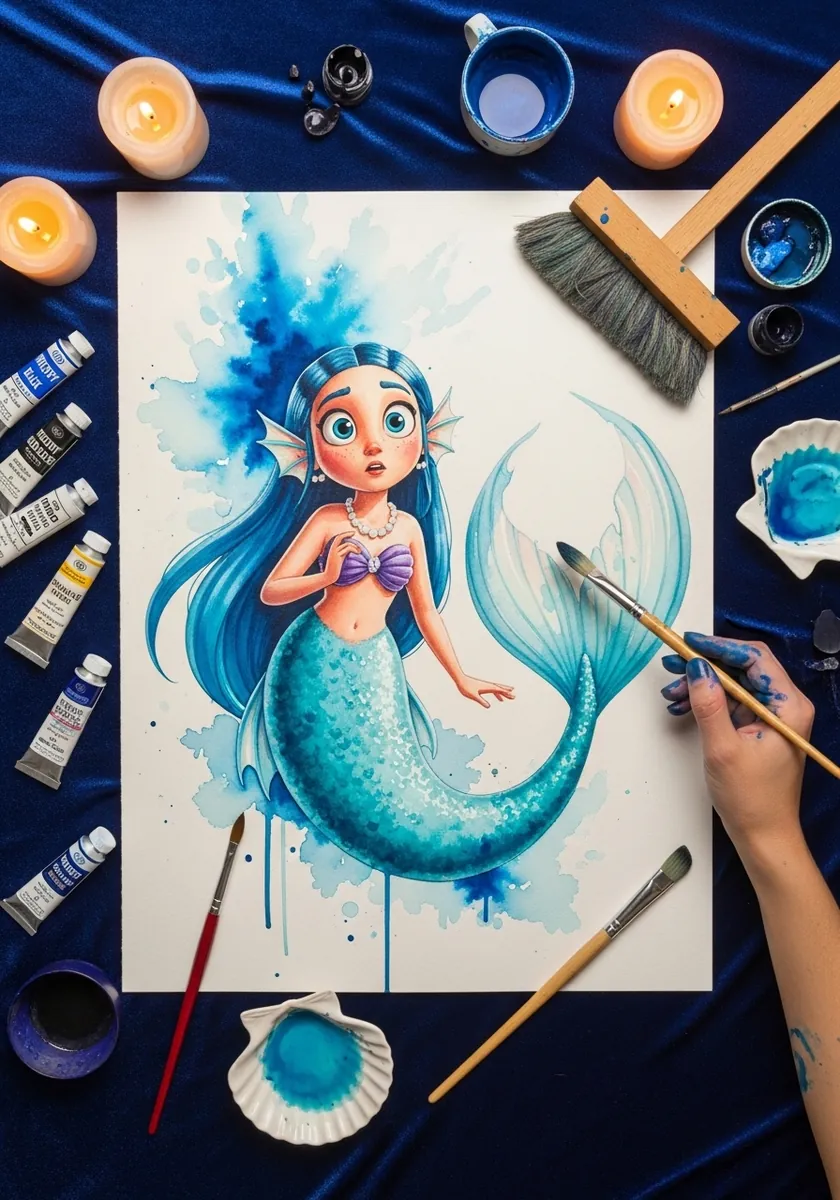
A wide-eyed mermaid with sweeping blue hair and a scaled teal tail, painted with wet splashes bleeding out behind her. Paint the figure tightly and let the background run freely; the contrast between the two is what gives the piece depth.
7. Ink Line Robot Chef
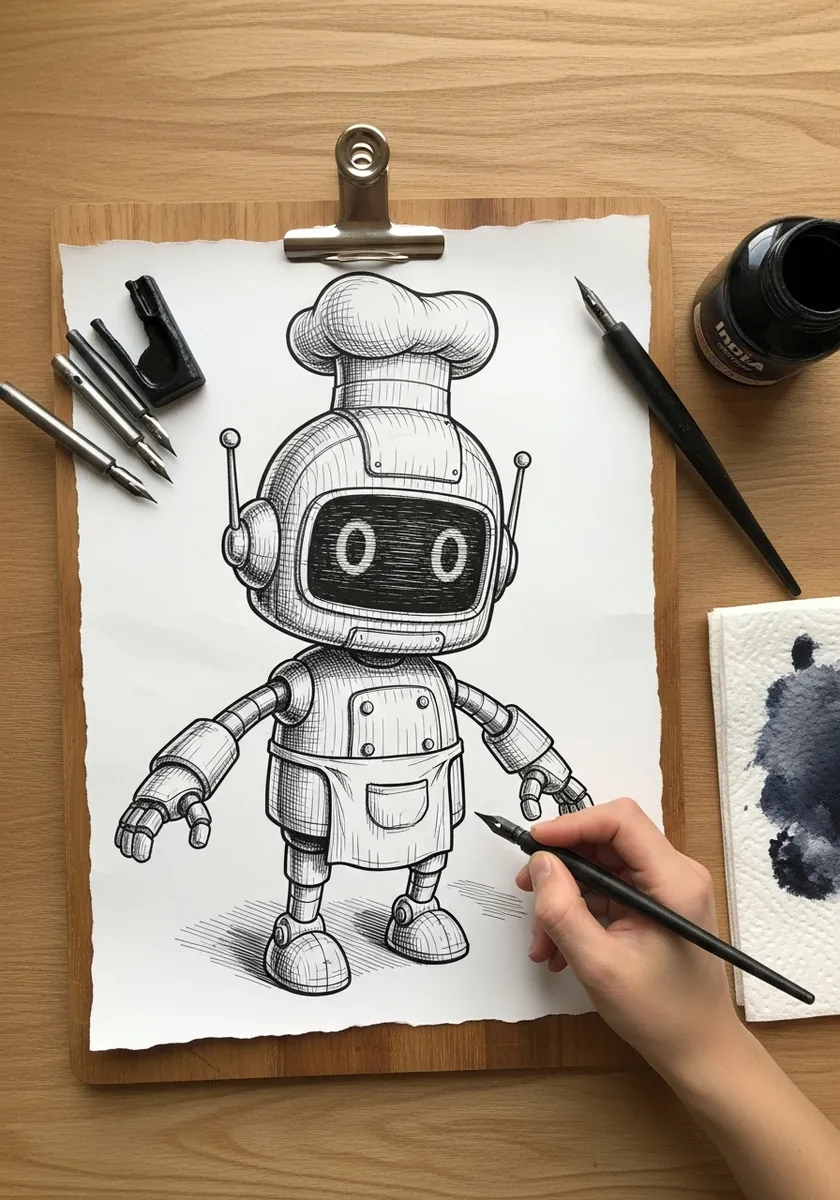
A boxy robot in a chef's hat, drawn in clean ink line with light hatching along one side. With a hard-surfaced character you can build the whole form from straight-sided boxes and cylinders. Hatch only the right-hand side of every form and keep the left completely white.
8. Sumi-e Samurai Cat
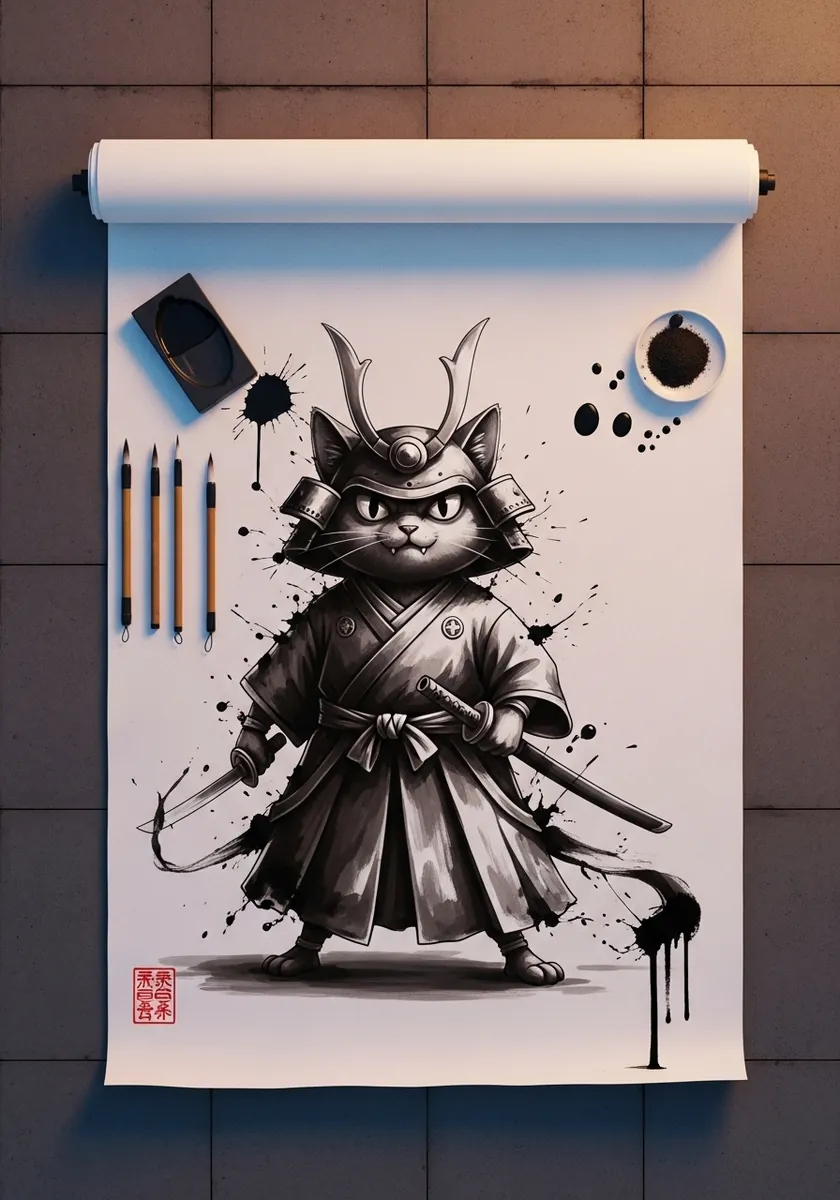
A cat in samurai armor stands ready with a sword, painted in loose black brush strokes with ink splatter behind. Load the brush once for the robes and let the stroke break dry at the hem; that dryness reads as fabric weight better than any shading would.
9. Dinosaur Scientist in a Lab Coat
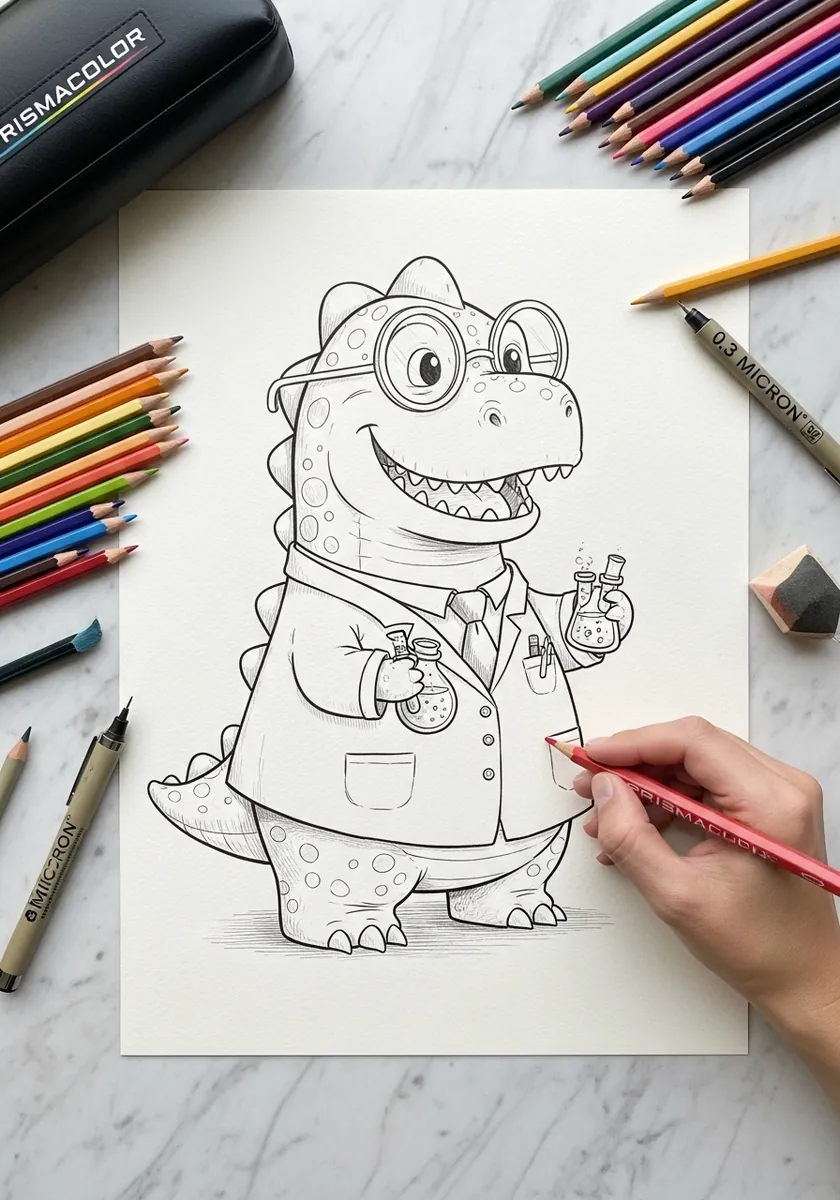
A grinning green dinosaur in a lab coat and round glasses holds a bubbling flask, drawn as clean outlines ready to color. Keep the linework a single weight, round every corner, and let the props do the character work.
10. Pop Art Superhero Panda
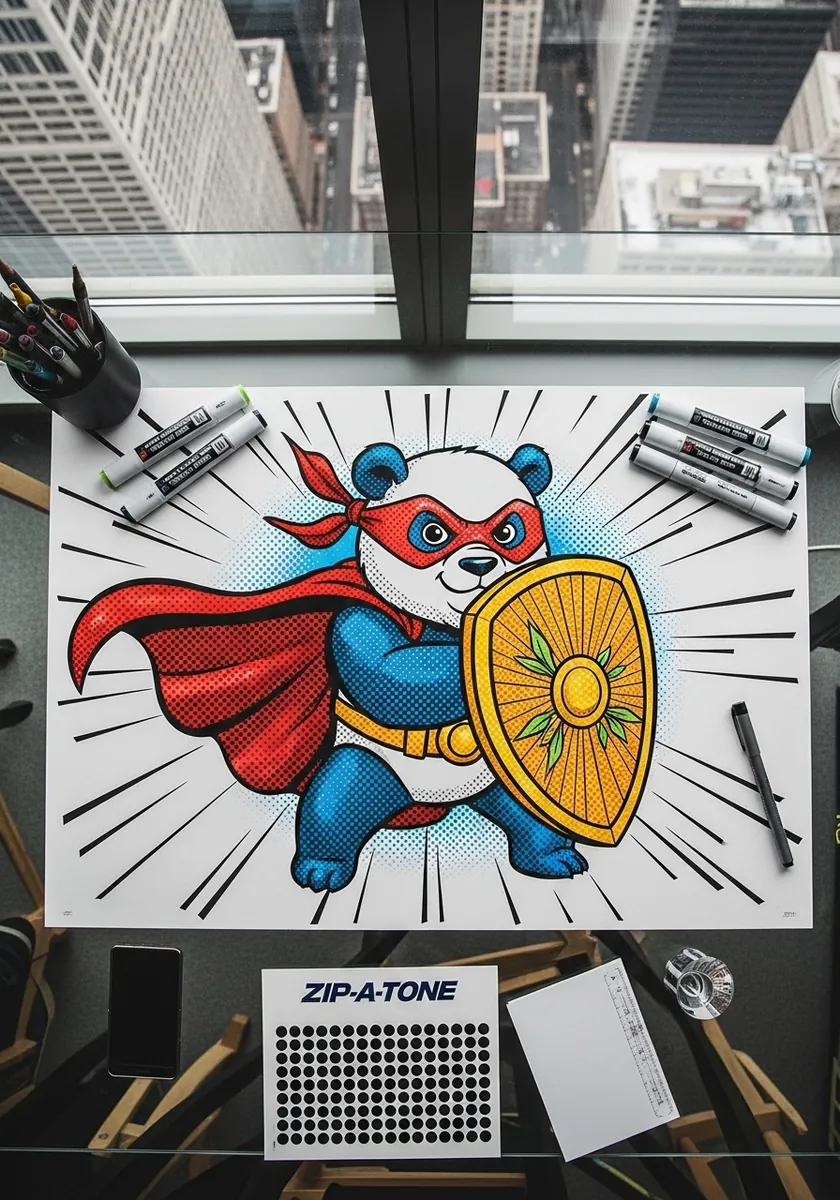
A panda in a red cape and blue suit holds a golden shield, framed by radiating speed lines and halftone dots. Ink the outline heavily first, lay the halftone behind, and rule the speed lines from a point directly behind the figure.
11. Watercolor Professor Owl
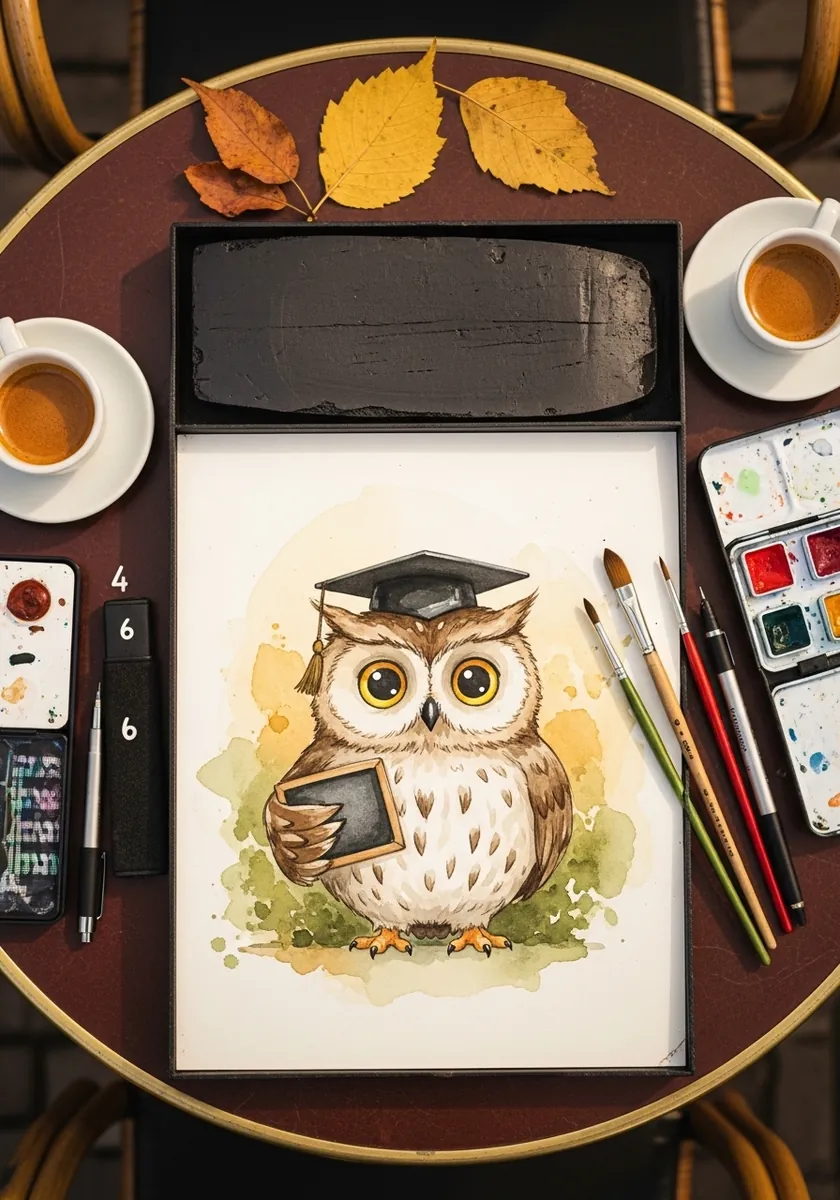
An owl in a mortarboard clutches a book, painted in soft browns and creams over a loose green wash. The rounded body is built from a single graded wash, dark at the base and pale at the chest. Add the feather texture only once the base is fully dry.
12. Fiery Phoenix Chick Hatching
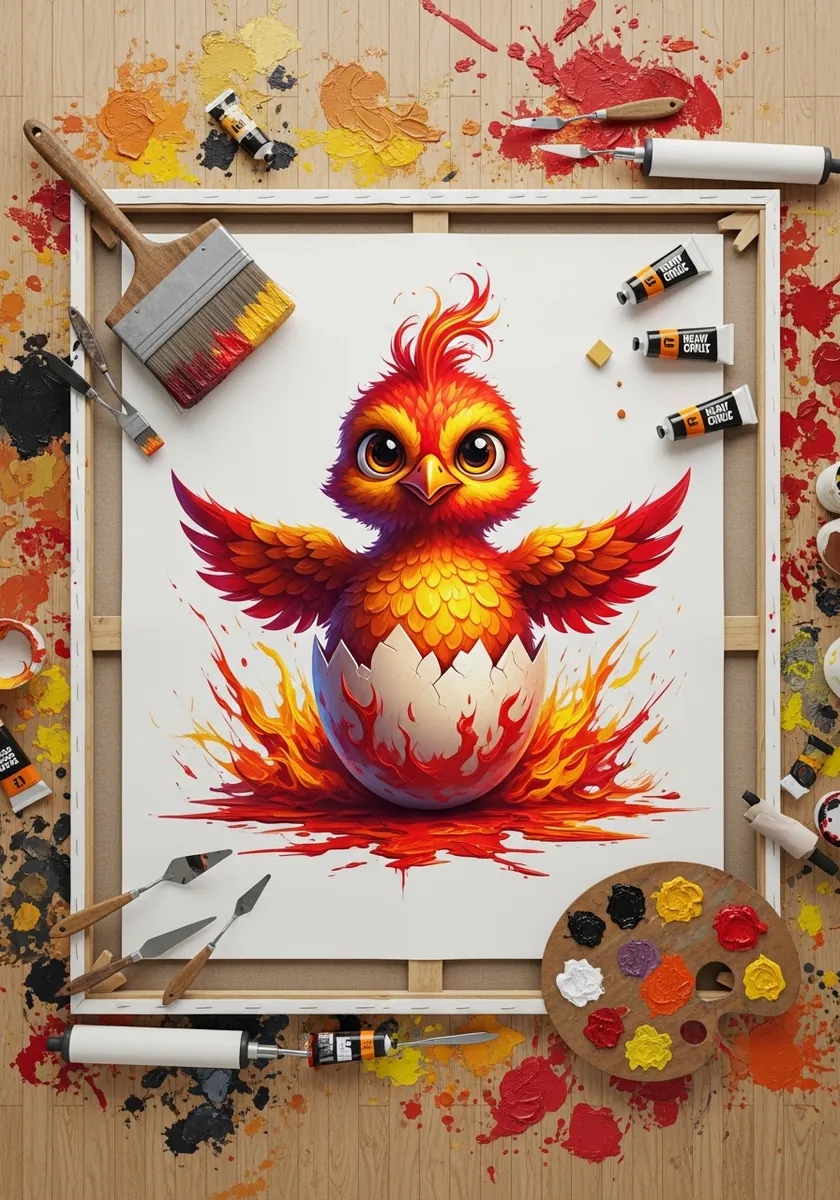
A red and gold chick bursts from a cracked egg in a ring of flame. Flames read best when you paint them from the outside in, laying the deepest red first and dropping yellow into the wet center so the two blend on the paper.
13. Graphite Zombie Chef
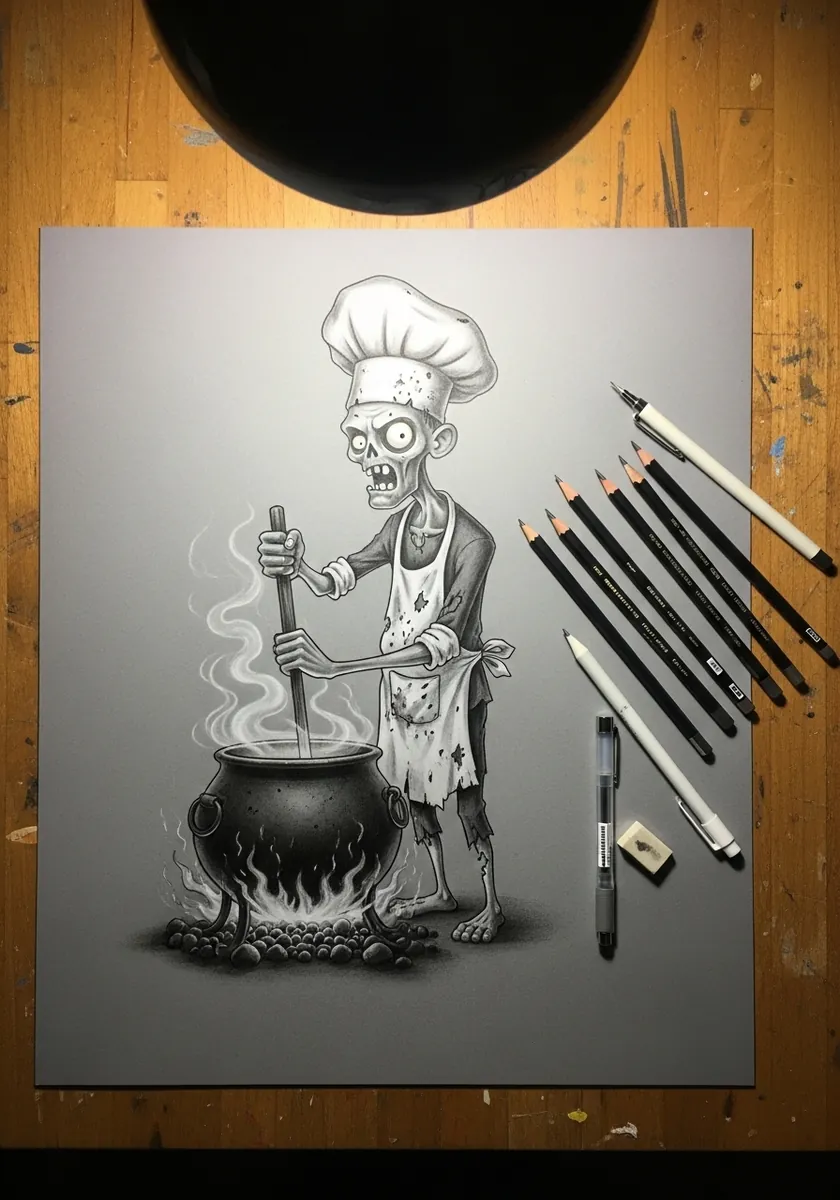
A gangly zombie in a chef's hat stirs a steaming pot, drawn in graphite on gray paper. Exaggerated proportion carries the whole character; stretch the limbs well past life and keep the head small so the silhouette reads instantly.
14. Pirate Crab with a Treasure Chest
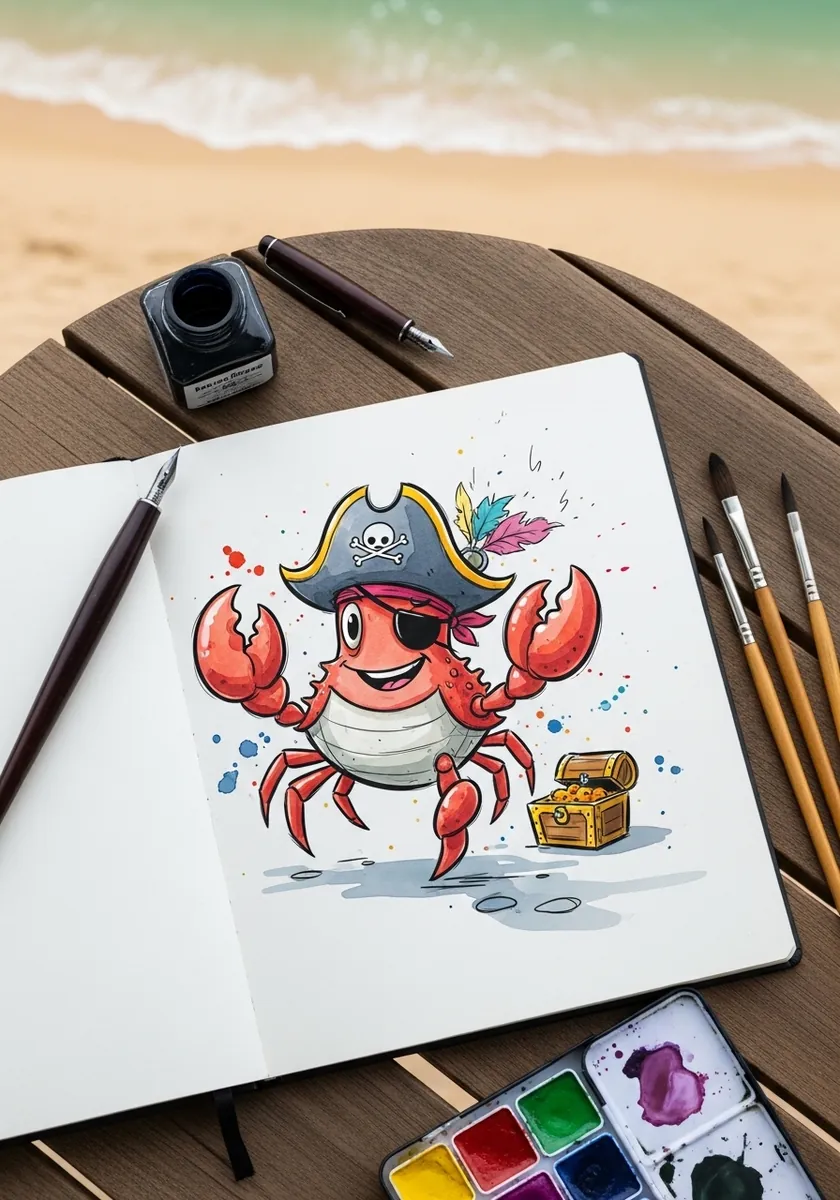
A red crab in a tricorn hat and eyepatch scuttles beside a small treasure chest. Give the shell one broad highlight across the top and darken the underside sharply, which is all it takes to make a flat oval look domed.
15. Astronaut Bunny Floating in Space
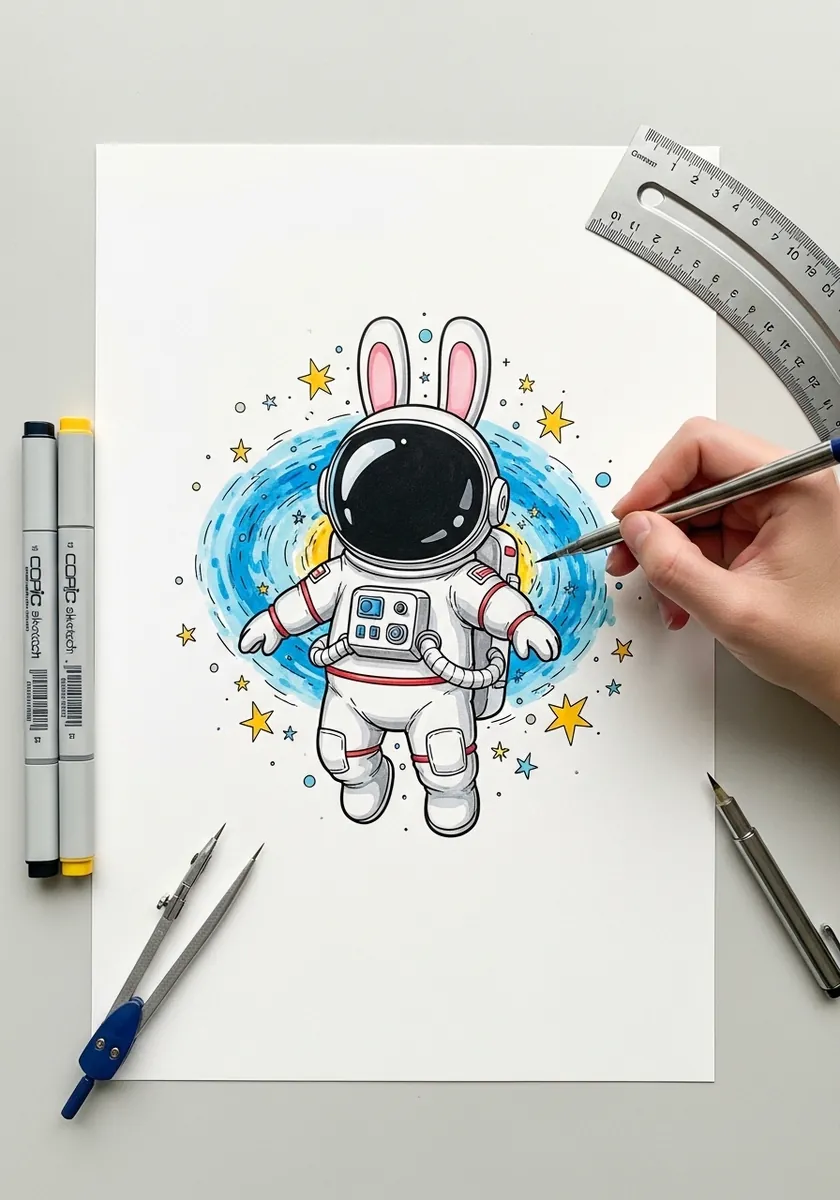
A rabbit in a spacesuit drifts among hand-drawn stars and blue swirls. The suit is white against white paper, so every edge has to be defined by a gray shadow rather than an outline. Keep the visor solid dark as the one anchor point.
16. Art Nouveau Forest Fairy
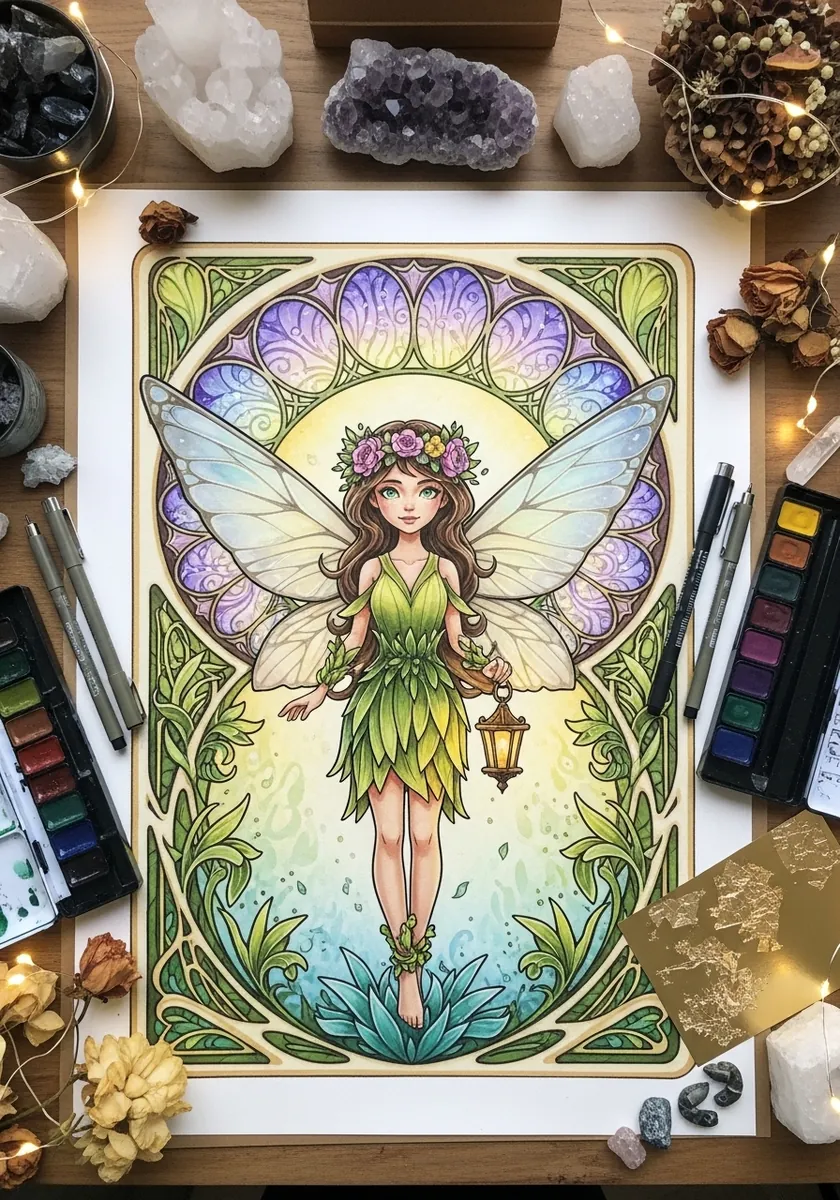
A fairy with translucent wings stands inside an ornate arched border of vines and stained glass. Design the frame first as a symmetrical shape, then fit the figure inside it, and keep the wings pale so the border can carry the color.
17. Bookish Cat in a Cardigan
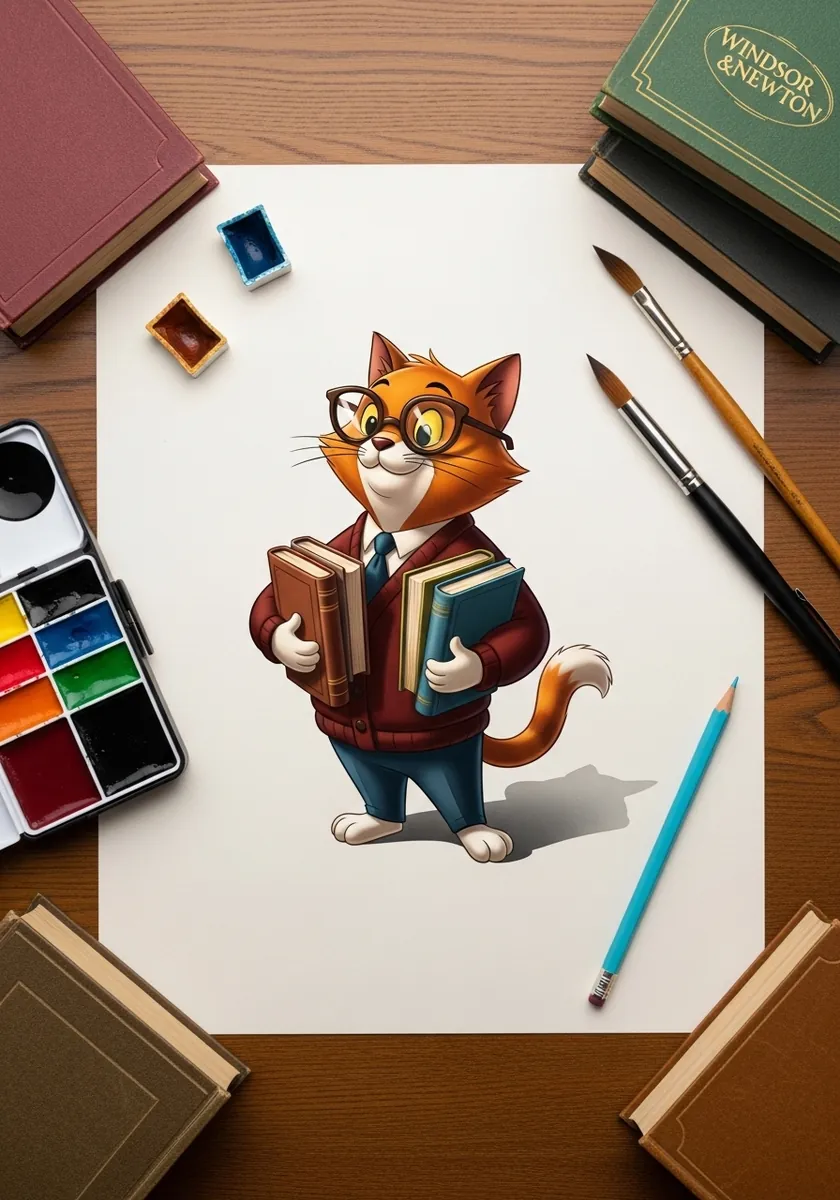
An orange cat in glasses and a knitted cardigan carries an armful of books, with a soft shadow behind. The clothing is what makes it read as a character rather than an animal. Draw the cardigan as a cylinder around the torso and let the cuffs bunch at the wrists.
18. Neon Graffiti Hacker Raccoon
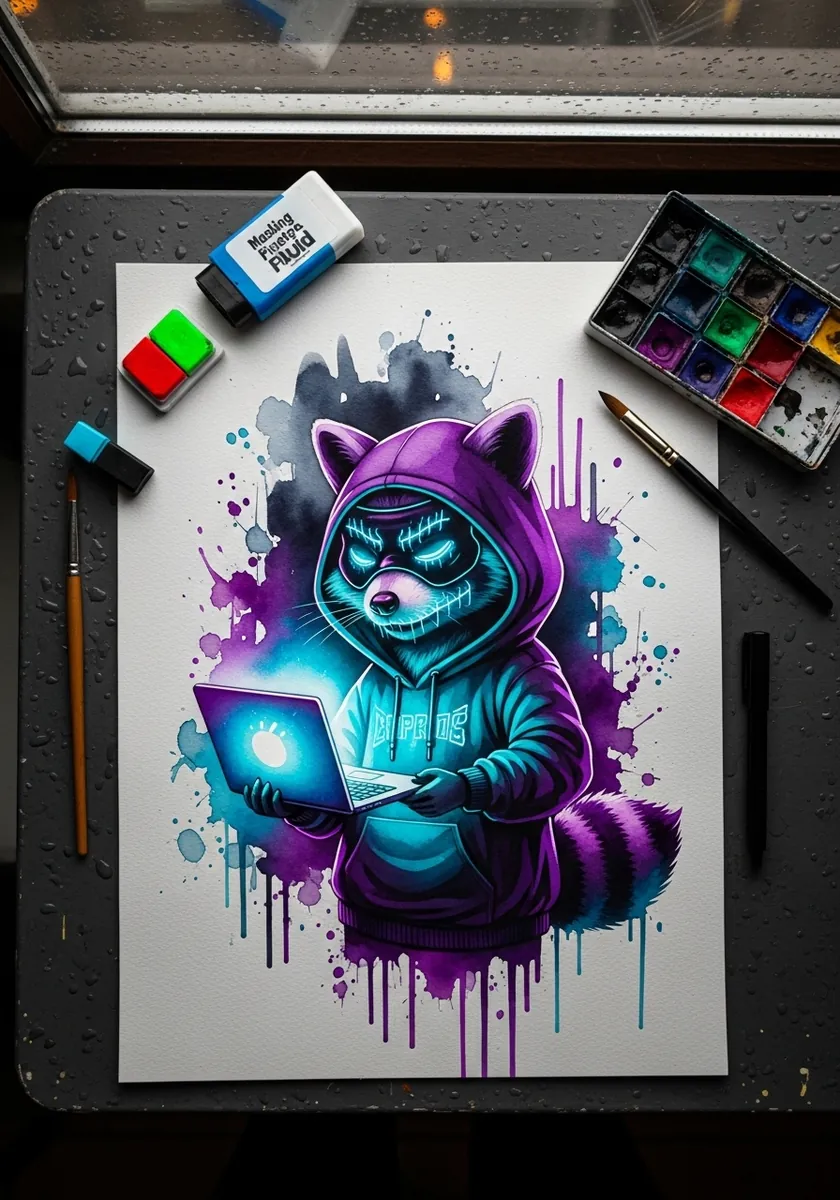
A raccoon in a hoodie hunches over a glowing laptop, painted in electric purple and cyan with drips running down. All the light comes from the screen, so keep the underside of the face bright and everything above it in shadow.
19. Clay Style Elephant Painter
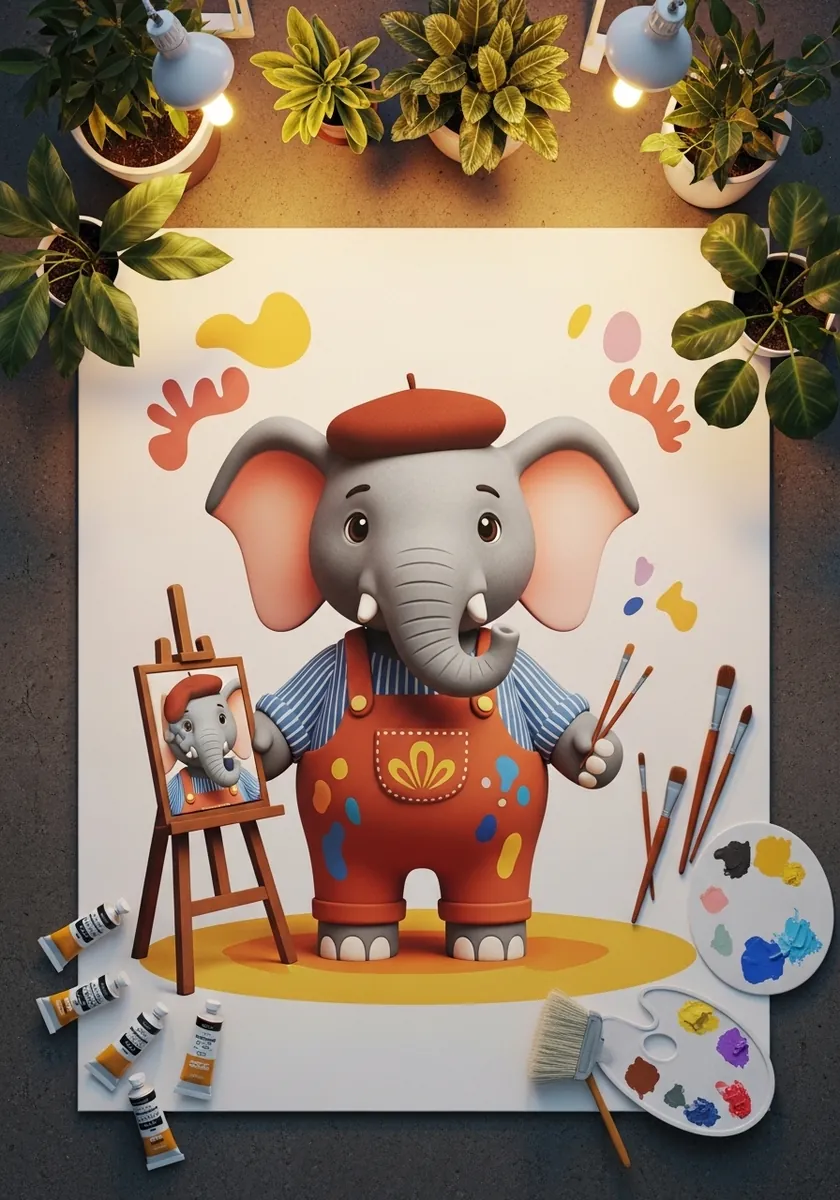
A gray elephant in a beret and red overalls stands beside a tiny easel, rendered with the soft matte finish of modelling clay. Avoid sharp highlights entirely; clay scatters light, so use broad soft gradients and a slightly darker rim on every edge.
20. Baby Griffin Oil Portrait
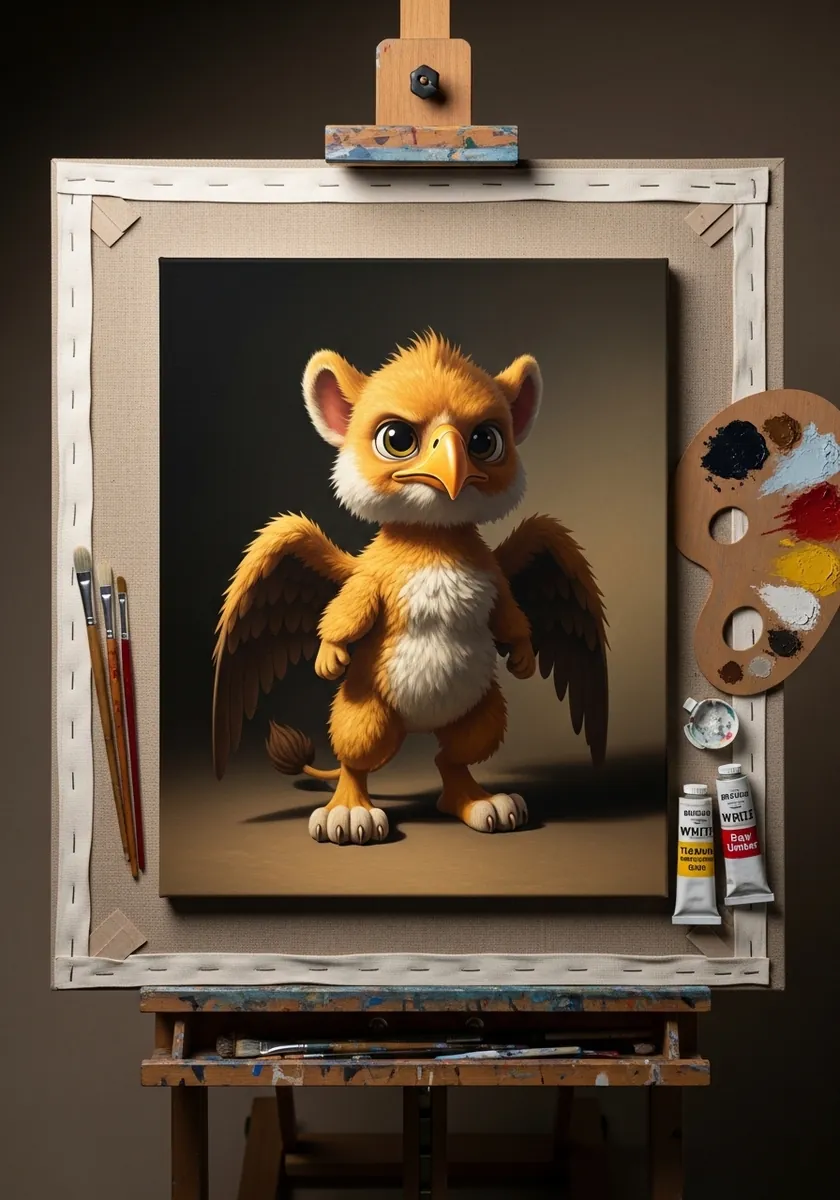
A fluffy young griffin stands in a dark oil-painting setting with warm rim lighting along its back. Placing a cartoon character in a classical lighting setup is an easy way to make it feel substantial. Keep the background almost black and let one warm light define the whole silhouette.
21. Ink Nine Tailed Fox Spirit
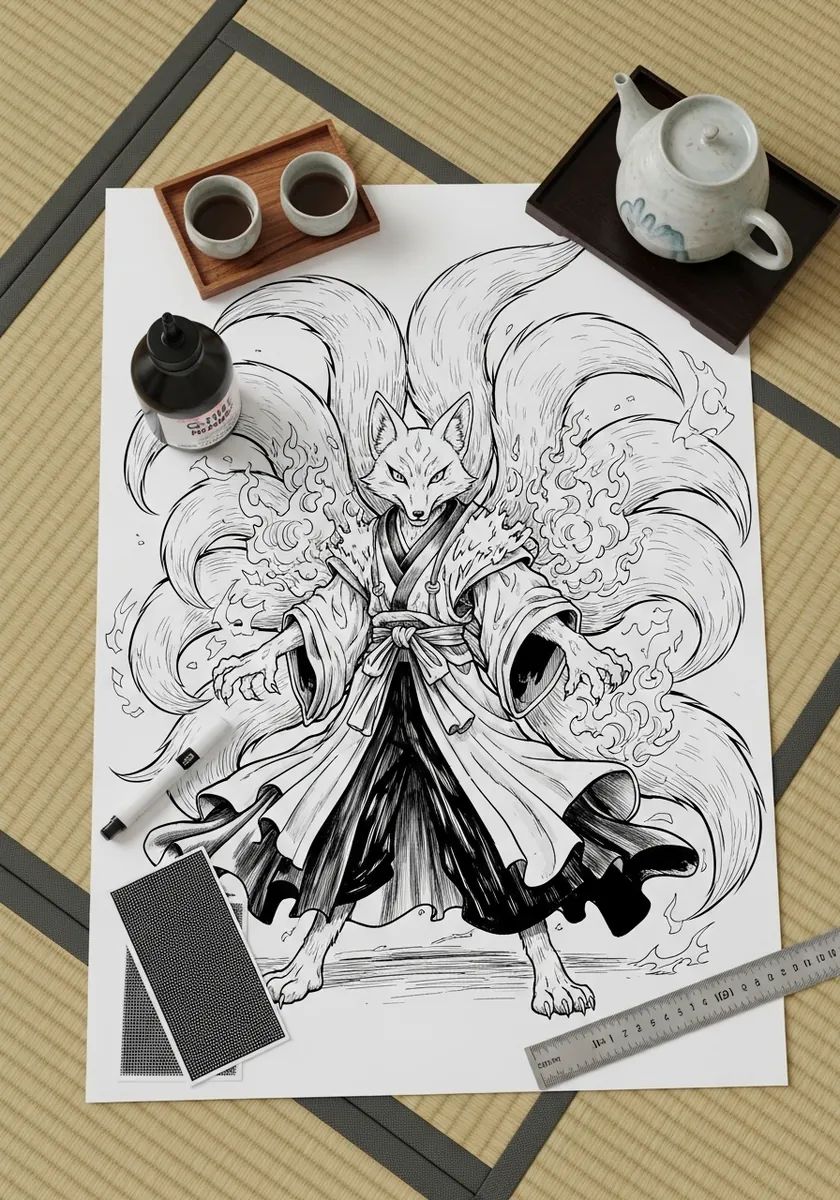
A fox spirit in long robes stands surrounded by nine flowing tails and curling flame, drawn in fine black line with no shading. Let the tails overlap each other in a clear front-to-back order, since that overlap is the only depth cue you have.
22. Zen Panda with a Bonsai Tree
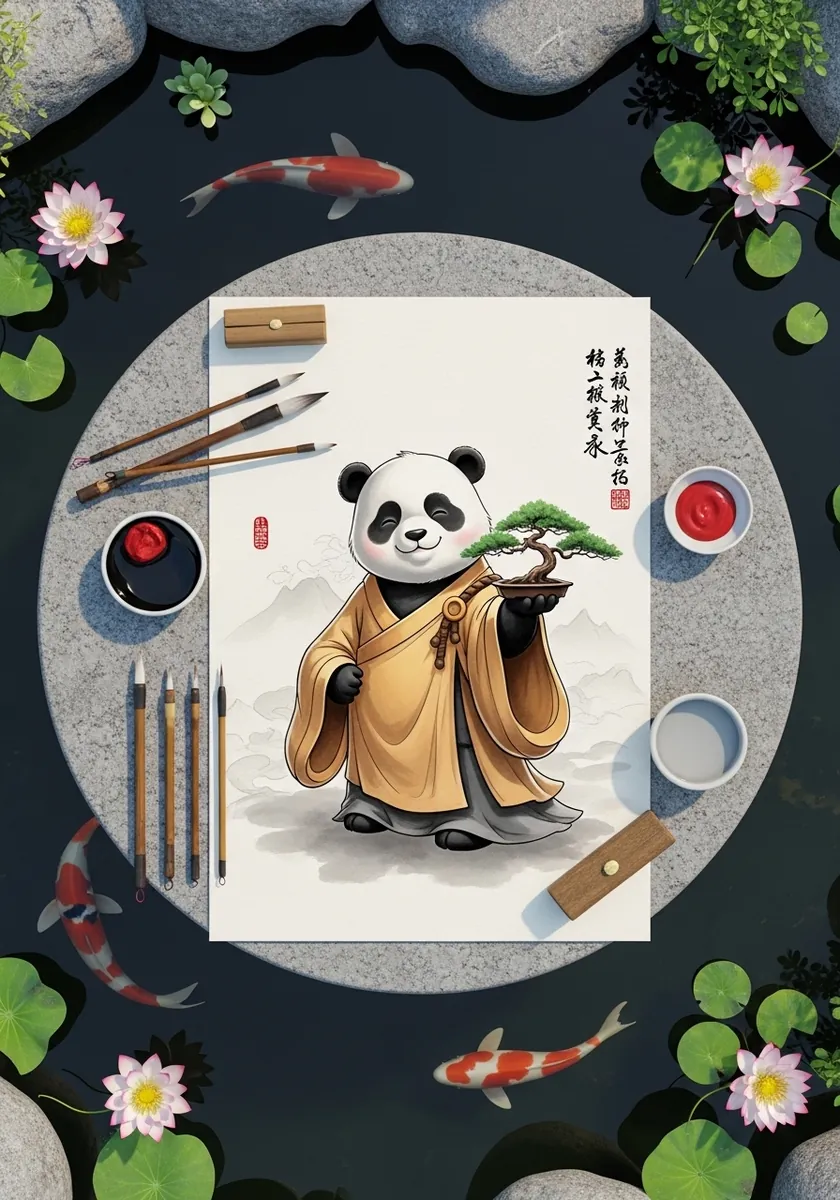
A panda in saffron robes holds a bonsai on a tray, painted in soft ink wash with a pale mountain behind. Keep the palette to two colors plus gray, and let large areas of the paper stay completely empty.
23. Snowboarding Yeti
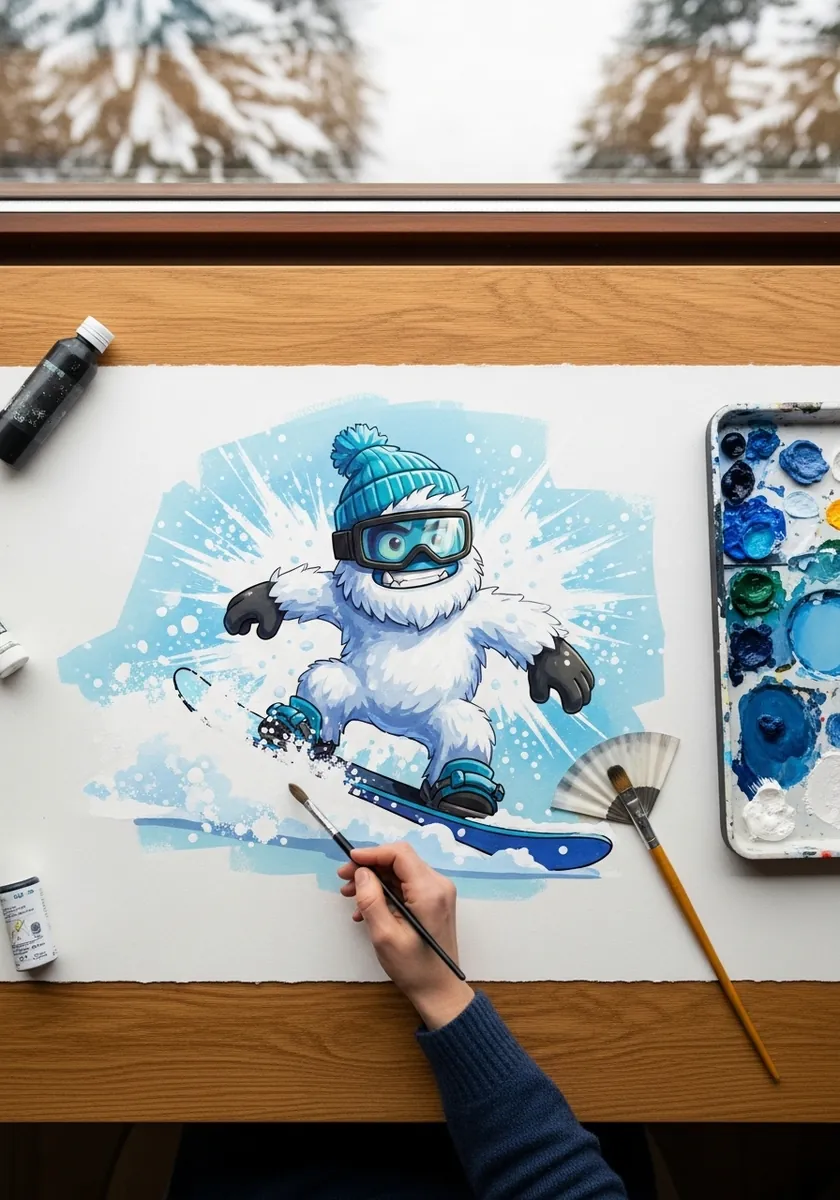
A grinning yeti in a beanie and goggles carves through a spray of snow. A white character on white paper needs its form built entirely from blue shadow. Use one cool blue for every shadow and keep the lit fur as untouched paper.
24. Art Deco Vampire Cat
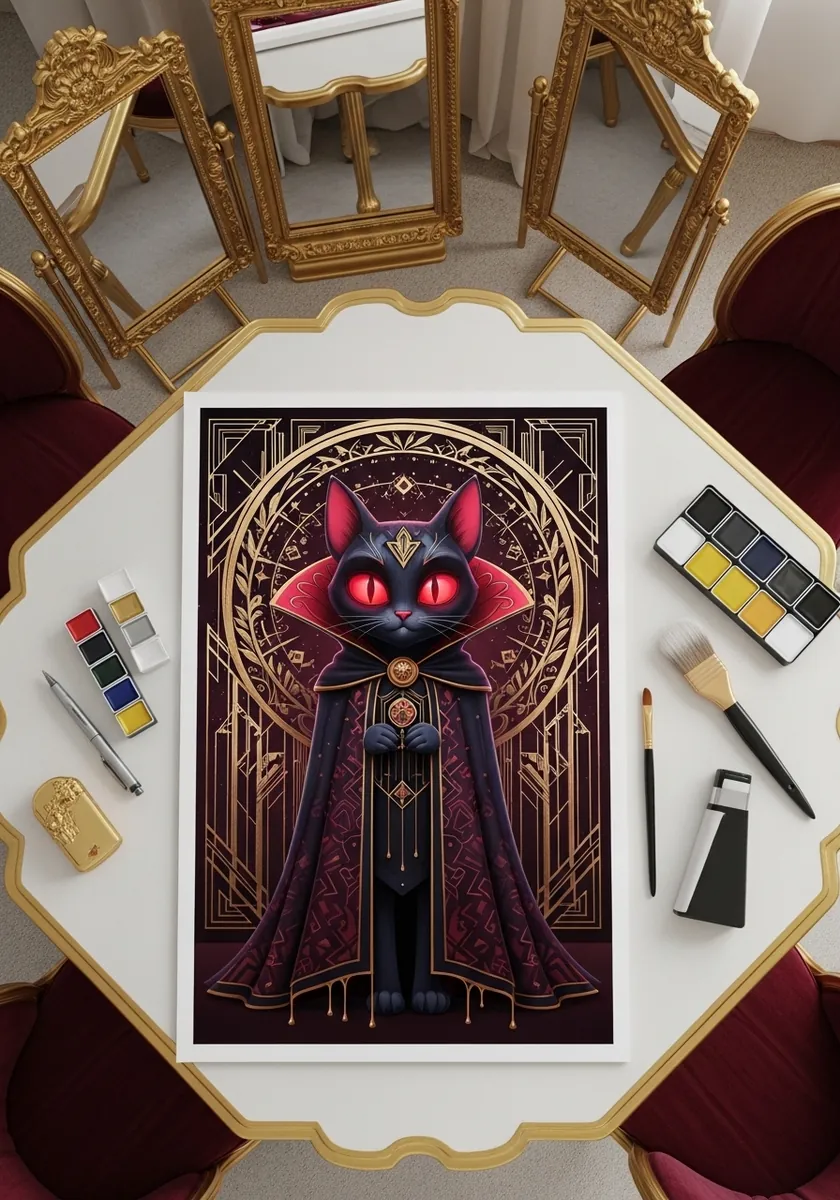
A black cat in a high-collared crimson cloak stands before a gold art deco sunburst. Symmetry and metallic accents do the work. Rule the background geometry first, keep the figure a flat silhouette, and add gold only along the edges.
25. Aztec Sun God Character
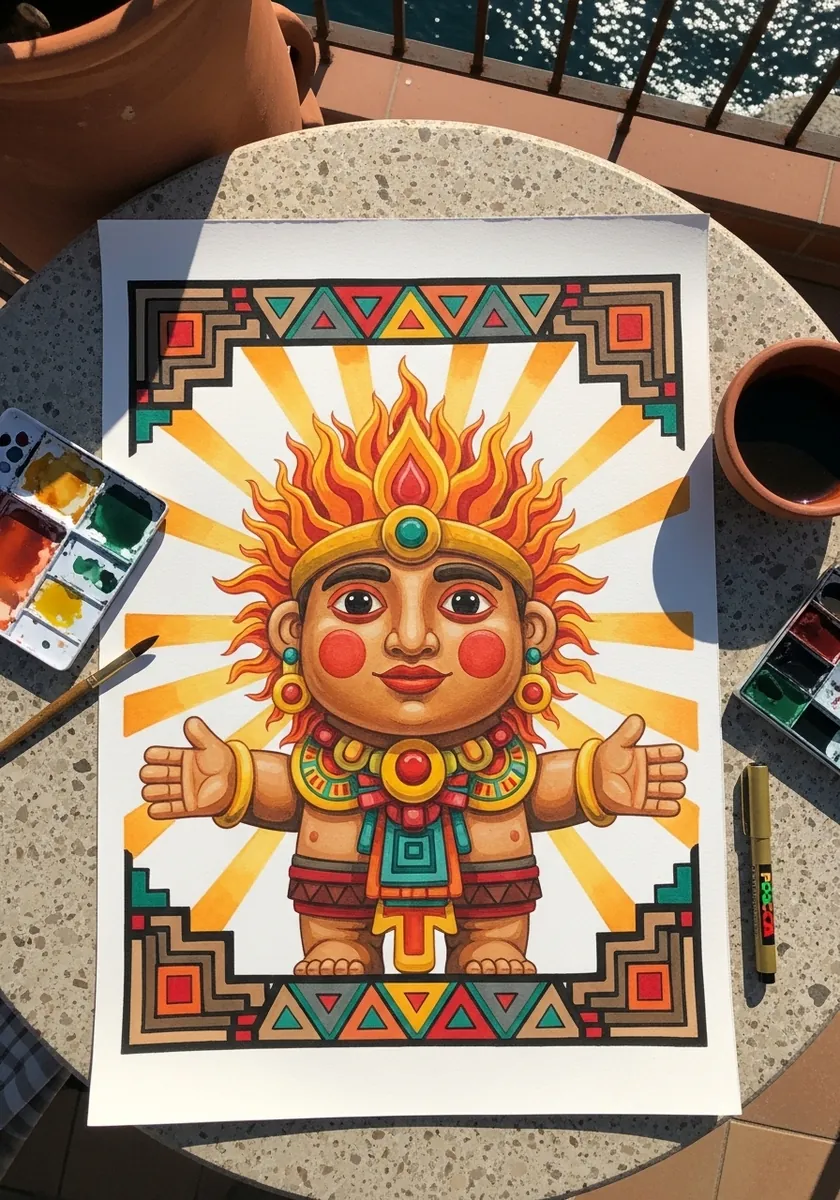
A round-faced sun deity with a flaming headdress stands inside a stepped geometric border in red, teal and gold. Build the border from one repeating motif, keep the figure symmetrical, and let the rays radiate evenly from the center of the face.
26. Gnome Architect with Blueprints
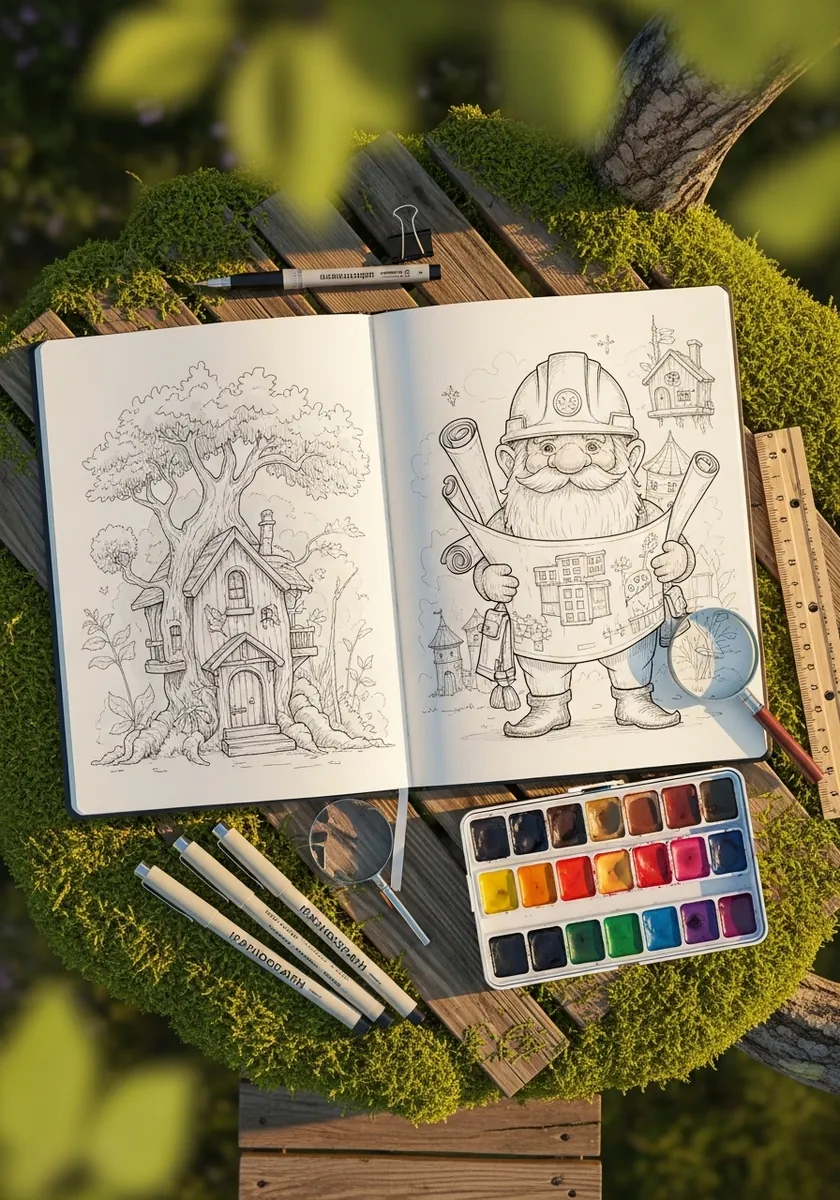
A bearded gnome in a hard hat unrolls a blueprint next to a treehouse, drawn in clean pencil outline. Props tell the story here, so give him a tool belt, a rolled plan and a magnifier and let the pose stay simple.
27. Glowing Chalk Moon Rabbit
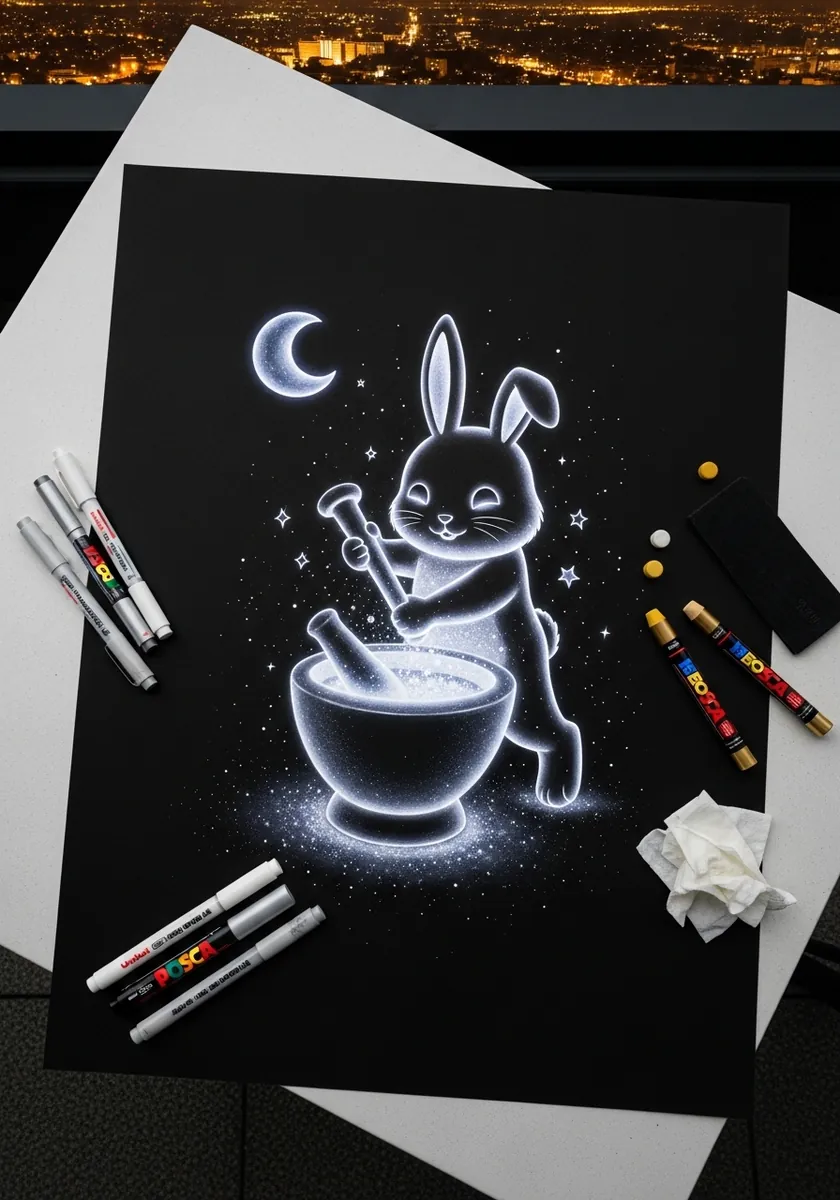
A rabbit pounds a mortar under a crescent moon, drawn in white chalk on black paper with a scattering of stars. Build the glow by layering chalk more heavily at the center and feathering it outward with a finger.
28. Underwater Sea Turtle Explorer
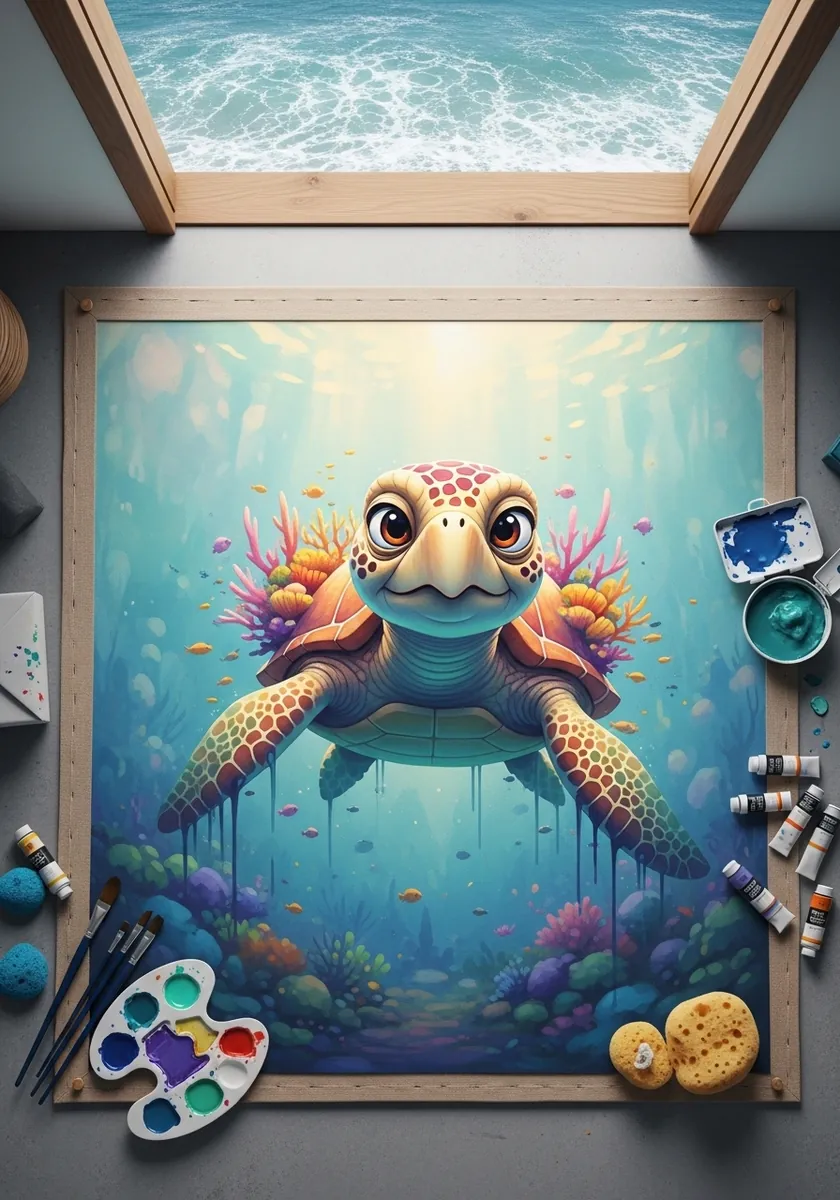
A wide-eyed turtle with a coral-encrusted shell glides through a sunlit reef. Underwater scenes need atmospheric perspective: keep the background pale and low in contrast, and reserve saturated color for the turtle itself.
29. Ninja Bunny with Throwing Stars
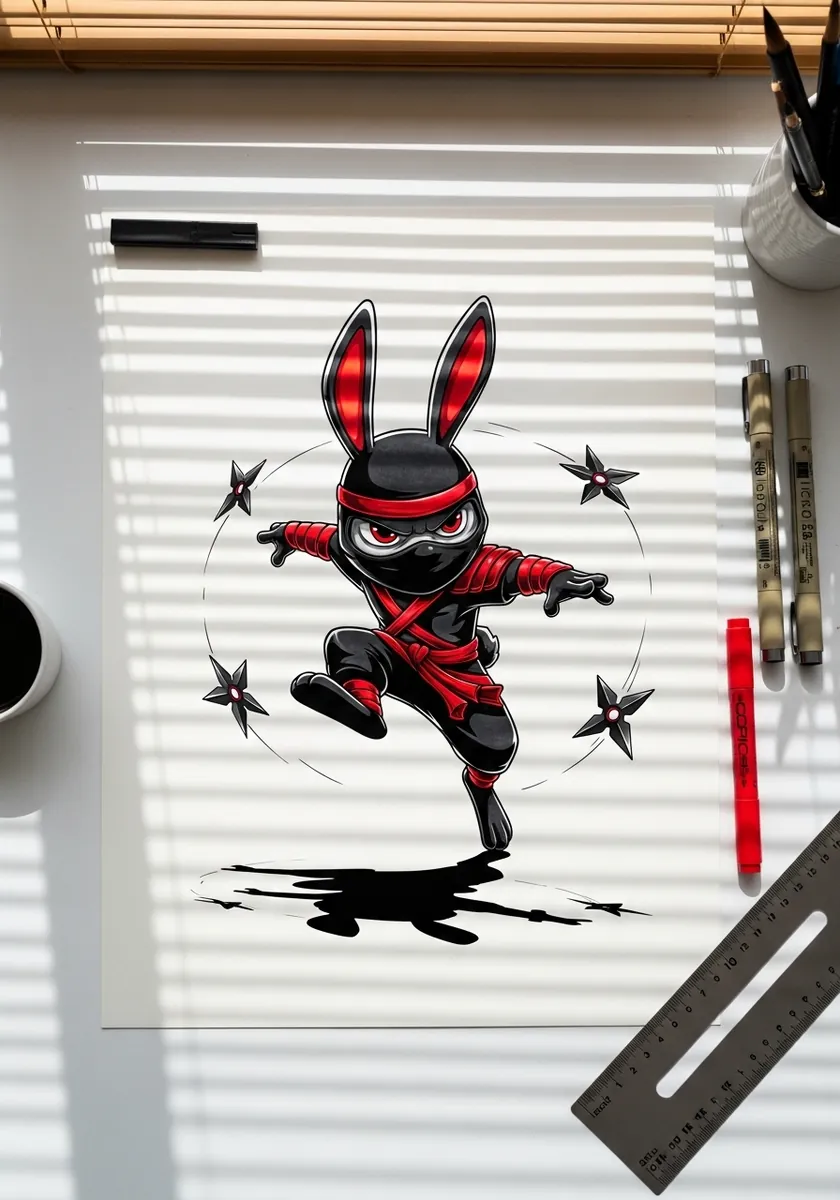
A rabbit in black and red ninja gear leaps mid-air with shuriken spinning around it. The pose does all the work. Draw a strong curved action line first and hang every limb off it, then add a small ink shadow below to fix the jump height.
30. Baby Elephant at a Pottery Wheel
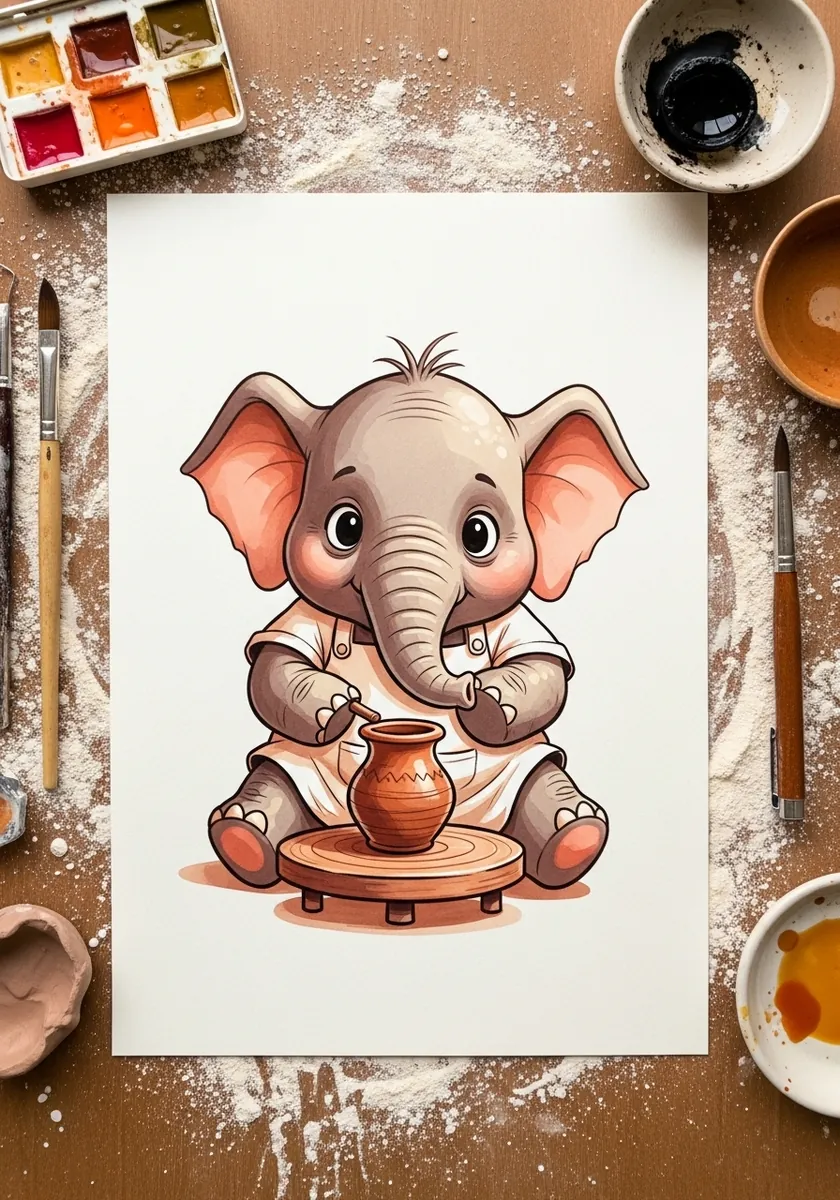
A small elephant in an apron shapes a terracotta pot, drawn in warm grays and browns. Keep the ears large and the limbs short, which is the standard proportion trick for making any animal read as a baby.
31. Gargoyle Photographer in the Rain
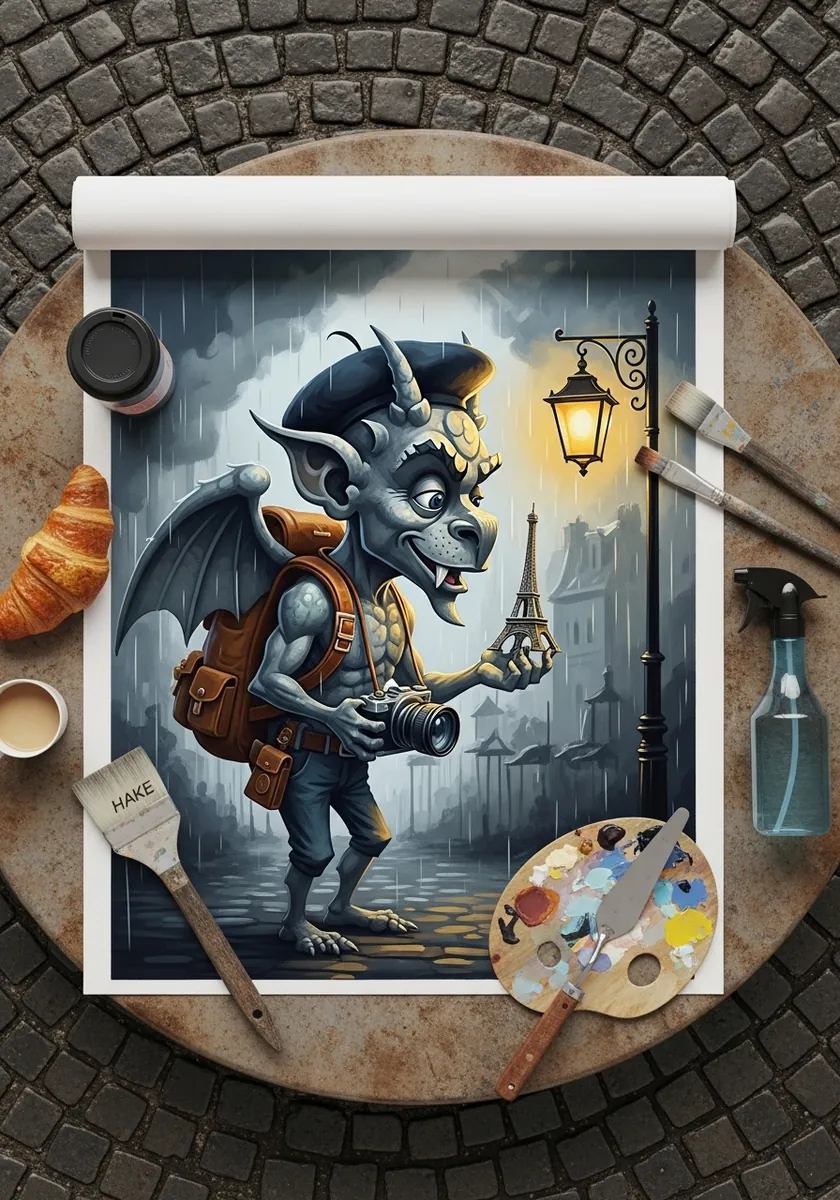
A stone gargoyle with a camera and backpack stands under a glowing street lamp in the rain. Wet surfaces reflect light in vertical streaks, so run the lamp's reflection straight down the cobbles and keep everything else desaturated.
For a character study in a different style, our 20 Spiderman drawing ideas show the same hero in graphite, colored pencil, marker, ink, watercolor and digital paint, which is a useful way to see how one character changes with each medium.
Common Mistakes That Flatten a 3D Cartoon (and the Fix)
- Shadows on both sides. Pick one light direction and shade only the far side. Shadows on both sides cancel each other out.
- No ground shadow. Without a cast shadow, even a well-shaded character floats. Add a small, soft shadow directly beneath it.
- Same value everywhere. Squint test: if the whole drawing is one mid-grey or one flat colour, push the darkest dark and keep the lightest light.
- Details before structure. Eyes, fur, and patterns come last. If the head ball and body bean are wrong, details only decorate the mistake.
For a ready-to-start set, see our guide to the best manga drawing kit for beginners, which covers the pens, pencils, and paper a new manga artist needs.
Frequently Asked Questions
How do you draw a 3D cartoon character for beginners?
Start with simple solid shapes, a ball for the head, a bean for the body, and cylinders for the limbs. Then choose one light source, add a soft shadow on the side away from the light, and add a cast shadow on the ground. That sequence alone makes most beginner cartoons look three-dimensional.
What is the easiest 3D cartoon character to draw first?
A round, chubby character is easiest, because spheres are the most forgiving 3D form. The Clay Style Elephant Painter (idea 19) and the Baby Elephant at a Pottery Wheel (idea 30) are good first picks, since their big round shapes hide small proportion slips.
Do I need special supplies to draw 3D cartoons?
No. A pencil, an eraser, and any colour medium you already own are enough. Watercolor suits ideas 1, 6, and 11, markers suit ideas 7 and 10, and graphite suits ideas 9 and 13. If you are buying watercolor tools, check these watercolor brushes for beginners before you start.
Why does my cartoon still look flat after shading?
Usually one of three things is missing: a single consistent light direction, a cast shadow on the ground, or enough contrast between the lightest and darkest areas. Add the ground shadow first, it is the fastest single fix, then darken only the core shadow.
Can kids draw these 3D cartoon characters?
Yes, especially the rounder animals such as the baby dragon, the astronaut teddy bear, and the baby elephant. For younger artists, these cute animal drawing ideas for kids use the same big-shape approach with simpler steps.
How can I practise 3D form beyond these 31 ideas?
Redraw one character in a different medium, for example the same cat in graphite, then in marker, then in watercolor. Comparing the three versions teaches you more about form than three new characters do. These 3D pencil art cat ideas and gummy bear character ideas are good next practice sets, because translucent and glossy forms force you to think about light.
Keep Drawing
Finished your first character? Try a different medium on the same idea, then move on to the clay style characters or the fox characters next. Small daily practice, one character and one light source at a time, builds the 3D instinct faster than any single long session.