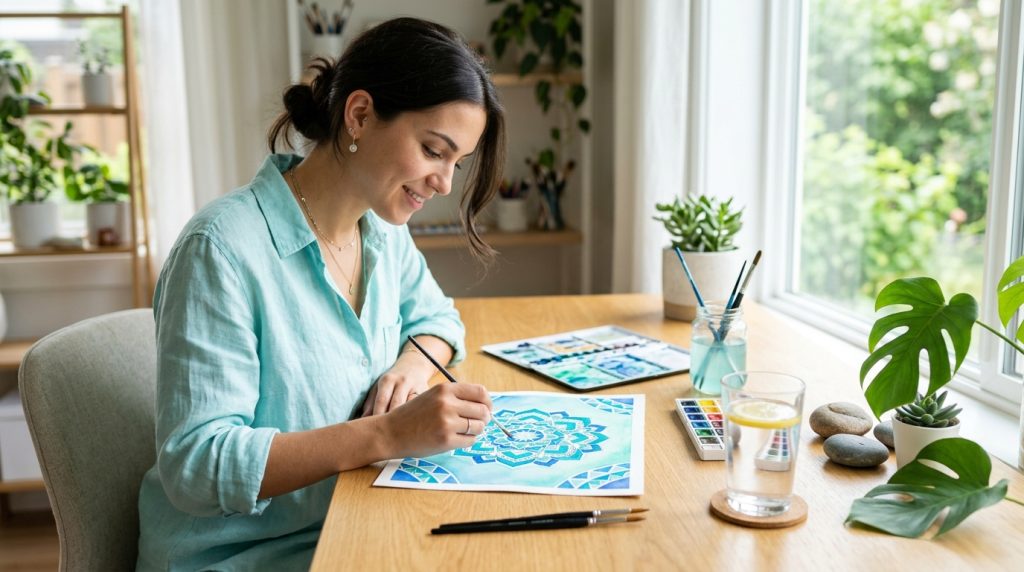
Short answer: Yes, you can draw a beautiful mandala today, even if you have never drawn one before. A mandala is simply a circular pattern built from dots, lines, and simple shapes repeated around a centre point. Start with the dot mandala (idea 1) or the floral petal mandala (idea 2), sketch a light pencil grid first, and work one ring at a time. Most beginners finish their first mandala in about 20 to 30 minutes.
What you will find here: 20 easy mandala art ideas for beginners, each with a picture and a short how-to, plus a 6-step method for your very first mandala, a picker table so you can choose by time and tools, pro tips, and answers to the questions beginners ask most.
What you need to start: plain paper, a pencil, an eraser, a ruler, a compass, and one black fineliner pen. That is it. Everything else in this guide is optional.
In this guide
- 1. Simple Dot Mandala with Acrylic Paint
- 2. Classic Floral Petal Mandala
- 3. Geometric Line Mandala
- 4. Half-Circle Mandala Border
- 5. Vibrant Rainbow Gel Pen Mandala
- 6. Nature-Inspired Leaf and Vine Mandala
- 7. Symmetrical Heart-Themed Mandala
- 8. Minimalist Black and White Fineliner Mandala
- 9. Starburst Mandala with Sharp Angles
- 10. Celestial Sun and Moon Mandala
- 11. Elegant Waterdrop Motif Mandala
- 12. Swirling Spiral Mandala
- 13. Lace-Like Detailed Mandala
- 14. Colorful Watercolor Background Mandala
- 15. Mandala inside a Silhouette
- 16. Charcoal Shaded Mandala
- 17. Metallic Gold and Silver Mandala on Black Paper
- 18. Mandala with Quote/Text in the Center
- 19. 3D Optical Illusion Mandala
- 20. Abstract Freeform Mandala
Mandala art is more than just a beautiful design; it is a deeply meditative and relaxing form of self-expression. Rooted in ancient traditions, the word “mandala” comes from Sanskrit, meaning “circle.” Drawing these repetitive, symmetrical patterns can help reduce stress, improve concentration, and unlock your creative potential.
If you have ever looked at complex mandalas and thought, “I could never draw that,” think again! The secret to mandalas is that they are built from very simple shapes—lines, dots, circles, and loops. By combining these basic elements in a structured grid, you can create breathtaking designs. If you want to explore more creative paths, you might also enjoy our guides on watercolor drawing ideas to blend color and form.
In this guide, we have compiled 20 easy mandala art ideas perfect for beginners. Whether you are using a simple pencil, colorful gel pens, or fine liners, these ideas will inspire you to grab your drawing tools and start creating. Let’s dive in!
The word mandala comes from Sanskrit, meaning circle, and mandalas have been used for centuries as symbolic diagrams in Hindu and Buddhist traditions, representing the universe and serving as aids to meditation. You do not need to know any of that history to draw one, but it explains why the slow, circular rhythm feels so calming: the pattern itself is designed to hold your attention on one point at a time. For a fuller background, see the Mandala article on Wikipedia.
Your First Mandala in 6 Steps
Every mandala below follows the same basic method. Learn it once, and all 20 ideas become easier.
1
Draw the grid lightly. With a compass, draw 3 to 5 concentric circles. With a ruler, draw 2 diagonal lines crossing at the centre, plus a horizontal and a vertical line, so the circle is split into 8 equal slices. These pencil lines are your guide, not part of the final art.
2
Start at the centre. Fill the smallest circle first: one dot, a tiny flower, or a small star. A tidy centre makes the whole mandala look balanced, even if the outer rings are simple.
3
Work one ring at a time. Choose one simple shape per ring, such as petals, dots, or triangles, and repeat it in every slice before moving outward. Finish a whole ring before starting the next one.
4
Alternate the shapes. Put a busy ring (tiny dots or lace) next to a calm ring (plain petals or a thick line). The contrast is what makes a mandala look detailed without extra effort.
5
Ink, then erase. Go over your pencil lines with a black fineliner, let the ink dry for a minute, then erase the pencil grid gently. Colour only after the ink is fully dry, or it will smudge.
6
Stop one ring early. Beginners usually overfill the outer edge. Leaving the last ring simple, or leaving a little white space, keeps the design clean and finished-looking.
Common beginner mistake: pressing hard with the pen on the first ring. A light hand keeps lines smooth, and a shaky line can simply become the next ring’s pattern. Nobody looking at the finished mandala will know.
Which Mandala Should You Try First?
Pick by how much time you have and what is already in your pencil case. There is no wrong first choice, but these four are the most forgiving.
| If you have… | Try this idea | Why it works |
|---|---|---|
| 20 minutes and any pen | 8. Minimalist Black and White Fineliner Mandala | One pen, no colour decisions, and every line counts. |
| 30 minutes and paints | 1. Simple Dot Mandala with Acrylic Paint | Dots need no drawing skill at all, and look impressive fast. |
| 30 minutes and gel pens | 5. Vibrant Rainbow Gel Pen Mandala | Colour does the work; the shapes stay simple. Our gel pens guide can help if you are buying your first set. |
| An hour and patience | 13. Lace-Like Detailed Mandala | Slow and detailed, best saved until you have finished one simple mandala first. |
If you are still choosing paper, a smooth, thick sketchbook page stops fineliner ink from bleeding through. See our best sketchbooks for beginners guide before you buy.
1. Simple Dot Mandala with Acrylic Paint
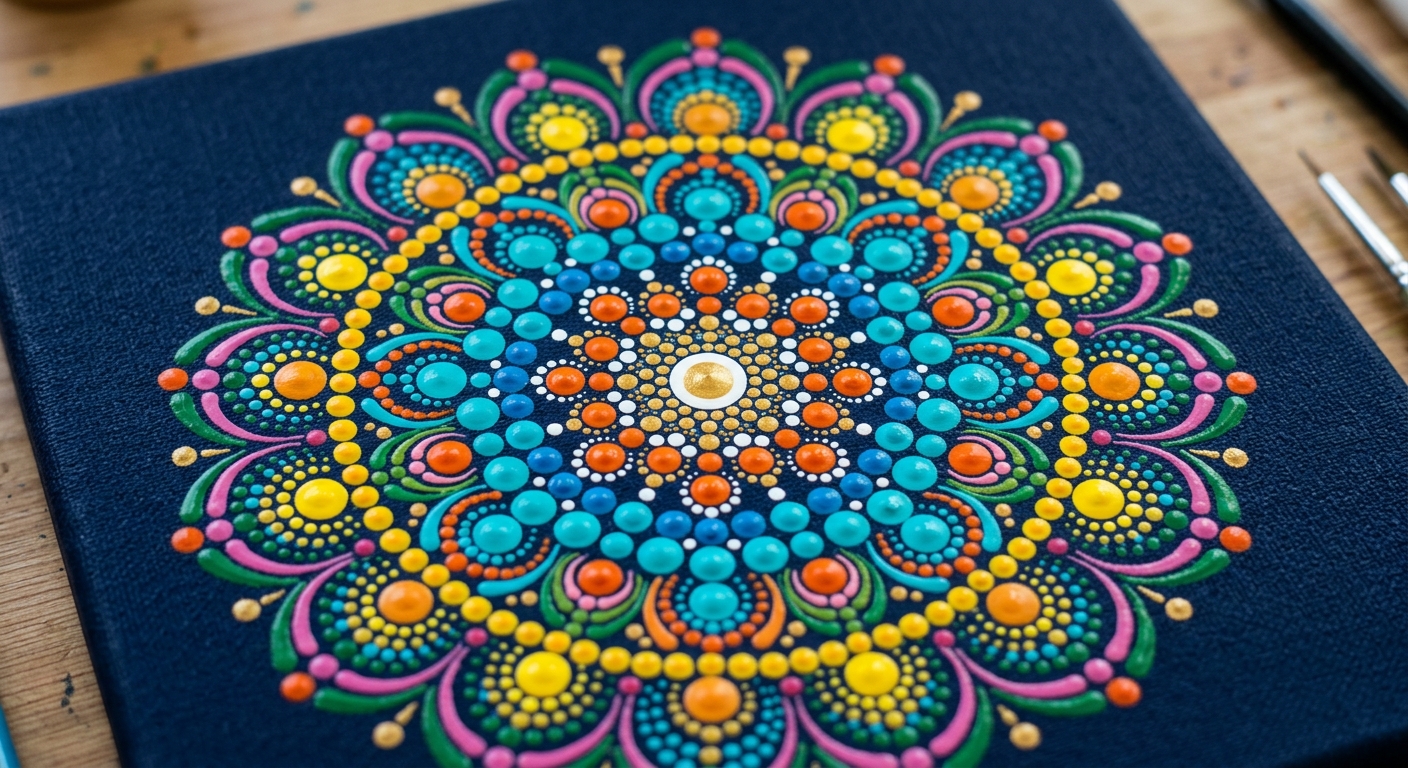
Dot mandalas are incredibly satisfying and require absolutely no sketching skills. Instead of drawing continuous lines, you build the entire pattern using dots of various sizes. You can use specialized dotting tools, the flat end of a paintbrush, or even the eraser tip of a pencil. Start with one large dot in the center, and then wrap concentric circles of smaller dots around it. Using acrylic paint on a dark background makes the colors pop beautifully.
2. Classic Floral Petal Mandala
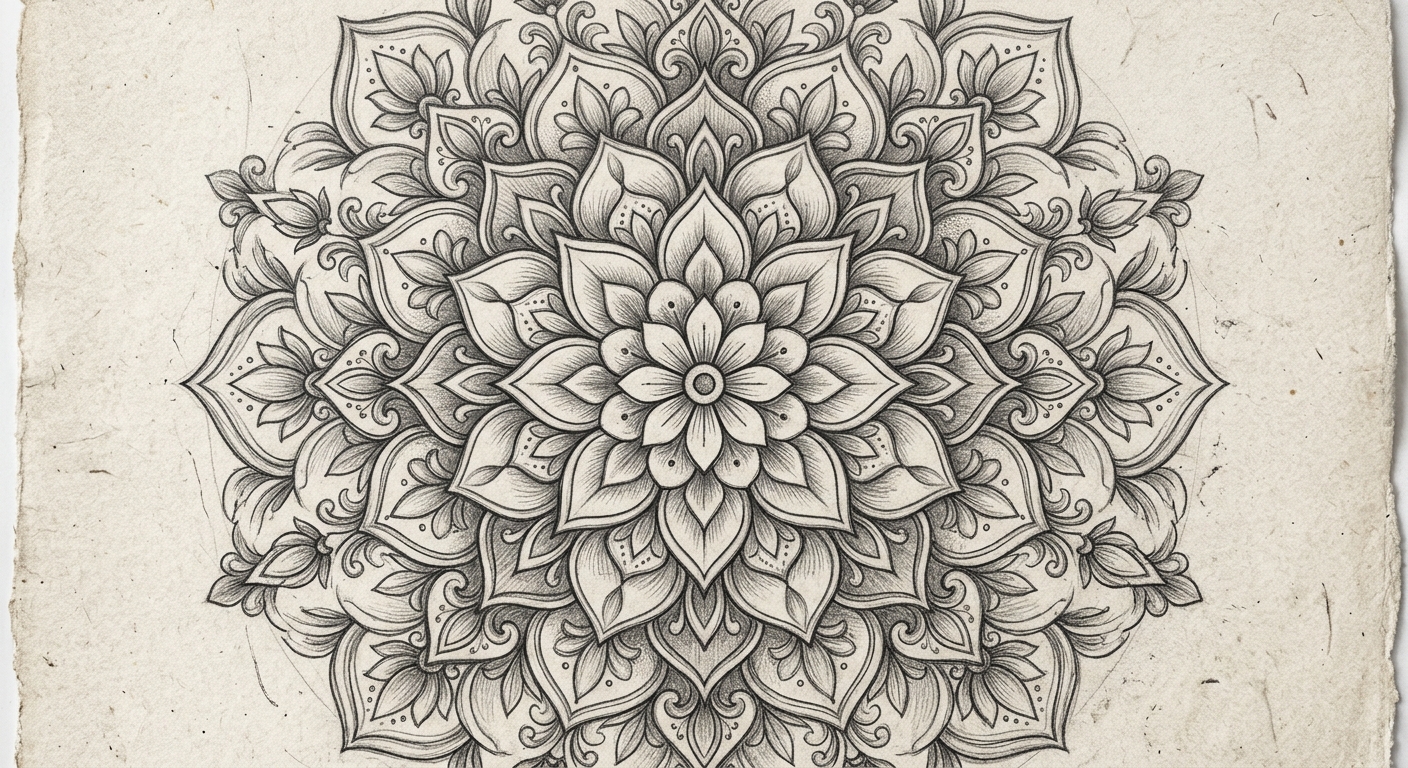
Flowers and mandalas are a match made in heaven. For this design, start by drawing a small circle in the center, then add a layer of simple, rounded flower petals around it. For the next ring, draw slightly larger petals that nestle between the gaps of the first layer. Continue expanding outwards, changing the petal shapes from rounded to pointed or wavy to add variety. This natural, organic design is incredibly forgiving for beginners.
3. Geometric Line Mandala
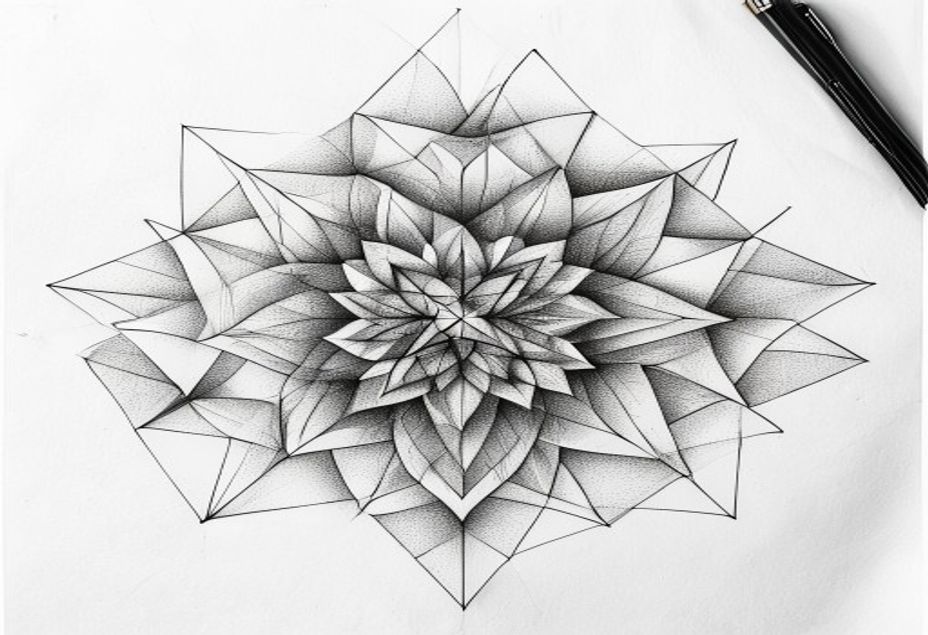
If you prefer clean lines and sharp angles, a geometric mandala is the perfect choice. Using a ruler and a compass, draw a precise grid of concentric circles and intersecting diagonal lines. Instead of soft curves, fill each section with straight lines, triangles, diamonds, and chevron patterns. This style looks exceptionally modern and crisp when drawn with a fine-tip black pen on smooth white paper.
4. Half-Circle Mandala Border
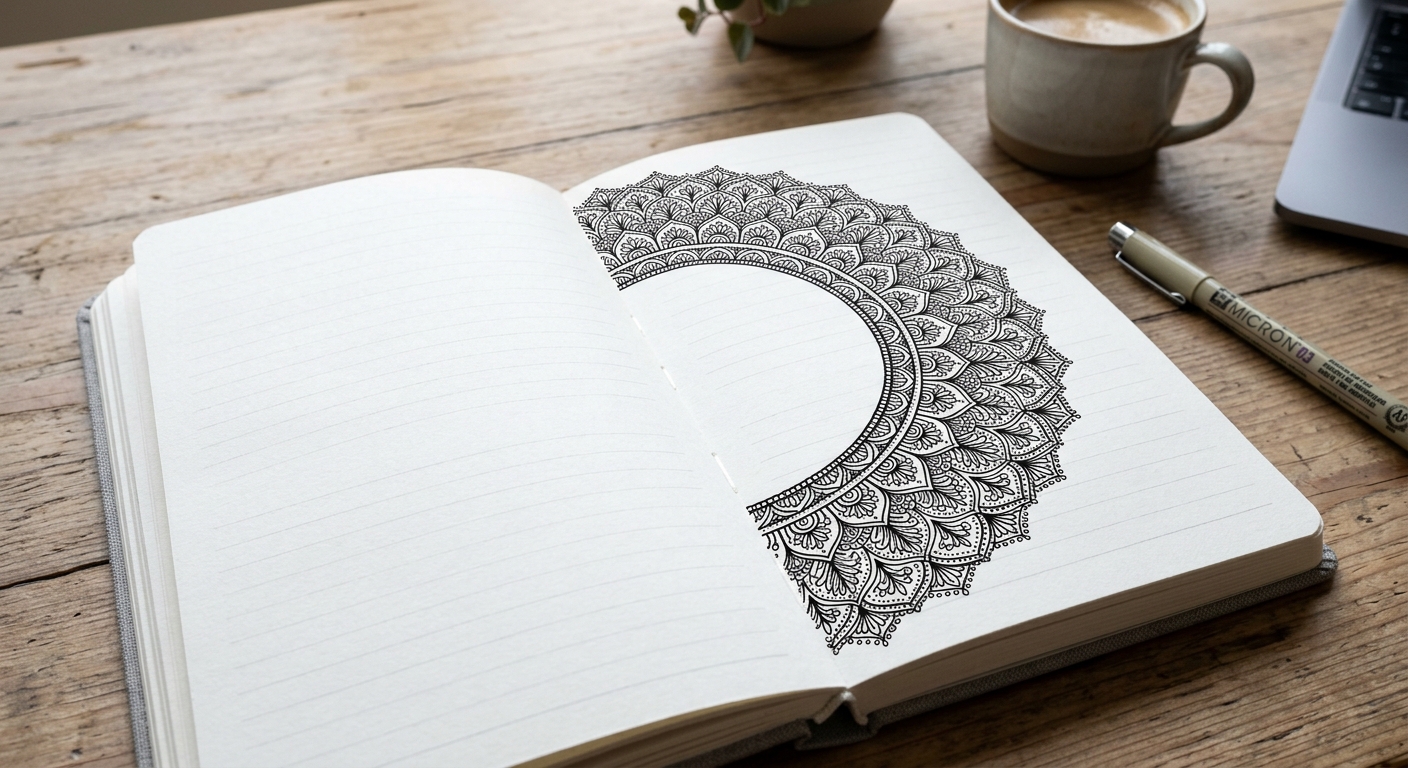
You don’t always have to draw a full circle! A half-circle mandala is perfect for decorating the borders of cards, journals, or letters. Draw a semi-circle along the edge of your page and build your layers outwards from that flat baseline. It creates a stunning frame-like effect and takes less time than a full circular mandala, making it a quick and rewarding project.
5. Vibrant Rainbow Gel Pen Mandala
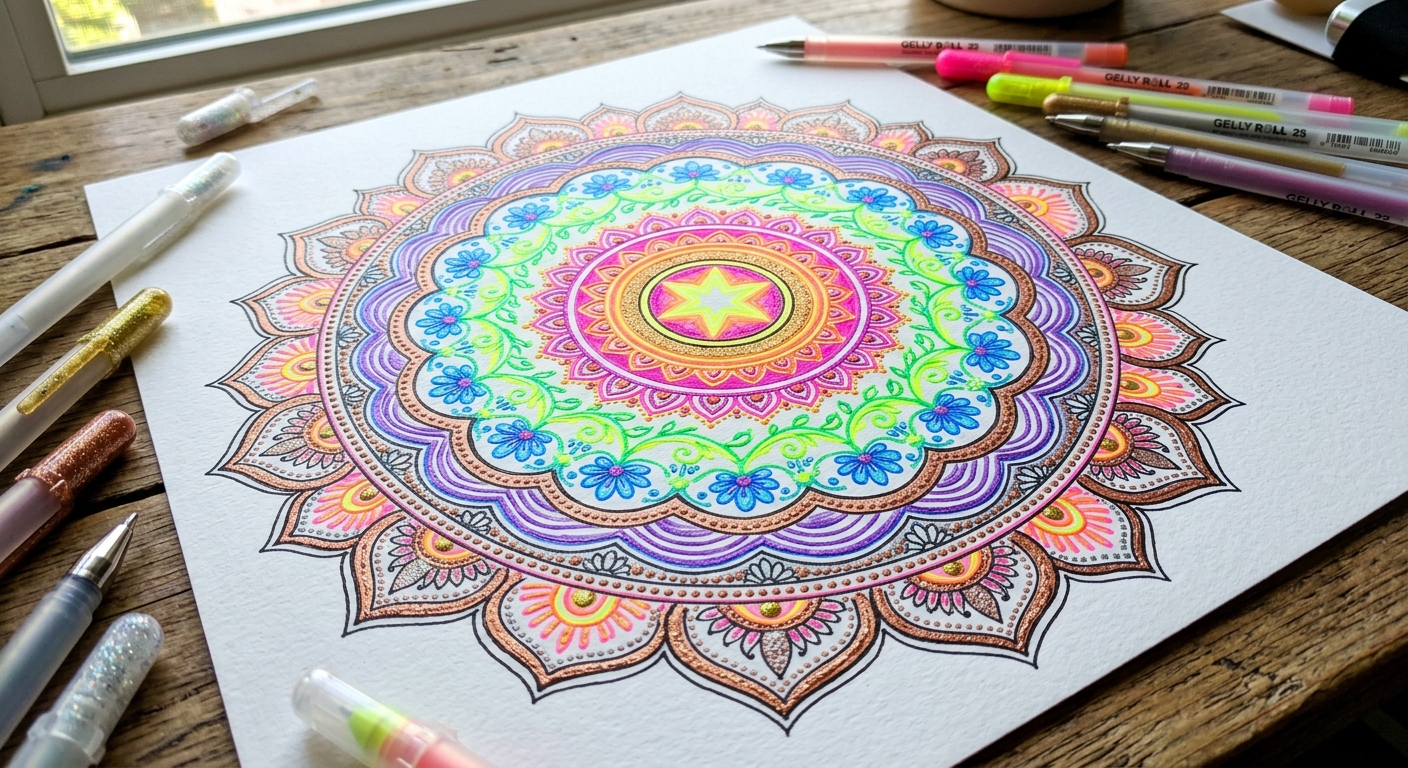
Bring your mandalas to life with a burst of color. Use a set of multi-colored gel pens (metallic, neon, or glitter pens work wonderfully) to draw each concentric ring in a different shade of the rainbow. Start with red or pink in the very center, and transition through orange, yellow, green, blue, and purple as you expand. The smooth ink of gel pens makes the repetitive drawing process feel like pure therapy.
6. Nature-Inspired Leaf and Vine Mandala
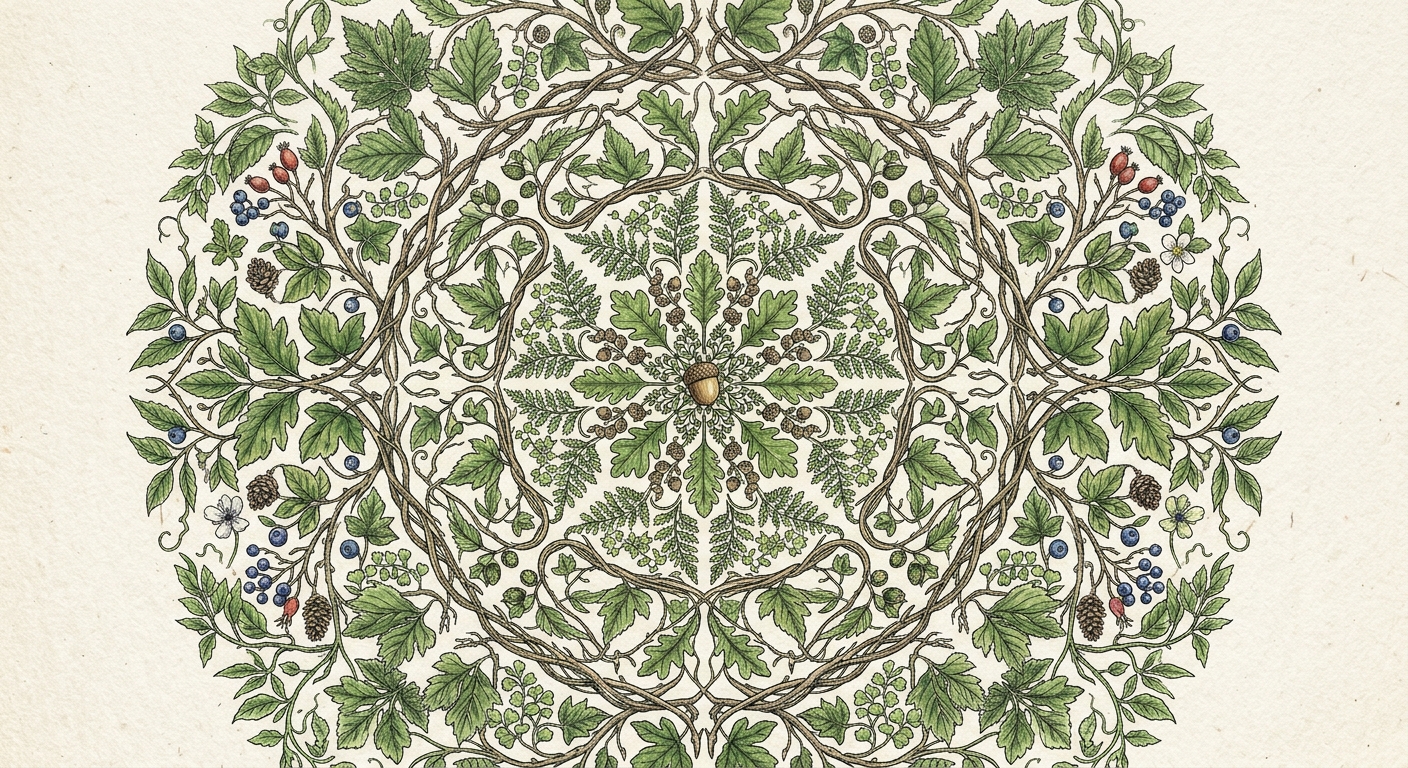
Incorporate the beauty of the outdoors into your art by using leaves, vines, and tiny branches as your primary repeating motifs. Instead of standard geometric shapes, draw delicate ivy leaves, fern fronds, or spiraling vines radiating from the center. You can color this mandala with shades of forest green, sage, and earthy brown to emphasize the organic, botanical theme.
7. Symmetrical Heart-Themed Mandala
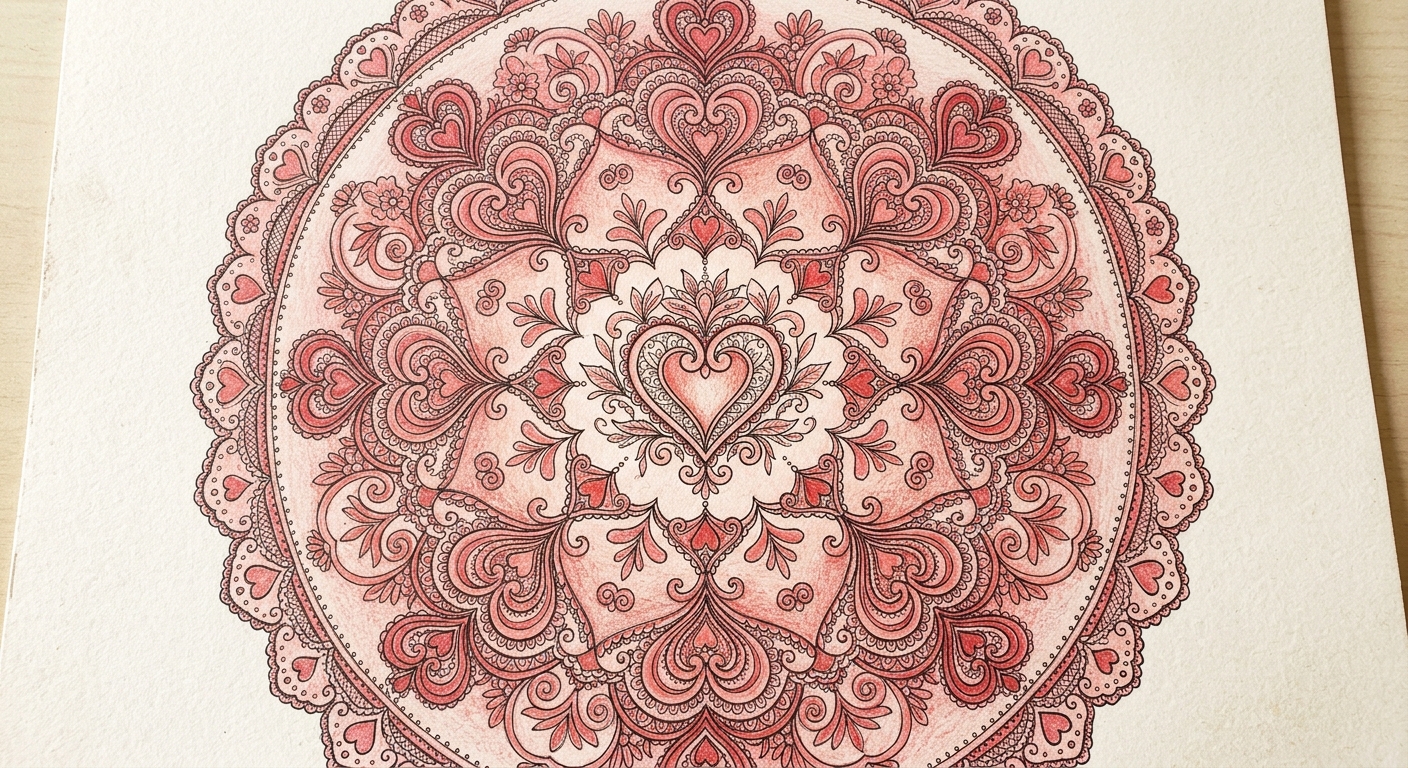
Perfect for Valentine’s Day, anniversaries, or just to spread some love, a heart mandala uses symmetrical heart shapes as the repeating pattern. You can draw hearts pointing outwards from the center, or nestle them sideways within the circular grids. Combine these with delicate lace patterns and soft pink or red shading to create a warm, charming piece of art.
8. Minimalist Black and White Fineliner Mandala
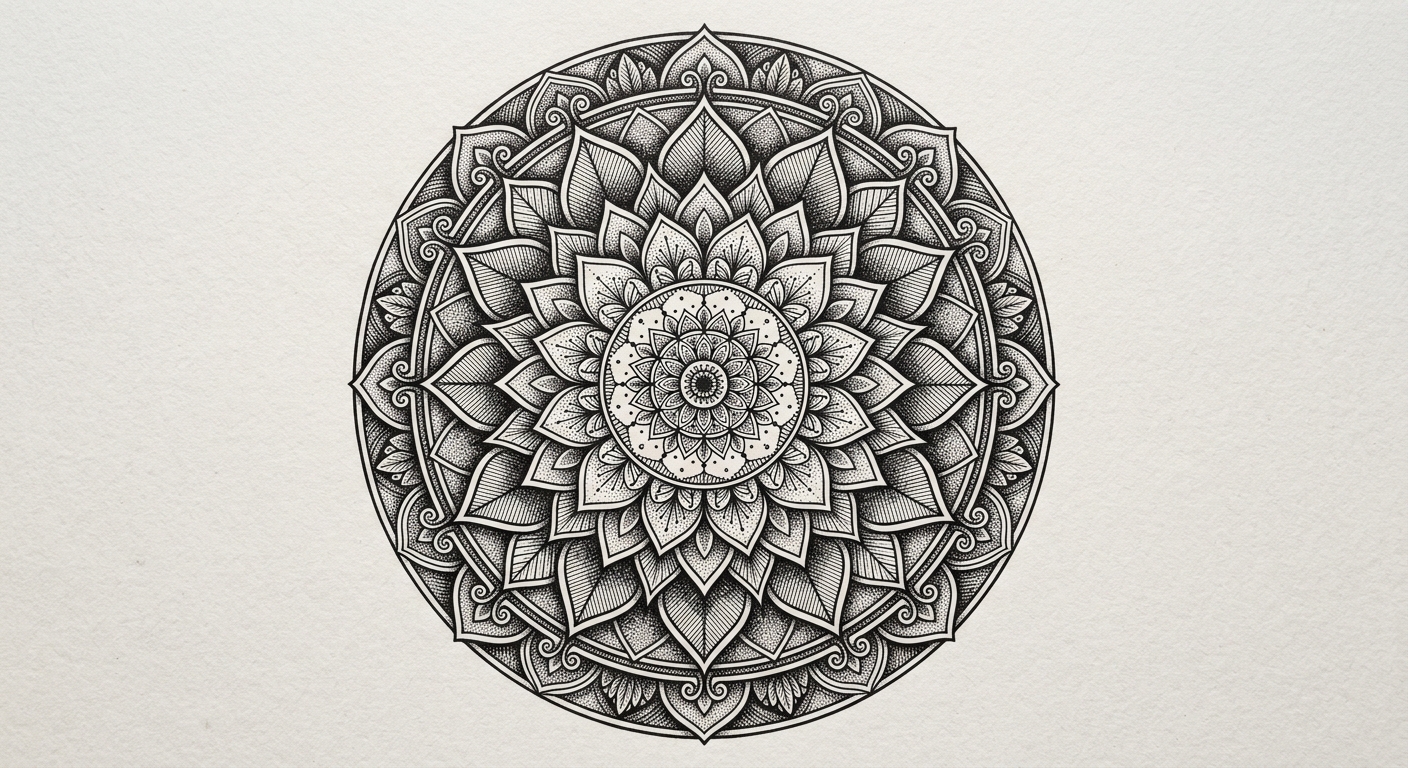
Sometimes, less is more. A black and white mandala drawn with fine-tip pens (like 0.1mm to 0.5mm liners) offers a classic, high-contrast look. Focus on varying the thickness of your lines and using techniques like stippling (dot shading) or hatching (fine parallel lines) to create depth. The contrast between solid black fills and clean white spaces makes the design look incredibly professional.
9. Starburst Mandala with Sharp Angles
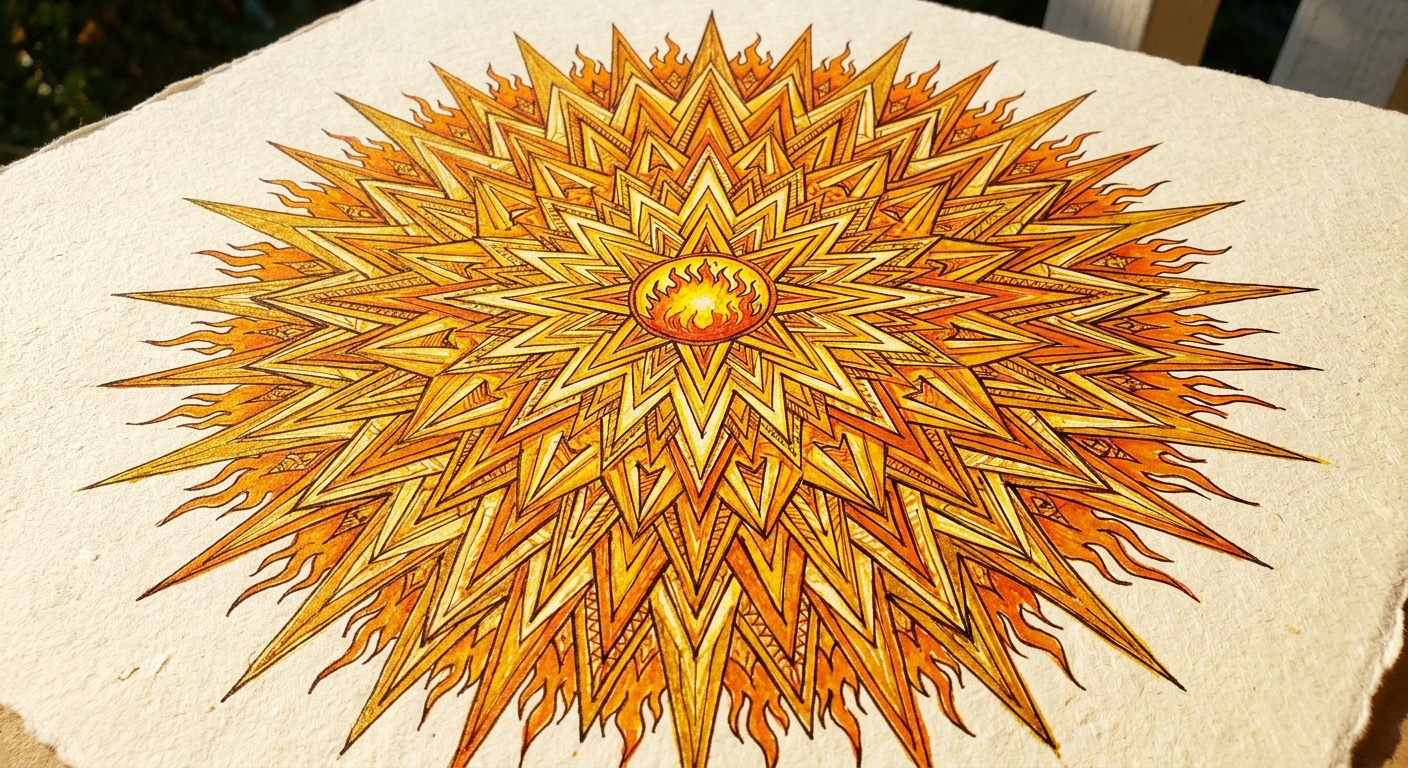
Create a dynamic, high-energy mandala by focusing on star shapes. Start with a central four-pointed or eight-pointed star, and let the outer layers mimic this starburst pattern. Use sharp, elongated triangles that radiate outwards like rays of sun. This design has a powerful visual impact and looks fantastic when colored with bright golden, yellow, and orange hues.
10. Celestial Sun and Moon Mandala
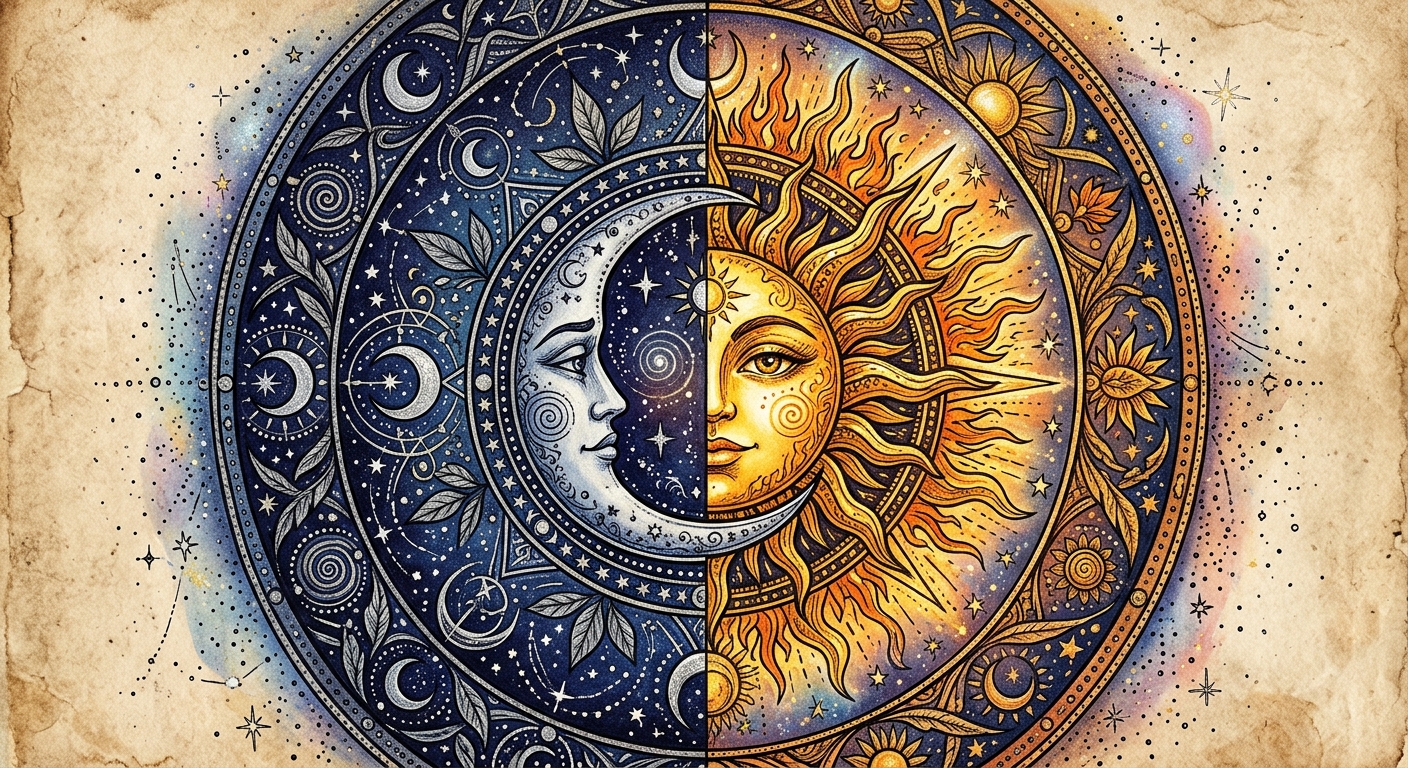
Combine cosmic elements by drawing a stylized sun and crescent moon in the center of your mandala. You can split the central circle in half, drawing a sleeping moon on one side and a radiant sun on the other. Surround this celestial center with traditional mandala rings filled with stars, clouds, and wind swirls. It adds a mystical, storytelling element to your artwork.
11. Elegant Waterdrop Motif Mandala
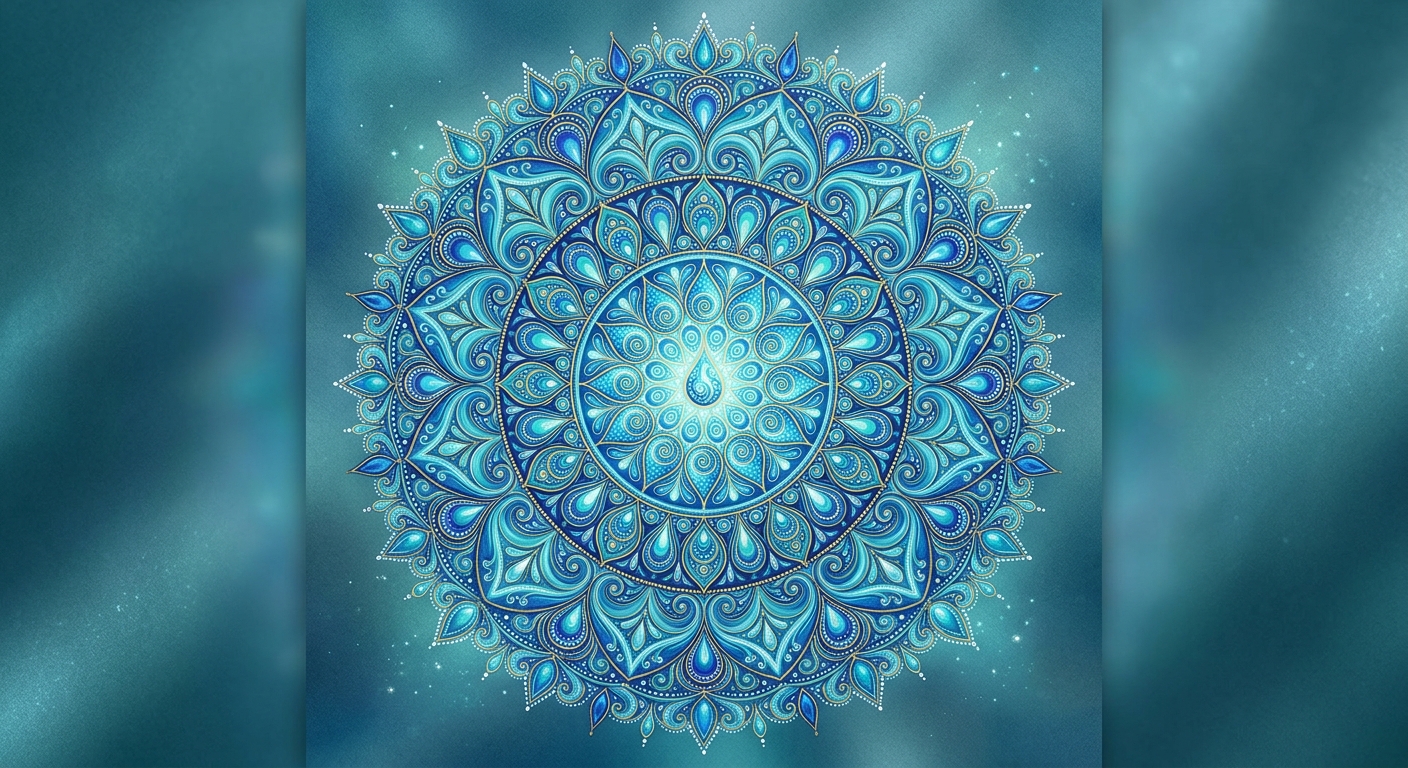
Waterdrops or teardrop shapes (also known as paisley elements) are incredibly elegant and easy to draw. For this mandala, make teardrops your primary shape. You can draw them dripping outwards, or arrange them in interlocking circular chains. The smooth, flowing curves of the waterdrop motif create a sense of movement and fluid grace within the circle.
12. Swirling Spiral Mandala
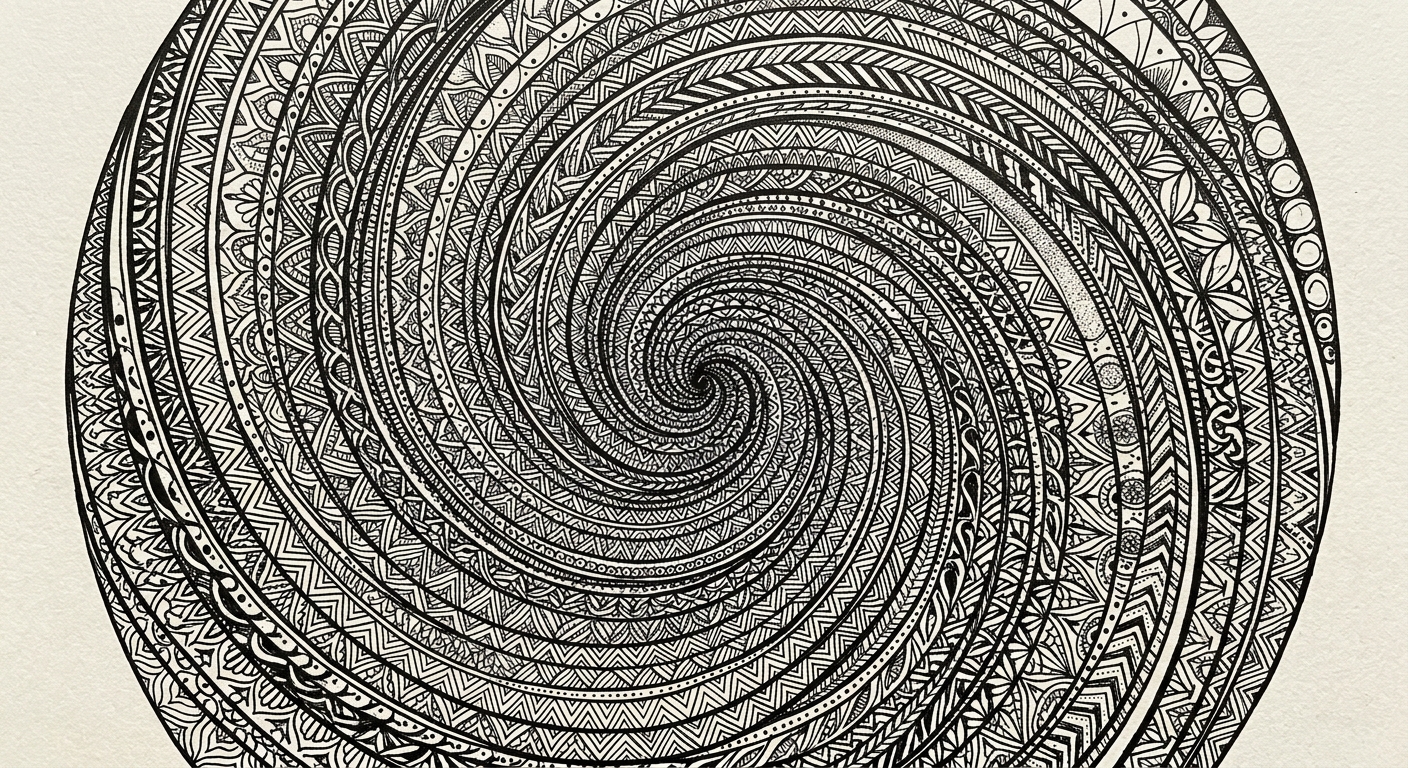
Break the traditional static symmetry by introducing spirals. Start with a spiral line winding outwards from the center instead of a simple dot. Then, build your mandala patterns along this spiral path. This creates a mesmerizing, hypnotic optical illusion that draws the viewer’s eye inward and makes your artwork feel alive with motion.
13. Lace-Like Detailed Mandala
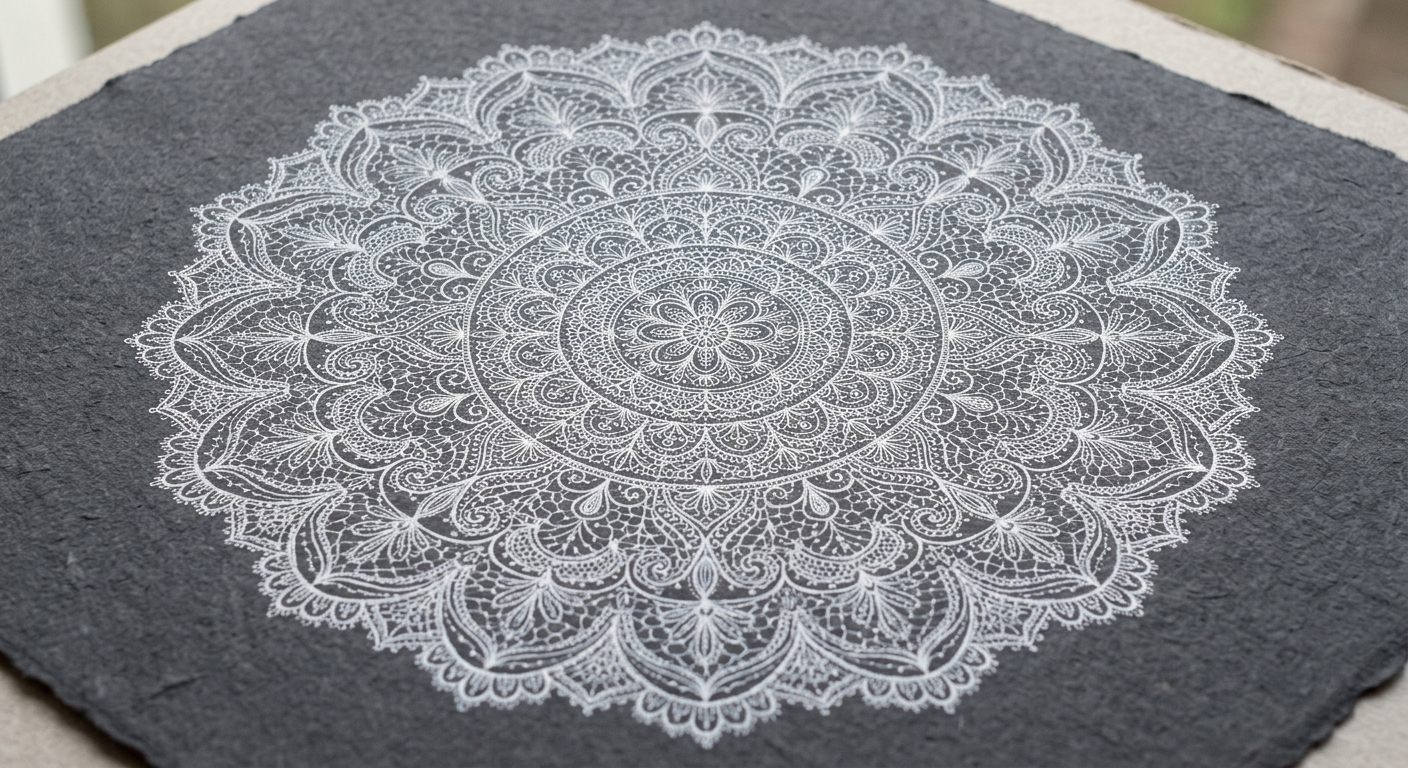
This design is all about micro-details. By drawing very thin, delicate lines and loops close together, you can create a pattern that resembles fine lace fabric. Using a white gel pen or a thin paint marker on dark grey or black paper makes the intricate details stand out like real lace. It is a slow, meditative process that yields incredibly sophisticated results.
14. Colorful Watercolor Background Mandala
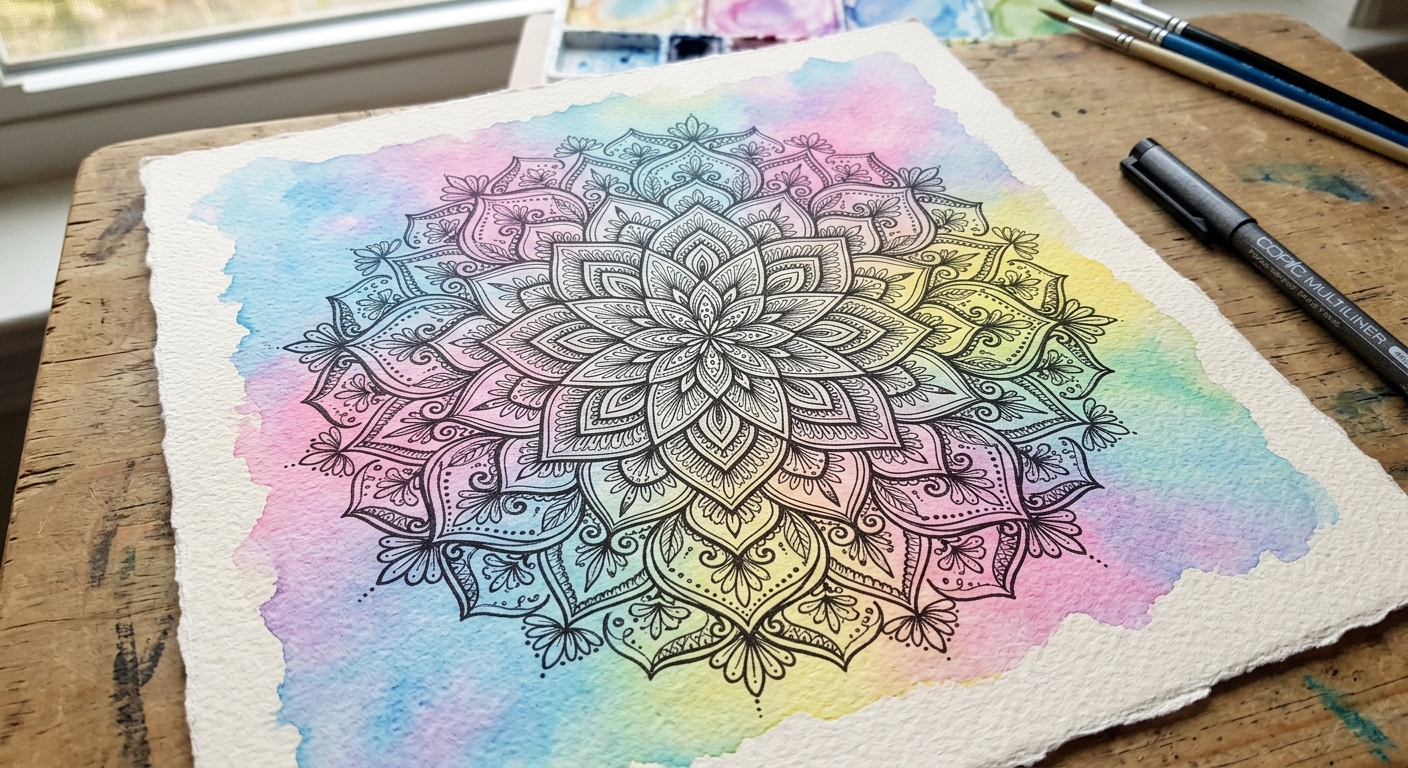
Instead of coloring inside the lines, paint the background first! Wet your paper and apply a colorful wash of watercolors, letting the shades blend naturally. Once the paper is completely dry, use a black fineliner or gel pen to draw your mandala directly over the watercolor wash. The contrast between the soft, bleeding background colors and the sharp black ink is breathtaking.
15. Mandala inside a Silhouette
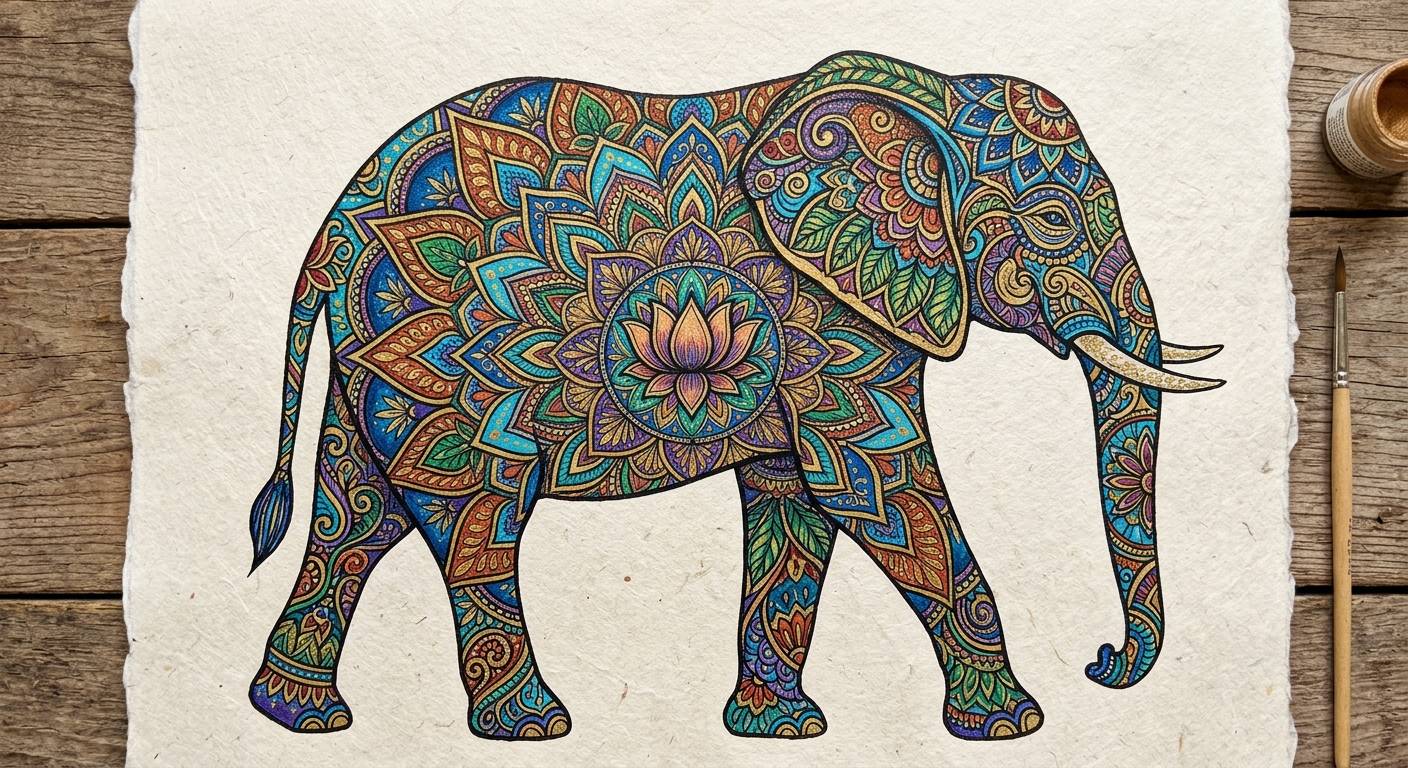
Who says mandalas must stay in a circle? Try drawing the outline of a beautiful silhouette—like an elephant, a butterfly, or a tree. Then, fill the entire inside of that silhouette with detailed mandala patterns. This unique fusion of shape and symmetry makes for a highly creative and visually striking piece of art.
16. Charcoal Shaded Mandala
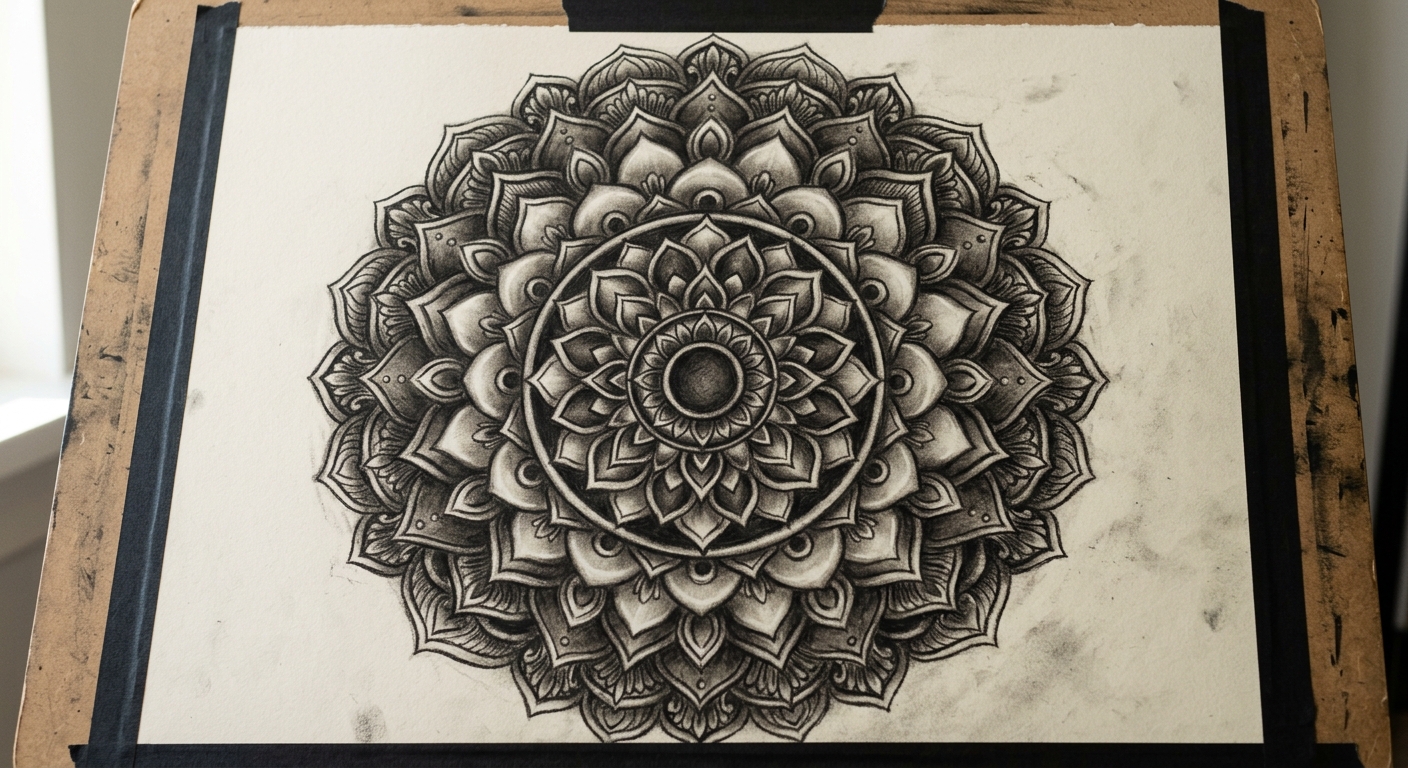
If you love sketching, try creating a charcoal-shaded mandala. Draw your basic concentric rings and patterns, then use charcoal pencils and blending stumps to add soft shadows under the overlapping layers. This shading technique creates a beautiful 3D effect, making parts of the mandala look like they are rising or sinking into the paper.
17. Metallic Gold and Silver Mandala on Black Paper
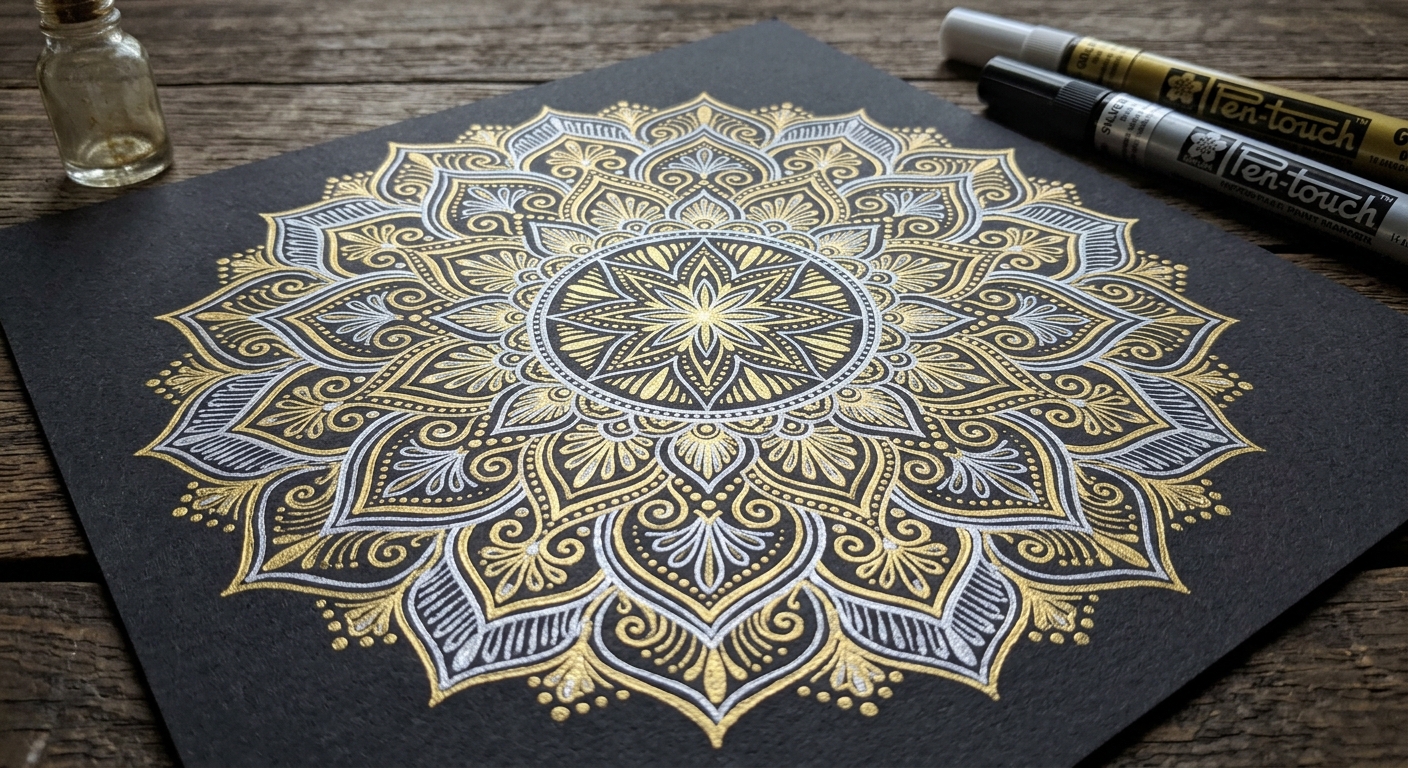
Nothing looks more luxurious than gold and silver on a dark background. Grab a sheet of matte black cardstock and use metallic paint markers or gel pens to draw your mandala. The shiny, reflective ink catches the light at different angles, making the entire design shimmer and look incredibly high-end and premium.
18. Mandala with Quote/Text in the Center
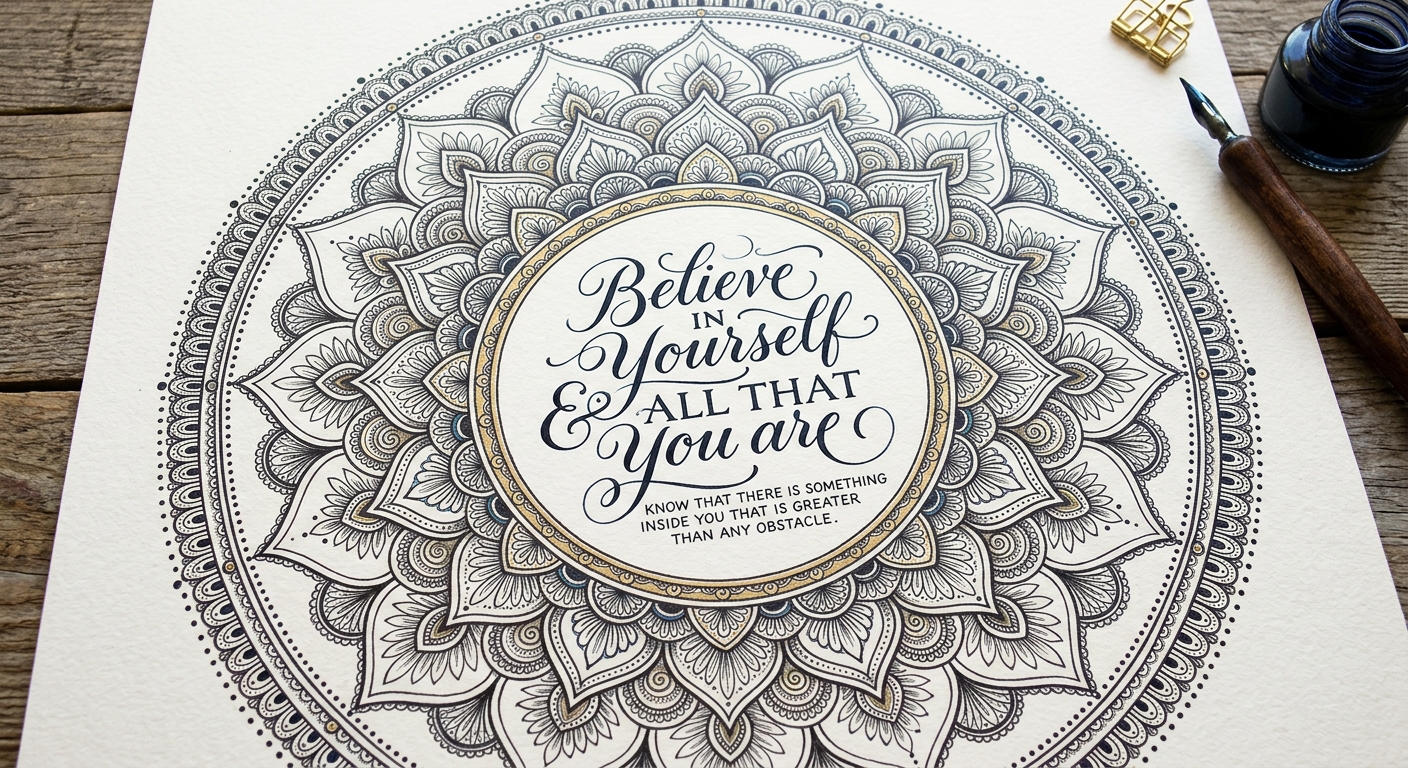
Combine the beauty of calligraphy with the symmetry of mandalas. Leave a large, clean circle in the very center of your mandala and write a motivational word or quote inside it (like “Breathe,” “Peace,” or “Create”). Then, surround the text with beautiful, radiating patterns that guide the viewer’s eye directly to your words of wisdom.
19. 3D Optical Illusion Mandala
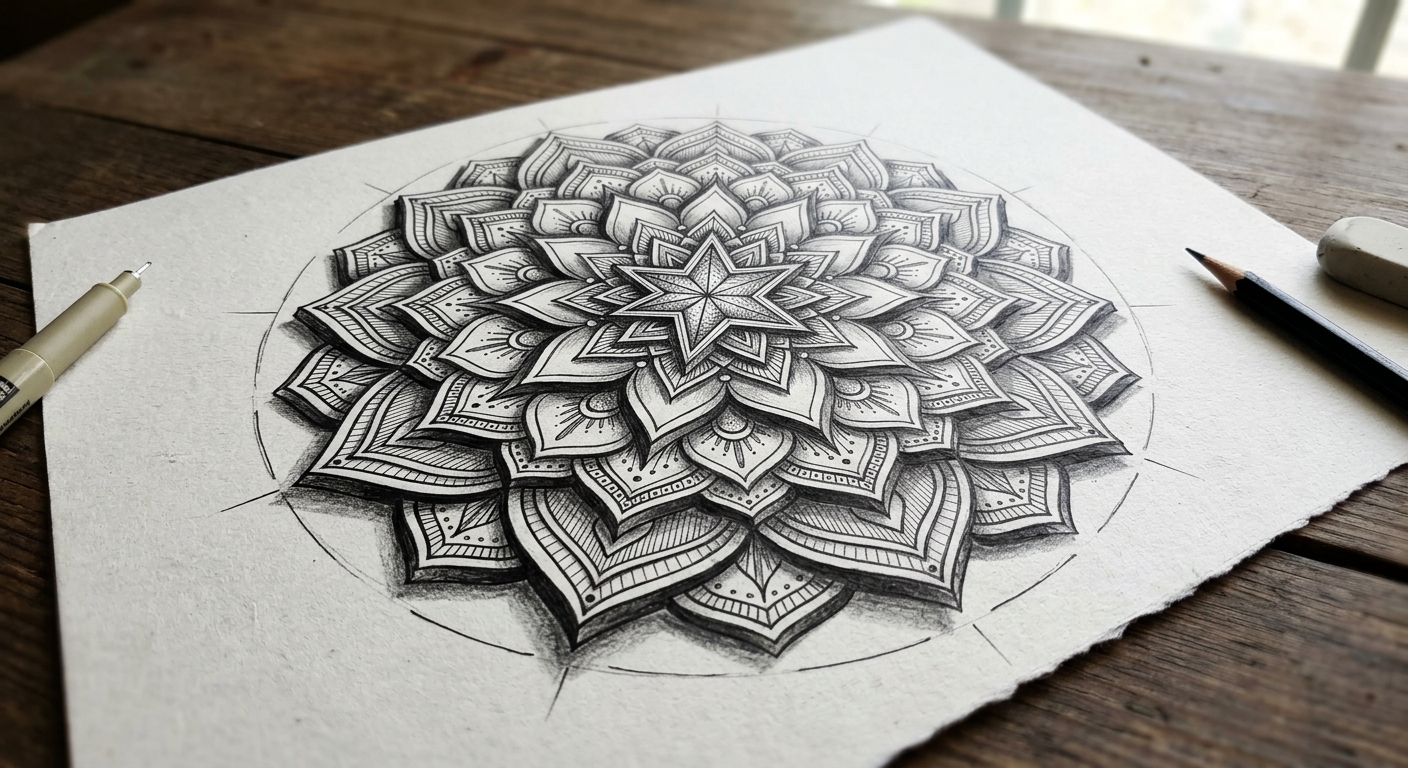
Create a mind-bending piece of art by utilizing clever 3D shading. By drawing curved lines that mimic spheres and adding dark shadows in the crevices, you can make your mandala look like it is popping off the flat sheet of paper. This is a fun and challenging style that will leave everyone wondering how you did it!
20. Abstract Freeform Mandala
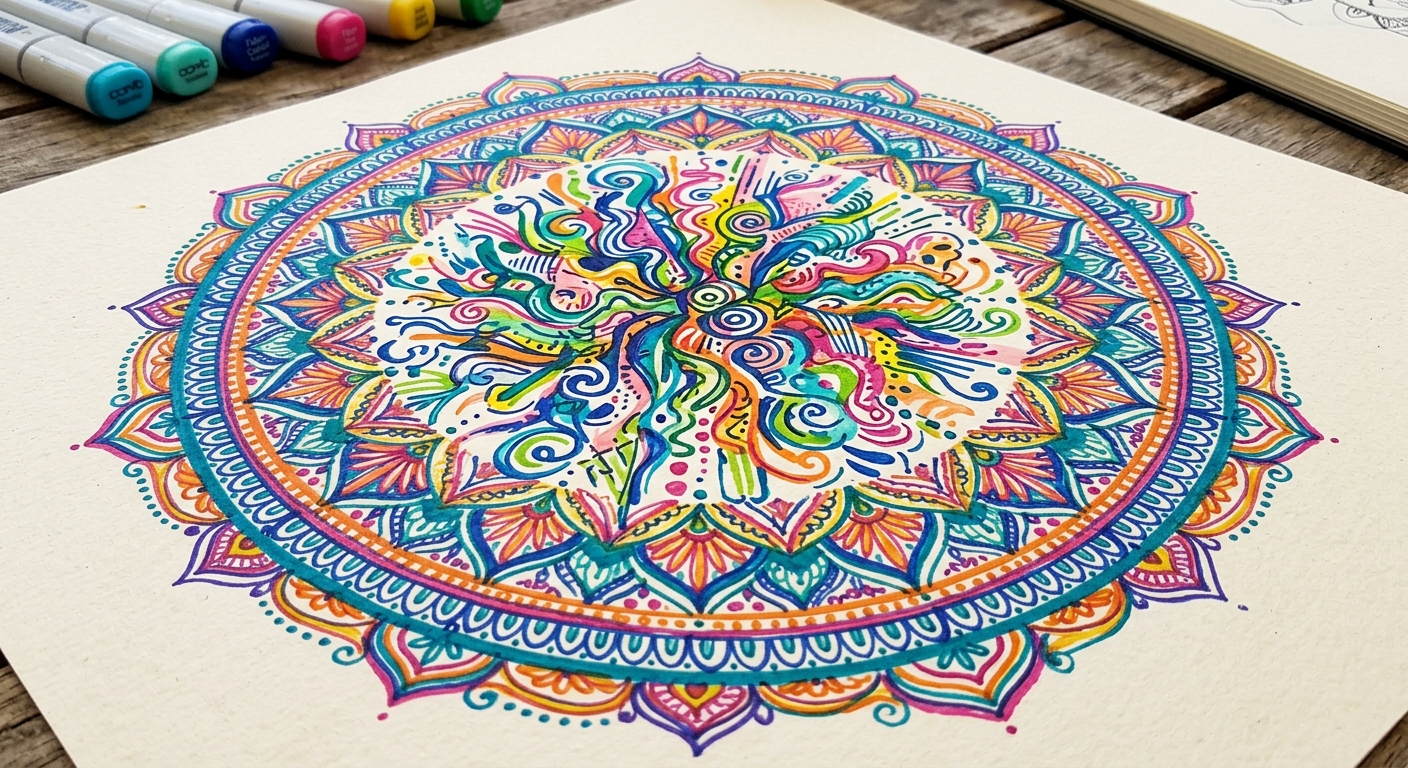
Break all the rules! An abstract freeform mandala blends asymmetrical elements with traditional circular symmetry. You can let some patterns spill over the main circle, or introduce completely random doodles on one side while keeping the other side perfectly symmetrical. It is a fantastic way to let your imagination run wild without constraints.
Pro Tips for Mandala Art Beginners
- Start with a Grid: Always use a compass and a ruler to draw light pencil guidelines (concentric circles and diagonal lines) before drawing with ink. It keeps your design balanced.
- Keep Your Hand Relaxed: Drawing repetitive lines can cause tension. Take short breaks and keep your grip on the pen light and comfortable.
- Embrace Imperfections: Hand-drawn mandalas are beautiful because they are human. If a petal is slightly larger than the others, don’t worry—it will blend into the overall pattern once the mandala is complete.
- Vary Your Line Weights: Use a combination of fine-tip pens (for intricate details) and thicker markers (for solid fills and bold borders) to create visual depth.
For quiet-time coloring to go with these ideas, our guide to the best coloring books for kids ages 4-8 compares age-appropriate books by theme, page size, and paper thickness.
FAQs about Mandala Art for Beginners
Q1: What materials do I need to start drawing mandalas?
A: All you need is a sheet of paper, a pencil, an eraser, a ruler, a compass, and a black fineliner pen. As you progress, you can add gel pens, markers, or paints.
Q2: Why is mandala art considered therapeutic?
A: The repetitive, rhythmic motion of drawing symmetrical patterns requires focus, which helps quiet the mind, reduce anxiety, and promote mindfulness.
Q3: Do I need to be good at drawing to create mandalas?
A: Absolutely not! Mandalas are made of basic shapes like dots, circles, and lines. If you can write your alphabet, you have all the motor skills needed to draw a mandala.
Q4: How long does a beginner mandala take?
A: A small, simple mandala takes about 20 to 30 minutes. A detailed, coloured one can take 1 to 2 hours. There is no target time: stop when the design looks finished to you, and remember that a smaller mandala finished well beats a large one left half-done.
Q5: What paper is best for mandala art?
A: Smooth, thick paper (at least 120 gsm) works best, because it stops fineliner ink and gel pens from bleeding through. Ordinary printer paper is fine for practice, but it wrinkles with watercolour and shows pen marks on the back.
Q6: Can children draw mandalas?
A: Yes. Children do best with the dot mandala (idea 1) and the floral petal mandala (idea 2), using chunky pens or crayons and a pre-drawn circle grid. Keep the first mandala small, with only 3 or 4 rings, so they finish it in one sitting.
Once you enjoy the slow, circular rhythm of mandala drawing, you may like the same calm in a finished painting: our Buddha watercolor paintings include a Mandala Meditation piece that pairs a seated Buddha silhouette with detailed mandala patterns.
Keep Exploring: More Drawing Ideas
If mandalas got you hooked on repetitive, calming patterns, try these next. The leaf and vine mandala (idea 6) pairs naturally with our botanical leaf tracing ideas, which show how to draw realistic leaf veins you can borrow for your rings. For colour inspiration, browse our watercolor drawing ideas, and for a themed project, our Valentine’s Day art ideas include heart motifs that work beautifully inside a mandala.