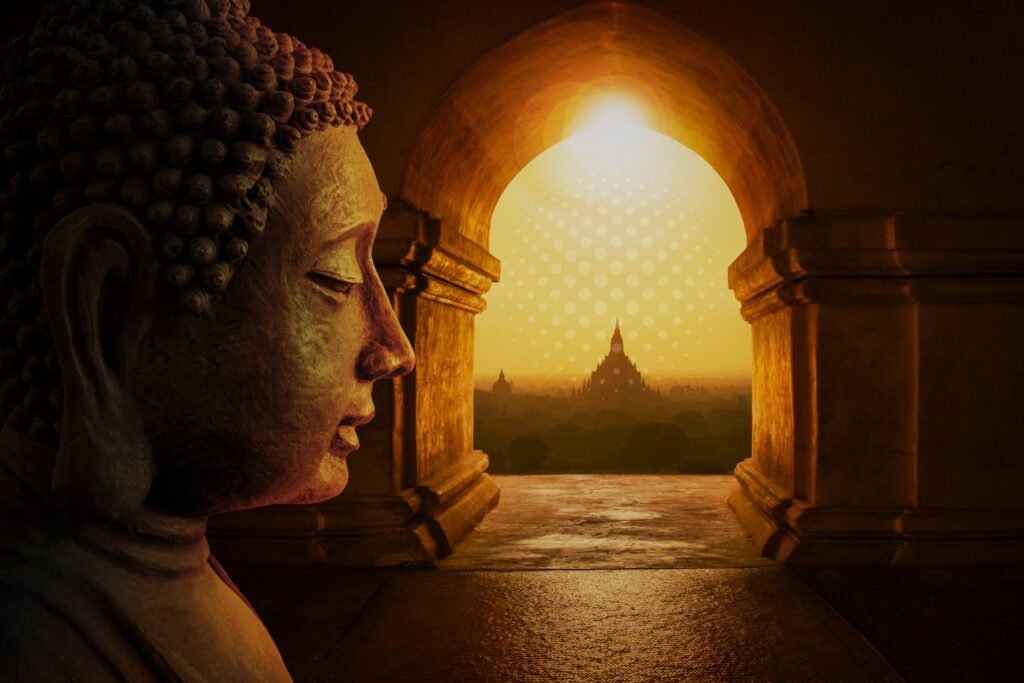
Short answer: A Buddha watercolor painting is a painting of the Buddha made with soft, transparent watercolor washes, and it works best in a calm room when three things line up: a serene, closed-eye face, a gentle palette of gold, muted blue, or soft pastels, and a size that leaves breathing space on the wall around it. If you want one quick pick, start with a warm golden or monochrome piece for a bedroom, and a lotus or mandala piece for a meditation corner.
Discover the serene beauty of Buddha watercolor paintings and bring a touch of tranquility to your space. These Zen art ideas combine soft, flowing colors with spiritual elegance, creating a harmonious vibe perfect for meditation corners, living rooms, or creative spaces. Get inspired to infuse peace and mindfulness into your decor.
IN THIS GUIDE
1. How to Choose the Right Buddha Watercolor for Your Room
Start with the feeling you want when you walk in, not with the brightest painting in the shop. A calm room comes from a calm palette: soft washes, one main colour, and plenty of pale paper showing through. Loud, high-contrast colours wake a room up, which is lovely in a creative corner but restless above a bed.
Pick by room, in 30 seconds
| Room | Best mood | Palette to look for | Ideas to start with |
|---|---|---|---|
| Meditation corner | Still and focused | Muted gold, soft orange, earthy brown | Golden Serenity, Mandala Meditation |
| Bedroom | Quiet and restful | Monochrome, pale blue, soft pastels | Monochrome Tranquility, Ethereal Buddha |
| Living room | Warm and welcoming | Warm gold, gentle pink and green | Buddha Amidst Lotus Blossoms, Nature’s Embrace |
| Creative studio | Bright and energising | Bold blue, orange and multicolour washes | Multicolor Enlightenment, Radiance of Peace |
The lotus appears in so many of these paintings for a reason: in Buddhist symbolism it stands for purity and awakening, rising unstained from muddy water, as explained in the overview of Buddhist symbolism. If a painting pairs the Buddha with a lotus, it is really pairing calm with a fresh start, which is why lotus pieces suit entryways and meditation corners so well.
Size matters more than detail. A small painting lost on a large blank wall looks like an afterthought, while a huge, busy painting over a bed can feel heavy. As a plain rule, let the painting fill about two-thirds of the wall space above the furniture beneath it, and leave at least a hand’s width of empty wall on each side. If you are choosing between two sizes, the larger, simpler wash usually calms a room better than a smaller, busier one.
Try this before you buy or print: tape a sheet of paper the size of the painting to the wall and live with it for a day. Check it in morning light and evening lamplight. Watercolor changes a lot with light, and a gold wash that glows at noon can turn muddy under a yellow bulb.
Two companion guides help with the practical side. If you want to paint in this style yourself, watercolor lotus drawing ideas show how layered petals and soft washes are built up, and easy mandala art ideas explain the slow, circular patterns behind the Mandala Meditation piece below. For faces, which are the hardest part of a Buddha painting, watercolor portrait drawing ideas break down soft skin tones and gentle shading.
2. Buddha Watercolor Paintings: 20 Zen Art Ideas
Browse the twenty ideas below slowly, and notice which palette makes your shoulders drop. That reaction is the whole test. The notes under each painting describe what to look for: the expression, the colours, and the feeling it brings to a room.
1 Golden Serenity

This artwork captures the tranquil face of Buddha in warm golden hues. The serene expression, closed eyes, and subtle smile evoke a sense of peace and mindfulness. The textured curls on the head add depth, while the earthy tones bring warmth to the painting. The artist’s delicate brushstrokes highlight Buddha’s calm demeanor, symbolizing enlightenment and inner harmony.
2 Vibrant Buddha Tattoo

A striking tattoo design featuring Buddha’s face in vibrant shades of blue, red, and orange. The bold colors create a dynamic contrast, emphasizing spiritual energy and creativity. The intricate detailing merges traditional Buddhist art with modern tattoo aesthetics, making it a unique representation of faith and individuality.
3 Multicolor Enlightenment

This painting portrays Buddha’s face in a vivid palette of green, blue, orange, and yellow. The abstract style blends vibrant colors to symbolize enlightenment and balance. Golden lotuses in the background enhance the spiritual theme, while the half-profile composition adds a contemporary touch to traditional imagery.
4 Ethereal Buddha

A watercolor depiction of Buddha’s face fading into soft pastel shades of green, yellow, and blue. The dreamy blending of colors gives the painting an ethereal quality, symbolizing transcendence and peace. The delicate details in the facial features contrast beautifully with the abstract background, creating a meditative visual experience.
5 Graceful Buddha in Serenity

This artwork captures the serene expression of Buddha with a focus on the delicate gesture of his hand. The soft blending of blues and earthy tones creates a calming effect. The intricate detailing of the hand and facial features reflects peace and mindfulness. Splashes of white add texture, symbolizing purity and enlightenment. The background’s gradient enhances the spiritual aura, making it a perfect piece for meditation spaces.
6 Buddha Amidst Lotus Blossoms

A vibrant depiction of Buddha surrounded by blooming lotuses, this painting symbolizes purity and spiritual awakening. The bold use of pinks and greens highlights the sacred connection between Buddha and nature. The abstract representation of Buddha’s face with closed eyes evokes tranquility. The water lilies floating around add depth, creating a dreamlike ambiance. This artwork beautifully merges spirituality with natural beauty.
7 Colorful Buddha in Abstract Hues

This painting showcases Buddha in an abstract style with bright, contrasting colors. The blue face, adorned with intricate patterns, reflects calmness against the vibrant orange and yellow accents. The floral elements around Buddha signify growth and enlightenment. The artistic strokes and bold palette make this a modern interpretation of traditional themes. It’s a striking piece that brings energy and peace to any space.
8 Golden Lama with Lotus Motifs

This artwork portrays a golden lama figure surrounded by blooming lotuses, symbolizing wisdom and compassion. The warm hues of orange and yellow dominate the composition, creating a divine aura. Delicate outlines of lotus flowers in pink add elegance to the piece. The lama’s posture exudes reverence, while the intricate detailing highlights its spiritual significance. This painting is perfect for those seeking inspiration from Buddhist art traditions.
9 Serenity in Bloom

This artwork portrays a meditative face alongside blooming flowers, symbolizing peace and spiritual growth. The deep red and pink tones evoke a sense of warmth and introspection. The soft blending of colors enhances the tranquil ambiance, while the flowers represent purity and enlightenment. The closed eyes of the figure suggest inner calm and mindfulness.
10 Lotus of Awakening

A vibrant lotus flower dominates this image, surrounded by intricate green patterns and a serene face in the background. The soft blues and purples of the petals symbolize spiritual awakening and purity. A glowing flame at the center of the lotus signifies enlightenment, while the crescent moon adds an ethereal touch.
11 Radiance of Peace

This painting features a colorful Buddha face with vivid hues flowing like streams of light. The use of bold colors like blue, yellow, and red creates a dynamic yet calming effect. The central third-eye motif highlights spiritual awareness, while the closed eyes reflect deep meditation and serenity.
12 Monochrome Tranquility

A framed depiction of Buddha’s face in earthy tones showcases simplicity and elegance. The muted palette emphasizes calmness, while the smooth brushstrokes highlight the contours of the serene expression. This minimalist art piece exudes a timeless sense of peace and introspection, perfect for creating a meditative atmosphere.
13 Serenity in Watercolor

This image features a minimalist watercolor painting of a meditating Buddha silhouette paired with a delicate lotus flower. The soft pink and purple hues evoke a sense of calm and tranquility. Surrounding the artwork are small crystals and flowers, adding a touch of natural beauty and spirituality. The composition reflects mindfulness and inner peace, making it perfect for meditation spaces.
14 Mandala Meditation

This artwork showcases a striking silhouette of Buddha seated against a vibrant orange background, surrounded by intricate mandala patterns. The detailed black-and-white mandala contrasts beautifully with the warm tones, symbolizing harmony and enlightenment. A red lotus at the base adds a spiritual touch, completing the serene visual.
15 Buddha’s Graceful Presence

A serene watercolor painting captures the gentle face of Buddha alongside blooming lotus flowers. The warm golden tones of Buddha’s face blend harmoniously with the cool greens and blues of the background. This artwork exudes peace, wisdom, and spiritual connection, making it visually captivating.
16 Nature’s Embrace

This image portrays Buddha’s tranquil face surrounded by lush green leaves. The earthy tones of the painting are complemented by soft pastel shades in the background. The serene expression on Buddha’s face reflects inner peace, while the leaves symbolize growth and harmony with nature.
17 Serene Buddha in Monochrome

This artwork portrays Buddha’s face in a grayscale watercolor style. The soft brush strokes and subtle shading create a peaceful and meditative aura. A lotus flower, delicately drawn near the face, symbolizes purity and enlightenment. The closed eyes and gentle expression evoke tranquility, making it an ideal representation of spiritual calmness.
18 Colorful Contemplation of Buddha

The vibrant painting showcases Buddha resting peacefully, wrapped in intricate patterns of pink and red robes. The bright yellow skin contrasts beautifully with the blue background, while the orange halo highlights his divine presence. The artistic details reflect a blend of modern art with traditional spiritual themes.
19 Buddha in a Meditative Gesture

This painting captures Buddha in a graceful hand gesture, symbolizing wisdom and teaching. The serene expression on his face complements the vibrant background of blues and greens. The textured details add depth to the artwork, making it a captivating piece for meditation enthusiasts.
20 Serenity in Green: A Monk’s Meditation

This artwork portrays a serene and spiritual scene, where a monk in a red robe meditates before an enormous green Buddha face surrounded by lush foliage. The vibrant green tones symbolize nature, growth, and tranquility, creating a calming visual experience.A sense of devotion is evoked as the monk gazes upward, connecting deeply with the divine presence of Buddha. The intricate details of Buddha’s face, such as the spiral curls and peaceful expression, enhance the spiritual essence.
3. How to Paint One Yourself: A Simple Beginner Path
You do not need to copy any painting above stroke for stroke. Watercolor rewards a light hand and patience between layers. Work on thick watercolor paper, keep your water clean, and let each wash dry before you add the next, or the colours will turn muddy.
1
Sketch lightly. Draw the face as a simple oval with a centre line, closed eyes as two soft downward curves, and the shoulders as a wide, gentle arc. Keep the pencil faint so it disappears under the paint.
2
Lay one pale wash. Wet the face area and float in a single skin tone, gold or soft peach. Leave the brightest spots dry as highlights instead of painting white over them later.
3
Add the background second. While the face dries, wash the background in a paler version of your main colour, blue, green, or warm gold. A pale background makes the face look calm rather than crowded.
4
Paint the face last, in small steps. Add the closed eyes, the gentle smile, and the hair curls with a small brush and a slightly darker mix. Stop one step earlier than you think you should; overworked watercolor loses its glow.
5
Finish with one accent only. A single lotus, a soft halo, or a few leaves is enough. If you add lotus petals, the layered approach in watercolor lotus drawing ideas helps, and watercolor marigold drawing ideas show how warm flower colours stay bright instead of turning brown. For a tattoo-style version like idea 2, look at watercolor art tattoo ideas first, since skin and paper take colour very differently.
Beginners often find faces easier after practising on simpler subjects. watercolor bird drawing ideas are a good warm-up for soft washes and feather-light brush control before you attempt a serene face.
4. Where to Hang It: Room-by-Room Zen Guide
Hang the painting at eye level when you are standing, or slightly lower in a meditation corner where you sit. Keep it out of direct sunlight: watercolor fades faster than oil or acrylic, and a sunny wall can wash out pale pinks and golds within a couple of years. A simple glass frame protects it from dust and humidity, which matters most in bathrooms and kitchens, so choose a drier wall for a watercolor if you can.
Three real-room examples
A small meditation corner: one monochrome or golden piece, a cushion, and a plant. Nothing else competes with it, so the eye rests in one place.
A busy family living room: a larger lotus or nature piece above the sofa, with cushions that pick up one colour from the painting, not all of them. One echo is calming; five echoes are noisy.
A home workspace: a mandala or abstract piece to one side of the desk, not directly behind the screen. You glance at it during breaks, and it does not fight video calls for attention.
If you are decorating a whole calm corner rather than one wall, pair the painting with one slow craft. Drawing a mandala pattern, for example, uses the same unhurried attention as sitting with the painting, and easy mandala art ideas give beginners a place to start.
5. Frequently Asked Questions
What does a Buddha watercolor painting symbolize?
It symbolizes peace, mindfulness, and awakening. The serene, closed-eye face stands for inner calm, while the lotus that appears in many of these paintings stands for purity and a fresh start, rising unstained from muddy water.
Which Buddha watercolor colour is best for a bedroom?
A monochrome, pale blue, or soft pastel wash is best for a bedroom, because quiet colours help the room feel restful. Save bold multicolour and bright orange pieces for a studio or living room, where energy is welcome.
Is it okay to hang a Buddha painting in a bedroom or living room?
Yes, for most homes it is a personal decor choice, and these paintings are commonly hung in living rooms, bedrooms, and meditation corners. Hang it with respect, at a clean, uncluttered spot, rather than above clutter or on the floor leaning against a wall.
How do I stop a watercolor painting from fading?
Keep it out of direct sunlight, frame it behind glass, and hang it on a dry wall away from bathrooms and kitchens. Sunlight and damp are the two fastest ways a pale watercolor loses its colour.
What size Buddha painting should I choose for my wall?
Aim for a painting about two-thirds as wide as the furniture beneath it, with empty wall space on each side. When in doubt, choose the larger, simpler wash over a smaller, busier painting for a calm room.
Can a beginner paint a Buddha watercolor?
Yes, if you start simple: one pale skin-tone wash, a soft background, and the face painted last in small steps. Practise soft washes first with watercolor birds or flowers, and add only one accent, such as a lotus, to your first Buddha piece.
Keep exploring: try watercolor lotus drawing ideas, easy mandala art ideas, watercolor portrait drawing ideas, watercolor marigold drawing ideas, watercolor bird drawing ideas, and watercolor art tattoo ideas for your next calm, creative project.