Short answer: Zentangle watercolor art is simply structured pen patterns, called tangles, drawn over or beside soft watercolor washes. You do not need to be able to draw realistically: if you can draw a dot, a line, a curve, and a circle, you can make a finished piece in one sitting, starting with idea 1 below and adding color only after the ink is dry.
Unleash your creativity with “Zentangle Art Ideas with Creative Watercolor“! This unique blend of intricate patterns and vibrant watercolor techniques transforms simple doodles into mesmerizing masterpieces. Perfect for beginners and seasoned artists alike, these ideas will inspire relaxation, mindfulness, and endless artistic possibilities. Let your imagination flow with every stroke.
1. What Is Zentangle Watercolor Art, Exactly?
Zentangle is a drawing method built from small, repeated patterns. The official Zentangle Method describes it as an easy-to-learn, relaxing way to create beautiful images by drawing structured patterns, called tangles, from dots, lines, simple curves, S-curves, and orbs. Watercolor adds the second half of the magic: a loose wash of color underneath or around those patterns, so a strict black-and-white tangle suddenly glows. That is why this combination works so well for beginners. The ink gives you structure, the watercolor gives you color, and neither one has to be perfect for the finished page to look good.
Two practical rules make the whole technique work. First, always let the watercolor dry completely before you draw ink over it, or the pen will drag and bleed. Second, use waterproof ink, not a water-soluble pen, if you plan to paint over ink lines. If you paint first and tangle second, almost any fine black pen will do, which is the easiest order for a first try. For the background of the method itself, see the official Zentangle Method introduction at zentangle.com/pages/about.
2. Supplies You Need to Start
You can start with things you probably already own. A proper tile is nice, but thick paper matters more than a brand name, because thin paper buckles under watercolor. If your paper warps, tape its edges down before you paint and leave the tape on until the wash is dry.
- Thick mixed-media or watercolor paper, so washes do not buckle or tear
- A waterproof fine black pen (0.3 or 0.5 mm is a good everyday size)
- A small watercolor set and one round brush, plus a jar of clean water
- A soft pencil for light guide lines and gentle shading at the end
- A scrap sheet under your page, to catch paint and test colors first
Beginner tip: Test every watercolor on scrap paper first. Colors dry lighter than they look when wet, so a wash that looks perfect in the pan may dry pale. Paint one shade darker than you think you need.
If you are still choosing tools, our guide to the best watercolor brushes for beginners explains which brush shapes actually matter, and the best watercolor set under $25 keeps the first purchase simple and cheap.
3. How to Combine Zentangle and Watercolor in 5 Steps
1
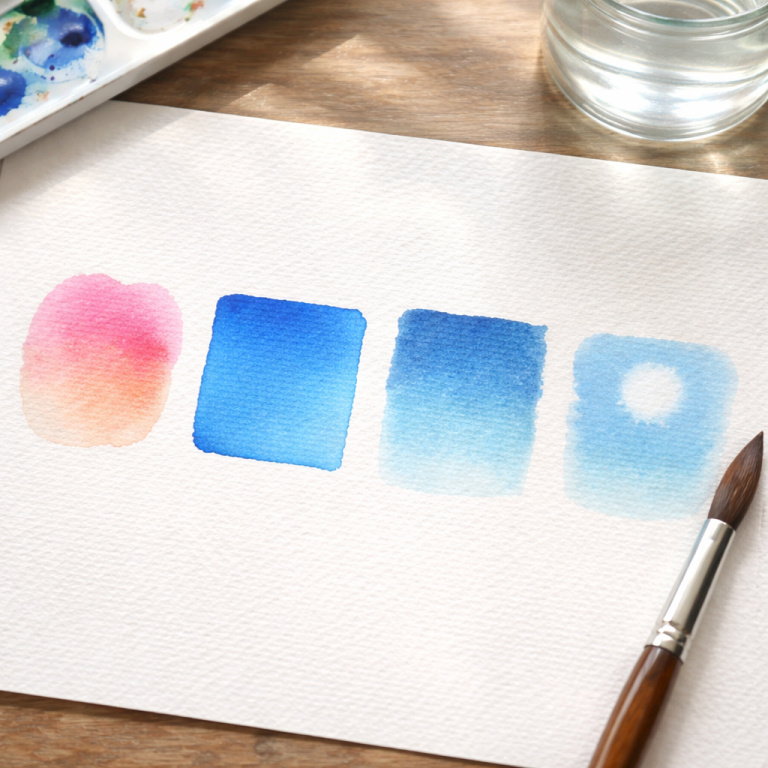
Paint the wash first. Wet the paper lightly, drop in one to three colors, and let them blend on their own. Stop while it still looks fresh, then let it dry completely.
2
Divide the page with a string. Draw one light, curvy pencil line across the page. This string splits the wash into sections, so you never face a blank page.
3
Fill one section at a time. Pick one simple pattern per section, such as dots, arcs, or leaves, and repeat it slowly. Rotate the page whenever your hand feels cramped.
4
Shade gently. Add soft pencil shading along one edge of each pattern. Shading is what turns flat lines into something that looks three-dimensional.
5
Stop early and sign it. Zentangle has no eraser step and no fixed finish line. When a section feels full, stop, look at the page from arm’s length, and call it done.
Common mistake to avoid: tangling over a damp wash. The ink feathers into wet paper and cannot be fixed. If in doubt, wait ten more minutes, or use a hair dryer on a low, cool setting from a distance.
4. Which Idea Should You Try First? A Quick Picker
All 20 ideas below are worth trying, but they are not all equally easy on day one. Use this picker to match an idea to your mood and time.
| If you want… | Start with | Why it works |
|---|---|---|
| A calm, easy first tile | Idea 1, Intricate Zentangle Patterns | Black and white only, no color decisions to make |
| Color without stress | Idea 3, Vibrant Botanical Zentangle Frame | One leafy frame shape holds the whole wash together |
| Something pretty to gift | Idea 6, Delicate Lace Mandala | A centered mandala always looks finished, even when simple |
| A fun, playful page | Idea 13, Vibrant Butterfly Zentangle Design | A clear butterfly shape gives the patterns an anchor |
| A bold showpiece | Idea 20, Kaleidoscope of Patterns and Colors | Radiating segments let you use many patterns in one piece |
For more color confidence, compare paint types in gouache vs watercolor vs acrylic, and if you love floral subjects, browse wildflower bouquet drawing ideas for shapes you can tangle inside later.
Zentangle Art Ideas with Creative Watercolor
1 Intricate Zentangle Patterns

This artwork showcases a mesmerizing array of black-and-white Zentangle patterns. Starting with two large spiral designs, the piece is filled with smaller geometric shapes, textures, and intricate linework. The composition is divided into sections, each featuring unique patterns such as swirls, checkerboards, and leaf-like motifs. The seamless blending of these elements creates a dynamic and harmonious visual flow.
2 Floral Abstraction in Black Ink

Featuring a whimsical garden of daisies, this black ink drawing combines floral elements with abstract patterns. Flowing stems connect the flowers, while the foreground is filled with organic shapes and textures. Dotted shading adds depth, giving the piece a sense of movement and dimension.
3 Vibrant Botanical Zentangle Frame

This colorful Zentangle-inspired art presents a leafy frame in shades of green and blue. Delicate spirals and natural motifs fill the composition, creating a serene and lively atmosphere. The watercolor effect enhances the organic feel, making it visually soothing yet dynamic.
4 Ornate Zentangle with Jewel Accents

This piece features an intricate Zentangle design with floral and ornamental elements. Shades of green and gray blend beautifully in the background, while jewel-like accents add a touch of elegance. The detailed shading and textures give the artwork a three-dimensional quality, making it both intricate and captivating.
5 Vibrant Organic Abstraction

This artwork showcases a mesmerizing blend of organic patterns and vibrant colors. The centerpiece resembles a radiant flower with golden hues, surrounded by flowing, wave-like lines in shades of pink and orange. Droplets scattered across the composition add depth and texture. The background’s deep magenta tone contrasts beautifully with the intricate details, creating a sense of movement and life.
6 Delicate Lace Mandala

A stunning lace-like floral design sits at the heart of this artwork, drawn in intricate white patterns on a neutral brown circle. Surrounding it are pastel-toned swirls, flowers, and abstract shapes that evoke a sense of serenity. The delicate balance between the central motif and the colorful background makes this piece both elegant and captivating.
7 Hypnotic Spiral Eyes

This black-and-white artwork features an optical illusion of spiraling lines converging toward multiple focal points. Hidden within these spirals are small, curious eyes peeking out, adding an element of mystery and playfulness. The repetitive patterns create a hypnotic effect, drawing the viewer into its intricate design.
8 Blooming Sunflowers

This captivating artwork showcases intricately drawn sunflowers with fine pen detailing. The black-and-white floral design contrasts beautifully against a vibrant gradient background of warm hues, transitioning from yellow to pink. Each sunflower is meticulously illustrated, displaying delicate petals and a mesmerizing geometric pattern at the center. The gradient backdrop enhances the organic beauty of the flowers, creating a harmonious blend of natural elements and artistic precision.
9 Mandala Radiance

A stunning mandala design takes center stage in this piece, featuring intricate circular patterns and geometric shapes. The black mandala lines are set against a dreamy watercolor background of purples, blues, and greens, creating a sense of depth and tranquility. The symmetrical layers of the mandala are filled with detailed motifs, showcasing the artist’s mastery of balance and harmony. This artwork exudes a meditative and calming aura.
10 Abstract Color Panels

This piece is divided into four vertical panels, each filled with abstract patterns and vibrant colors. The panels feature a variety of textures, including organic shapes, geometric grids, and flowing lines. Warm tones like orange and yellow transition into cool shades of blue and purple, creating a dynamic visual experience. The intricate details within each panel make this artwork both playful and sophisticated.
11 Stained Glass Mosaic

This vibrant mosaic artwork resembles a stained glass window, with bold outlines separating colorful geometric shapes. The overlapping curves and rectangles are filled with shades of green, pink, purple, and blue, creating a lively composition. The interplay of light and shadow within the colors adds depth to the piece. This design captures the essence of modern abstraction while maintaining a sense of harmony through its balanced layout.
12 Organic Swirls and Leaves Zentangle Art

This artwork showcases intricate organic patterns of swirls, leaves, and pearls, all flowing seamlessly in a circular composition. The earthy tones of beige, green, and white create a naturalistic feel, while the delicate shading adds depth and texture. The use of fine lines and spirals enhances the elegance of the design. This Zentangle-inspired creation exudes tranquility and creativity, making it visually captivating.
13 Vibrant Butterfly Zentangle Design

A colorful butterfly takes center stage in this vibrant Zentangle artwork. Surrounding it are geometric patterns and floral motifs in radiant hues of blue, red, and yellow. The blending of colors creates a soft gradient effect, while the black outlines provide sharp contrast. This piece beautifully combines nature’s grace with structured patterns, resulting in a lively and dynamic composition.
14 Pop-Up Monochrome Zentangle Sculpture

This unique creation features a three-dimensional pop-up design filled with intricate black-and-white Zentangle patterns. The detailed linework includes floral elements, abstract shapes, and bold contrasts that bring the structure to life. Set against a playful polka-dotted background, this piece blends artistic complexity with an interactive sculptural form.
15 Mandala Burst

The first image showcases a vibrant mandala design surrounded by a rainbow of colors. Watercolor paints and markers are neatly arranged around the artwork, suggesting a creative process that blends precision with spontaneity. The intricate patterns of the mandala contrast beautifully with the fluid, colorful splashes, creating a dynamic visual experience. This piece likely represents harmony and balance, using both structured and free-form elements to capture the viewer’s attention.
16 Colorful Swirls

In the second image, abstract swirls of color fill the pages of an open sketchbook. The left page features warm hues like reds and oranges, while the right page transitions into cooler blues and greens. This juxtaposition creates a sense of movement and energy, as if the colors are dancing across the page. The use of watercolors allows for smooth gradients and blends, enhancing the fluidity of the design. This artwork evokes feelings of joy and creativity.
17 Golden Blooms

The third image presents a series of yellow flowers painted with watercolors. The flowers appear to be gently swaying in the breeze, their petals rendered in soft washes of yellow and orange. Splashes of paint surround the blooms, adding texture and depth to the composition. This piece captures the essence of nature’s beauty in a simple yet expressive manner, using minimalistic strokes to convey the delicate elegance of flowers.
18 Geometric Harmony

The fourth image features a hexagonal canvas adorned with a detailed mandala pattern in bright colors. Below it lies another artwork composed of circular watercolor patterns in various shades. The combination of geometric shapes and vivid colors creates a sense of order and vibrancy. This artwork likely explores themes of symmetry and balance, inviting viewers to appreciate both its complexity and its aesthetic appeal.
19 Whale’s Flight in a Rainbow Balloon

This whimsical artwork portrays a serene blue whale suspended beneath a vibrant hot air balloon. The balloon, painted in a spectrum of rainbow hues, contrasts beautifully with the soft blue sky in the background. Intricate patterns adorn the whale’s tail, adding an artistic flair to its otherwise natural form. The painting evokes a sense of freedom and imagination, blending elements of fantasy and nature. The delicate watercolor technique enhances the dreamy quality of the scene, making it feel light and ethereal. This creative piece invites viewers to explore a world where marine life soars through the skies
20 Kaleidoscope of Patterns and Colors

This artwork features a mesmerizing radial design that combines vivid colors with intricate black-and-white patterns. Each segment radiating from the central rainbow circle is uniquely adorned with textures such as waves, dots, and zigzags. The harmonious blend of vibrant watercolors and monochromatic designs creates a striking visual contrast. Held against a sunny outdoor backdrop, the piece exudes positivity and creativity. The playful arrangement of patterns invites viewers to explore each section individually while appreciating the unity of the whole composition. It’s a celebration of diversity and artistic expression brought together in one captivating design.
Fine details in Zentangle patterns call for pens that glide without skipping, especially over watercolor washes. Our guide to the best gel pens for adult coloring books compares smooth, vivid options that also suit detailed line work.
5. Frequently Asked Questions About Zentangle Watercolor Art
Do I need to know how to draw to try Zentangle watercolor art?
No. Zentangle is built from dots, lines, curves, and circles, so it is designed for people who do not draw realistically. Start with idea 1 in black and white, then add one watercolor wash once you are comfortable.
Should I paint the watercolor first or draw the Zentangle first?
Paint first if you are a beginner. A dry watercolor wash is a forgiving background, and you can tangle over it with any fine pen. If you draw first and paint second, use waterproof ink so the lines do not smudge.
What paper works best for Zentangle and watercolor together?
Thick mixed-media or watercolor paper works best. Thin sketchbook paper buckles and pills under a wash. Tape the edges down before painting to keep the page flat while it dries.
Which pen should I use over watercolor?
A waterproof fine liner in 0.3 or 0.5 mm is the safest choice. Water-soluble pens and gel pens can bleed if they touch a damp wash, so always test your pen on a painted scrap first.
How long does one Zentangle watercolor piece take?
A small tile takes about 20 to 40 minutes, plus drying time for the wash. Larger pages like ideas 10 and 20 can take an hour or more, but you can stop at any section boundary and come back later.
Can children try Zentangle watercolor art?
Yes, with simple patterns and larger paper. Ideas 3, 13, and 16 use big shapes and bright color, which suit younger artists, while the structured steps help them focus one section at a time.
6. More Drawing Ideas to Try Next
When you finish these 20 ideas, keep the same habit going with a new subject. Try watercolor basketball drawing ideas for a sporty subject, botanical leaf tracing ideas for leaf shapes you can fill with tangles, or acrylic painting flowers if you want to compare how flowers behave in a thicker paint. You can also revisit the original watercolor ideas linked at the top of this post, including watercolor bear drawing ideas and watercolor marigold drawing ideas.
One last habit worth keeping: photograph each finished tile before you start the next one. A small gallery of your own tiles shows your patterns improving faster than any single piece does, and it gives you a ready set of ideas to repeat on cards, journals, and gifts.
For quiet-time coloring to go with these ideas, our guide to the best coloring books for kids ages 4-8 compares age-appropriate books by theme, page size, and paper thickness.