Watercolor is difficult because it is the only common paint you cannot correct by painting over. It is transparent, so the white of the paper is your only light source, and once you cover it, it is gone. Every other problem, from blooms to muddy color, follows from that.
Key takeaways
- You cannot paint over a mistake, so watercolor is a planning medium not a correcting one.
- Watercolor dries 20 to 30 percent lighter, so mix stronger than looks right.
- Muddy color comes from multi-pigment convenience paints, not from poor brushwork.
- Blooms appear only in the damp middle stage, after the shine leaves the paper.
- Four of the seven problems are equipment, not skill, and can be fixed in an afternoon.
Watercolor is difficult because it is the only common paint you cannot correct by painting over. In oil or acrylic, a mistake gets covered. In watercolor the white of the paper is your only source of light, and once it is covered it is gone for good.
Everything else people find hard about the medium follows from that one fact. The blooms, the mud, the buckled paper, the colors that dry three shades lighter than you mixed them, all of it traces back to a material that dries on its own schedule and does not let you go backwards.
The good news is that these are seven specific, diagnosable problems rather than a general lack of talent. Each one has a cause you can name and a fix you can apply today.
1. You Cannot Paint Over a Mistake
This is the root problem. Watercolor is transparent, so every layer shows what is underneath it. Adding paint can only ever make an area darker, never lighter. There is no white paint doing the work of the highlights; the highlights are simply paper you decided in advance not to cover.
That makes watercolor a planning medium rather than a correcting one. Before your brush touches the paper you should already know which areas stay white. Beginners who come from pencil or acrylic have no habit of planning that far ahead, and the medium punishes it immediately.
The fix: before painting, mark the three lightest spots in your subject with a pencil dot. Those are the areas you never touch. Everything else can be worked.
2. It Dries 20 to 30 Percent Lighter Than It Looks
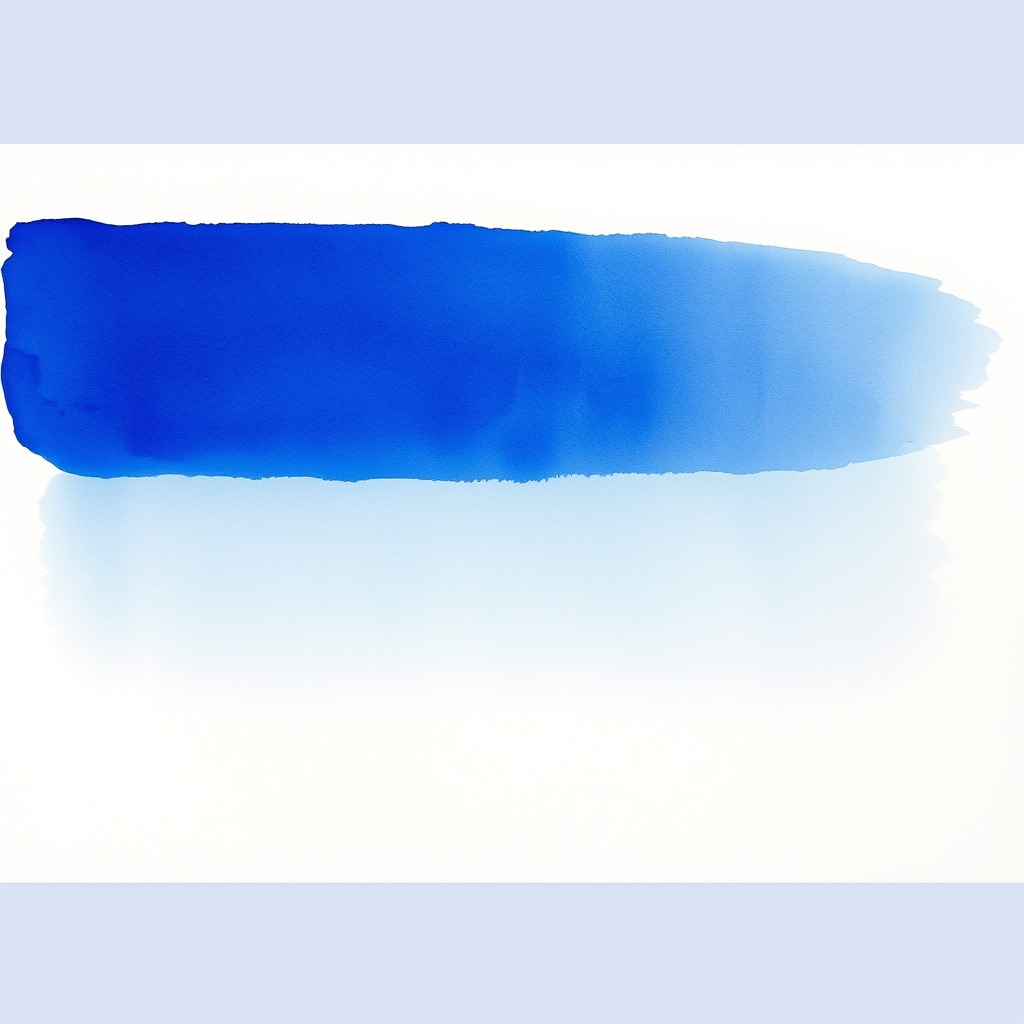
Wet paint is glossy, and a glossy surface reflects light back at you, so it reads darker and richer than it really is. As the water evaporates the surface goes matte and the pigment settles into the paper, and the value drops noticeably. Absorbent paper exaggerates the effect further.
This is why beginner paintings so often look weak and washed out. The painter mixed what looked correct on wet paper, and by morning the whole thing had faded a step.
The fix: mix your puddle noticeably stronger than looks right, then test it on a scrap of the same paper and let it dry fully before committing. Different papers shift by different amounts, which is why the test scrap has to be the same sheet.
3. Your Colors Turn to Mud
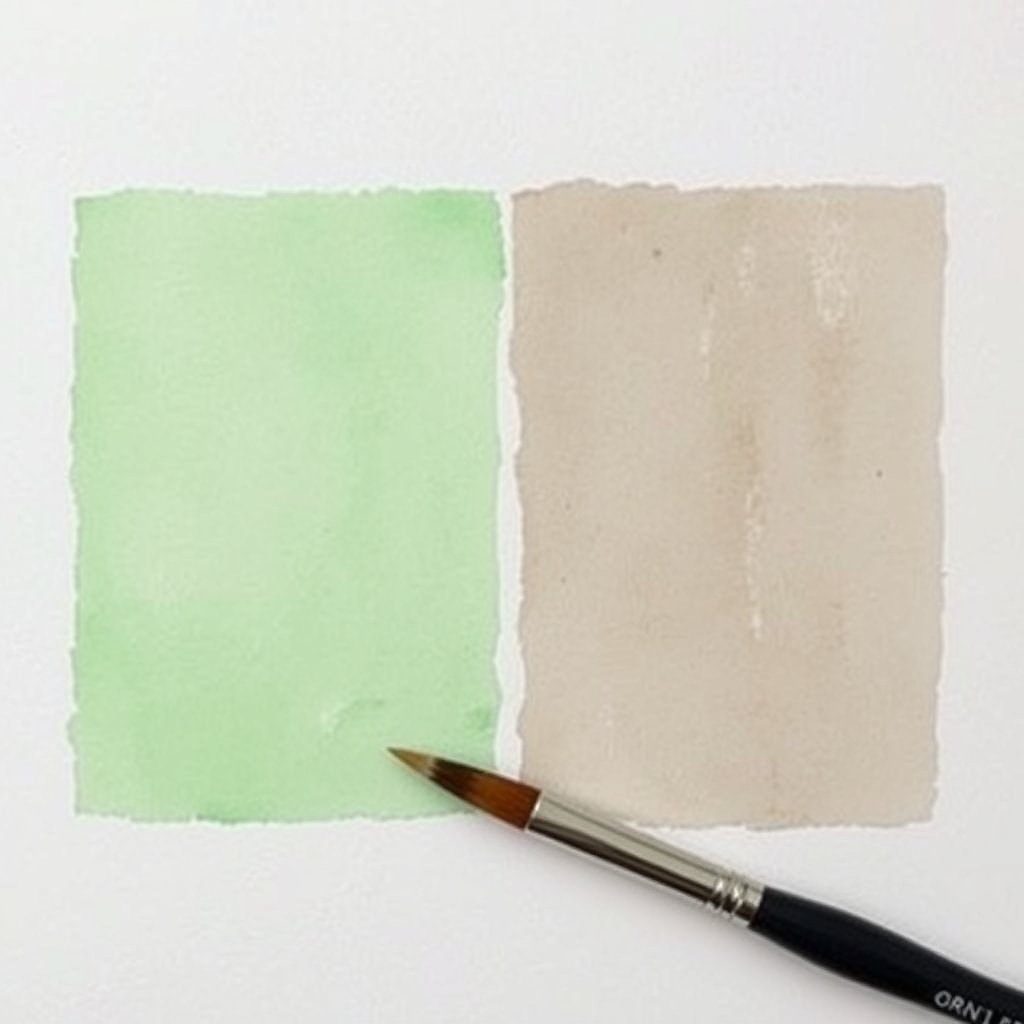
Mixing two colors that should give a clean green and getting grey sludge is almost never a technique failure. It happens because most beginner paint sets are full of convenience colors, each already made from three or four pigments plus filler.
Mix two of those together and you have six or eight pigments in one puddle. Past about three, the human eye stops reading the result as a color and starts reading it as mud. That is the entire mechanism.
The fix: check the pigment codes printed on the tube or pan. A single code such as PB29 or PR108 means one pigment, and single-pigment colors mix clean. Our guide to reading a watercolor paint set explains how to shop for these.
4. Hard Blooms Appear While the Wash Dries
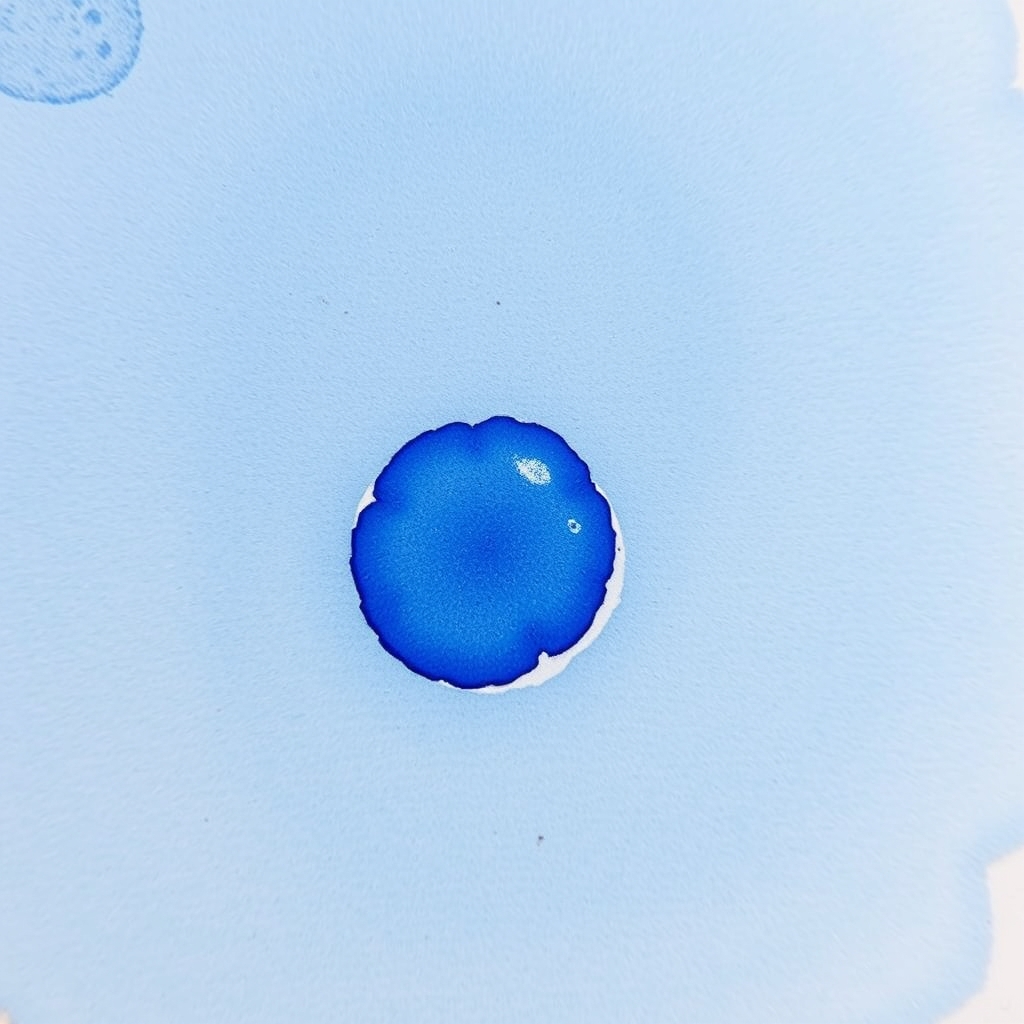
A bloom, sometimes called a backrun or a cauliflower, happens when you touch a wash that has already started to set. The wetter area pushes outward into the drier one and shoves the pigment into a hard branching edge that you cannot remove.
There is a specific danger window. Fully wet paper is safe and fully dry paper is safe. The damp middle stage, where the shine has just left the surface, is when a single extra brushstroke ruins the wash.
The fix: tilt the paper toward a light and watch the shine. While the surface is still glossy you can work into it freely. The moment the shine disappears, stop touching it until the sheet is dry to the back of your hand.
5. The Paper Buckles and the Paint Pools
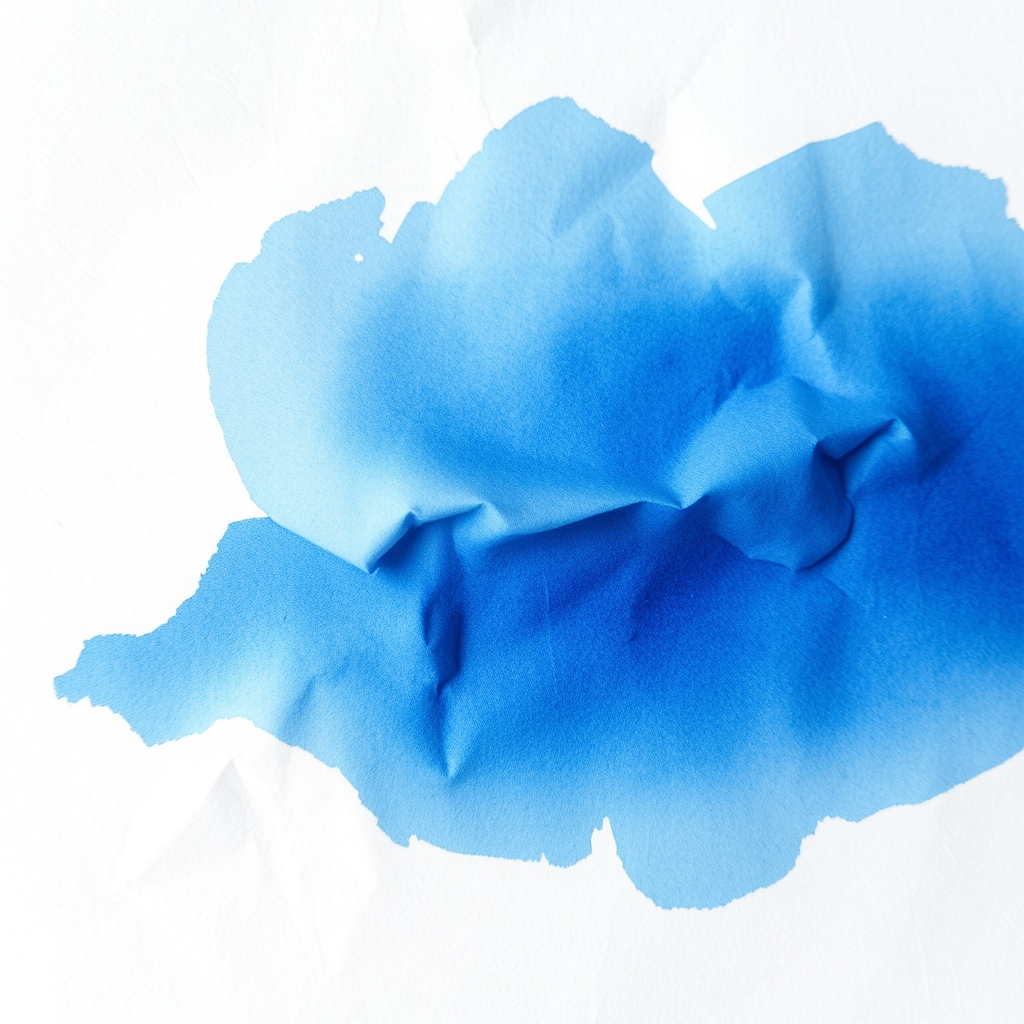
Paper fibers swell when they absorb water. If the sheet is too light or is only held down at one edge, it ripples into ridges and valleys, and gravity pulls the paint into the low points. What should have been a smooth wash dries as a set of dark stripes.
Beginners usually blame their brush control. It is not brush control; it is a physical property of a sheet that was never going to stay flat.
The fix: use 140 lb (300 gsm) paper in a block glued on all four edges. The block holds the sheet flat while it dries and you slide a knife under the corner when the painting is finished. Our guide to choosing watercolor paper covers weight and sizing in full.
6. Cheap Paper Gives You Almost No Working Time
Cotton paper is made from long tangled fibers that hold water on the surface, giving you around a minute to move pigment before it sets. Wood cellulose paper has short fibers and drinks the water straight down, leaving a few seconds at best.
Every soft-edged technique in watercolor depends on that working time. Wet-on-wet skies, blended petals, lifting a highlight back out with a clean brush, all of it is physically impossible on absorbent paper no matter how skilled you are.
The fix: before upgrading anything else, buy one small block of 100% cotton paper and repeat a technique that has been failing. If it suddenly works, the paper was the problem all along, not you.
7. You Are Judging Color Under the Wrong Light
A standard warm household bulb sits around 2700K and pushes yellow into everything it touches. Mix a dusk sky under that light and it can look perfect at midnight, then read green and chalky in daylight the next morning.
This one is invisible while it is happening, which is what makes it so frustrating. The painting did not change overnight; the light you judged it under did.
The fix: work under a daylight-balanced lamp near 5000K with a high color rendering index. Our guide to art studio lighting explains which numbers on the box actually matter.
What Actually Gets Easier, and How Fast
Four of these seven problems are equipment, not skill. Muddy color, buckling, no working time and wrong-looking color are all fixed by buying differently rather than practicing more, and they can be solved in a single afternoon.
The remaining three, planning your whites, mixing stronger than looks right, and learning to read the shine on the paper, are genuine skills. They take a few weeks of regular painting, not years. Most people who quit watercolor quit while blaming themselves for the four equipment problems.
Frequently Asked Questions
Is watercolor harder than acrylic?
Yes, for one specific reason: acrylic is opaque so mistakes get covered, while watercolor is transparent so they do not. Acrylic is more forgiving to learn on. Watercolor rewards planning in a way acrylic never demands.
How long does it take to get good at watercolor?
Around three months of painting a few times a week to reach reliably decent results, assuming you are on cotton paper. On cheap paper the same three months mostly teaches you that you cannot do it, which is why the material matters so much early on.
Can you fix a watercolor mistake?
Partly. A damp stiff brush and kitchen paper will lift mineral earth pigments back off the sheet, but modern staining colors bond to the fibers and will not come out. Whether a mistake is recoverable is decided by which pigment you used, not by how quickly you react.
Why do my watercolors look dull and lifeless?
Usually two things at once: the mix was too weak because you did not account for drying lighter, and the values are too close together. Push your darks much darker and leave real white paper, and a flat painting comes alive without any new technique.
Should a complete beginner start with watercolor?
Yes, provided you start on 140 lb cotton paper and accept that the first few sheets are practice rather than paintings. Starting on cheap paper is the single most common reason beginners conclude the medium is not for them.
Where to Go Next
Our complete watercolor guide covers the four core techniques and which subjects to attempt in which order. If you want to start painting today, abstract washes and skies are the two subjects that train wet-on-wet control with nothing to get wrong.
For the equipment side of these seven problems, the art supplies guide sets out what to buy in what order, and why paper comes before paint.