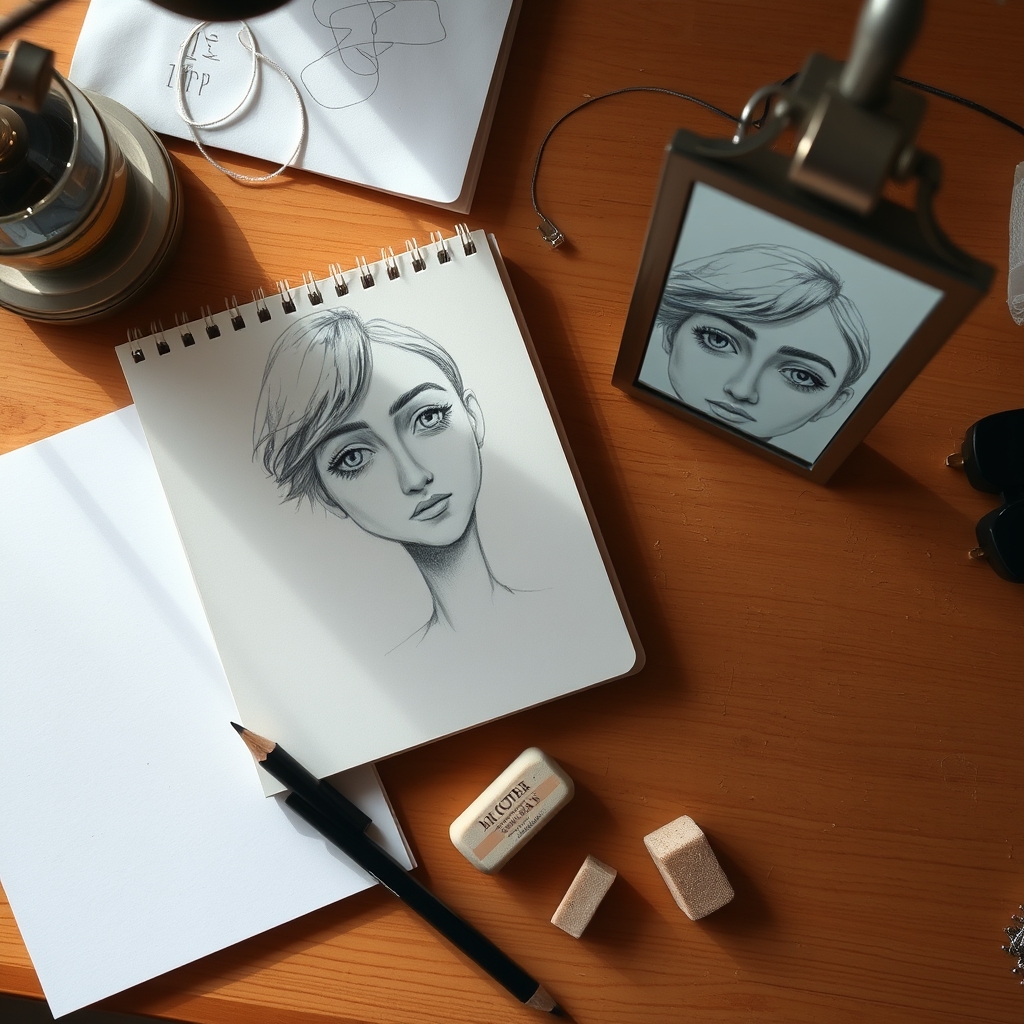
Drawings look bad for diagnosable reasons rather than lack of talent. The most common is that your brain corrects errors while you work, so you stop seeing them. Flipping the drawing horizontally breaks that memorized pattern and every accumulated error becomes visible at once.
Key takeaways
- Flip your drawing every 10 to 15 minutes; the mirrored version is the accurate one.
- Grey lifeless drawings mean the value range is too narrow, with no true black or white.
- Familiar subjects are hardest because you draw the stored symbol instead of the object.
- One uniform outline makes objects look like stickers; real forms have hard, soft and lost edges.
- If it looks fine in hand but wrong in the photo, that is a camera problem, not a drawing problem.
Your drawings look bad for specific, findable reasons, and almost none of them is talent. The most common one is that your brain quietly corrects errors while you work, so by the end you are seeing the drawing you intended rather than the one on the page.
That is why a drawing you were happy with at midnight looks wrong the next morning, and why it looks much worse the moment you hold it up to a mirror. Nothing changed in the drawing. What changed is that you stopped pattern-matching it.
Below are the seven reasons this actually happens, each with the test that exposes it and the fix. Work through them in order and most of the vague “something is off” feeling turns into a list of things you can correct.
1. Your Brain Is Correcting the Drawing As You Look at It
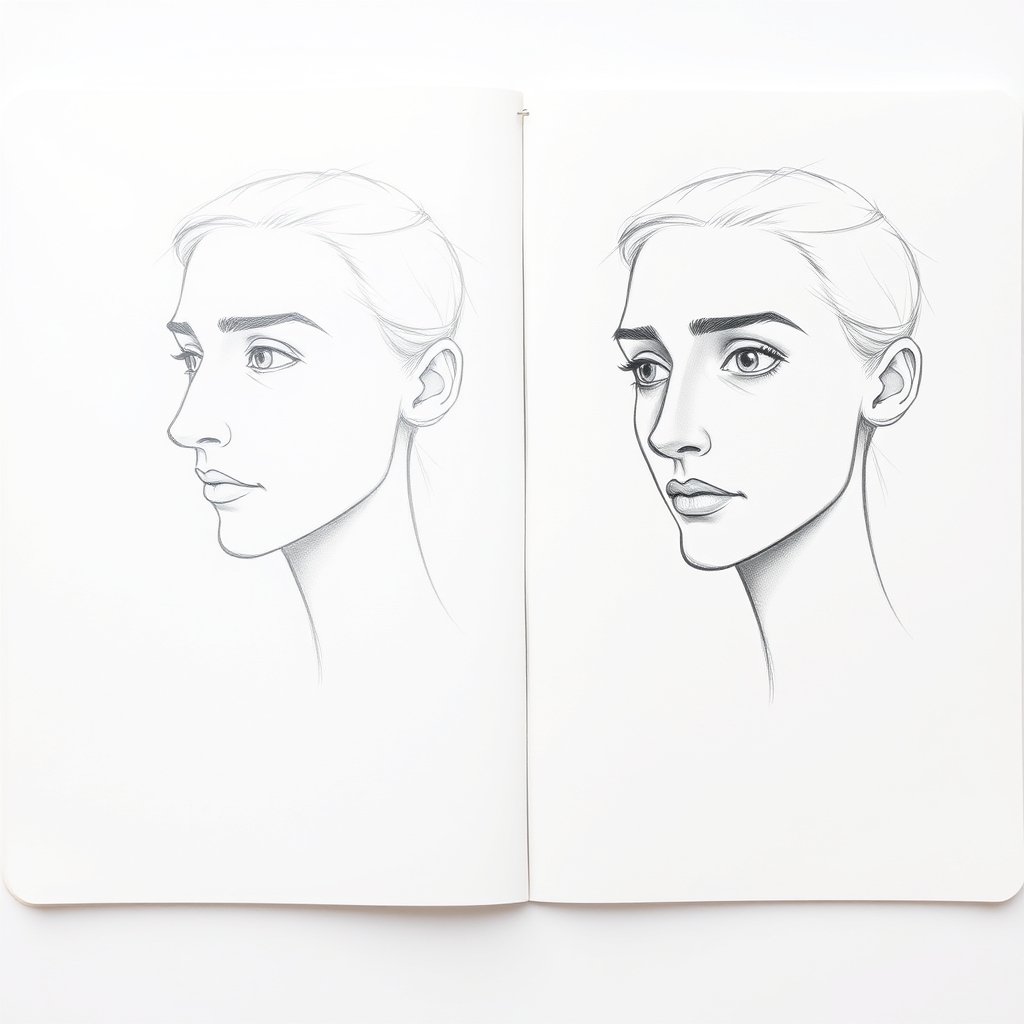
While you draw, you build a mental model of what you are making. After twenty minutes your eyes stop reporting the marks on the paper and start reporting that model. Small errors get absorbed into it, one at a time, until the drawing is measurably lopsided and you genuinely cannot see it.
The test: flip the drawing horizontally. Hold it up to a mirror, photograph it and mirror the photo, or hold the page against a window and look at the back. The reversed image breaks the pattern your brain memorized, and every accumulated error appears at once.
The fix: flip it every ten or fifteen minutes while you work, not once at the end. Errors caught early are a two-second correction. The same error found after two hours of rendering usually means starting again.
2. All Your Values Sit in the Middle
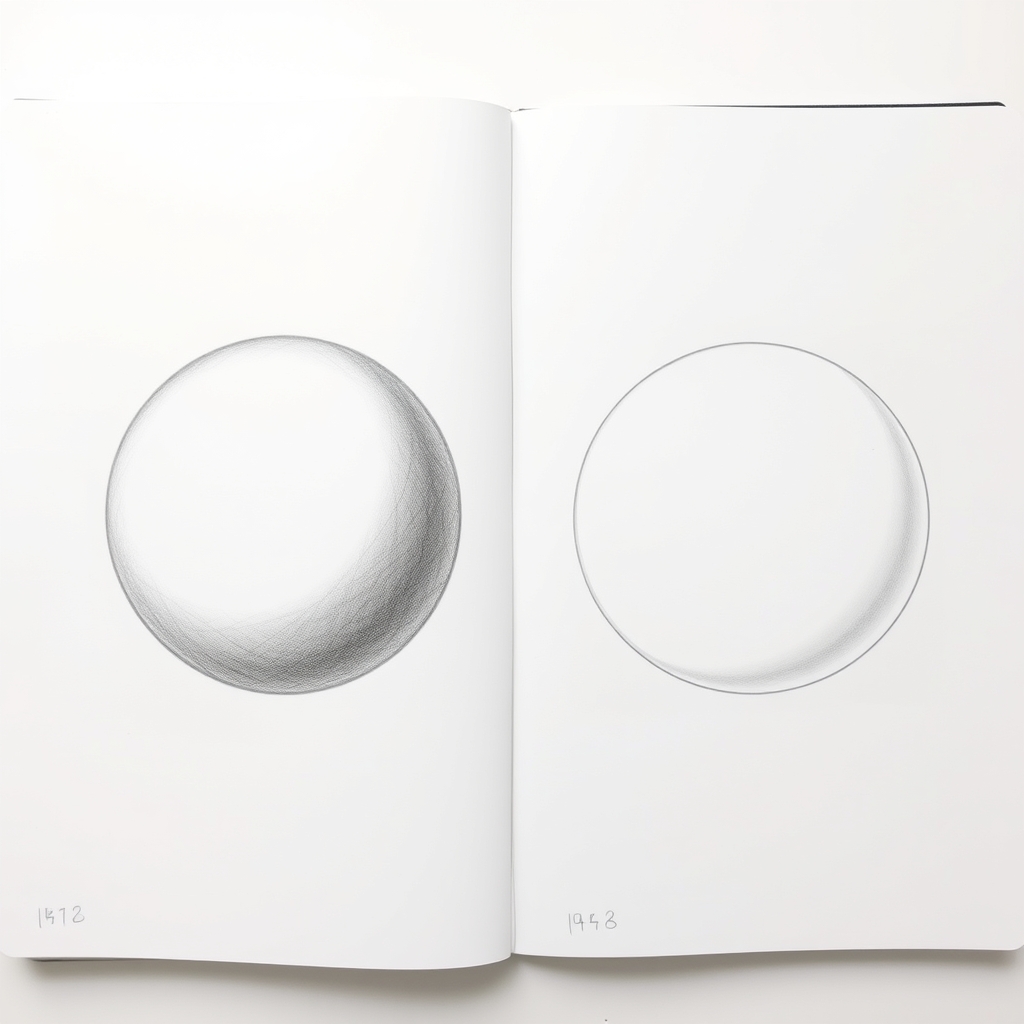
Beginners work almost entirely in a narrow band of mid greys. There is no true black anywhere and no untouched white paper, so nothing in the drawing has anything to contrast against and the whole thing reads as flat and grey.
It happens for a practical reason: pressing hard feels irreversible, so people hedge. Every mark ends up somewhere safe in the middle.
The test: squint at your drawing until it blurs. If it turns into one even grey mass rather than distinct light and dark shapes, your value range is too narrow.
The fix: find the darkest point in your subject and commit a real black there with a 6B, and leave the lightest point as bare paper. Our guide to shading a drawing works through that in order. A single HB cannot give you both, which is why one-pencil drawings almost always sit in that grey band.
3. You Drew the Symbol, Not the Object
Your brain stores a simplified icon for every familiar thing: an eye is an almond with a circle in it, a hand is a mitten with five sausages, a tree is a lollipop. Our hands tutorial replaces that mitten symbol with an actual structure. When you draw from memory, or from a photo without really looking, you retrieve the icon rather than observing the object.
This is why the subjects people find hardest are the ones they see most often. Nobody has a stored symbol for a crumpled paper bag, so everyone draws it reasonably well. The same retrieval problem is what stops people drawing what they see in their head: the mental picture is a label, not an image.
The test: cover your reference and try to name three specific things about the shape you just drew. If you cannot, you drew the symbol.
The fix: learn the underlying structure once, so the symbol gets replaced rather than avoided. Our eye tutorial does exactly this by rebuilding the eye from a sphere instead of an almond.
4. Every Edge in the Drawing Is the Same
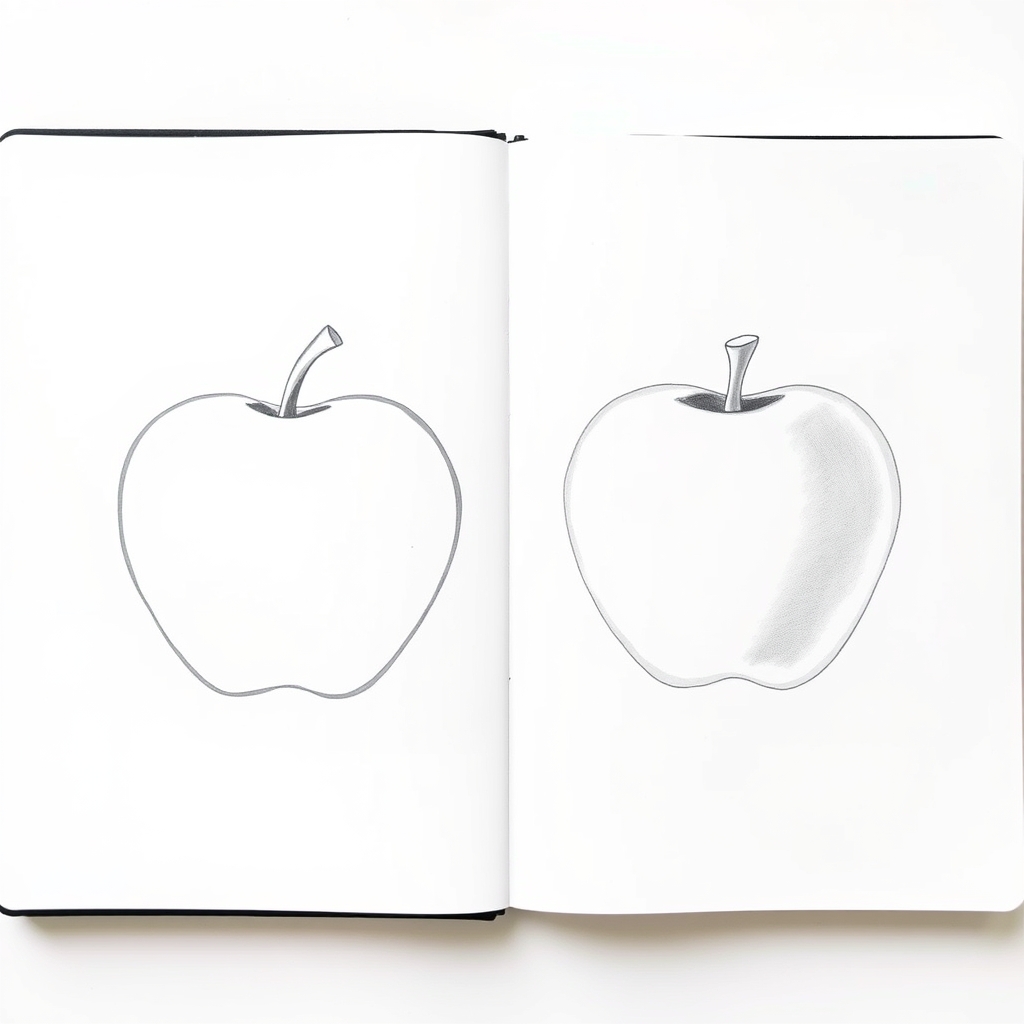
Outlining everything with one uniform dark line makes objects look like stickers pasted onto the page. Real objects have three kinds of edge: hard where a form turns sharply in light, soft where it turns gradually, and lost where it is the same value as whatever is behind it.
The test: look at your drawing and count how many different edge qualities you used. If the answer is one, that is the problem.
The fix: deliberately lose one contour per drawing. Let a shadowed edge merge into the background and stop drawing it. It feels wrong and it looks immediately more convincing.
5. You Drew It Flat on a Table
A page lying flat on a desk is seen at a sharp angle, so the far end is visually compressed. You compensate without noticing, stretching the top of the drawing so it looks correct from where you are sitting.
Then you pick it up and hold it in front of you, and the head is too long, the circle is an oval, and the horizontals sag. Nothing was wrong with your hand. You accurately drew a distorted view.
The fix: tilt the surface toward perpendicular to your line of sight. A stack of books works; our guide to easels and drawing angles covers what each medium needs.
6. It Only Looks Bad on Camera, Which Is a Different Problem
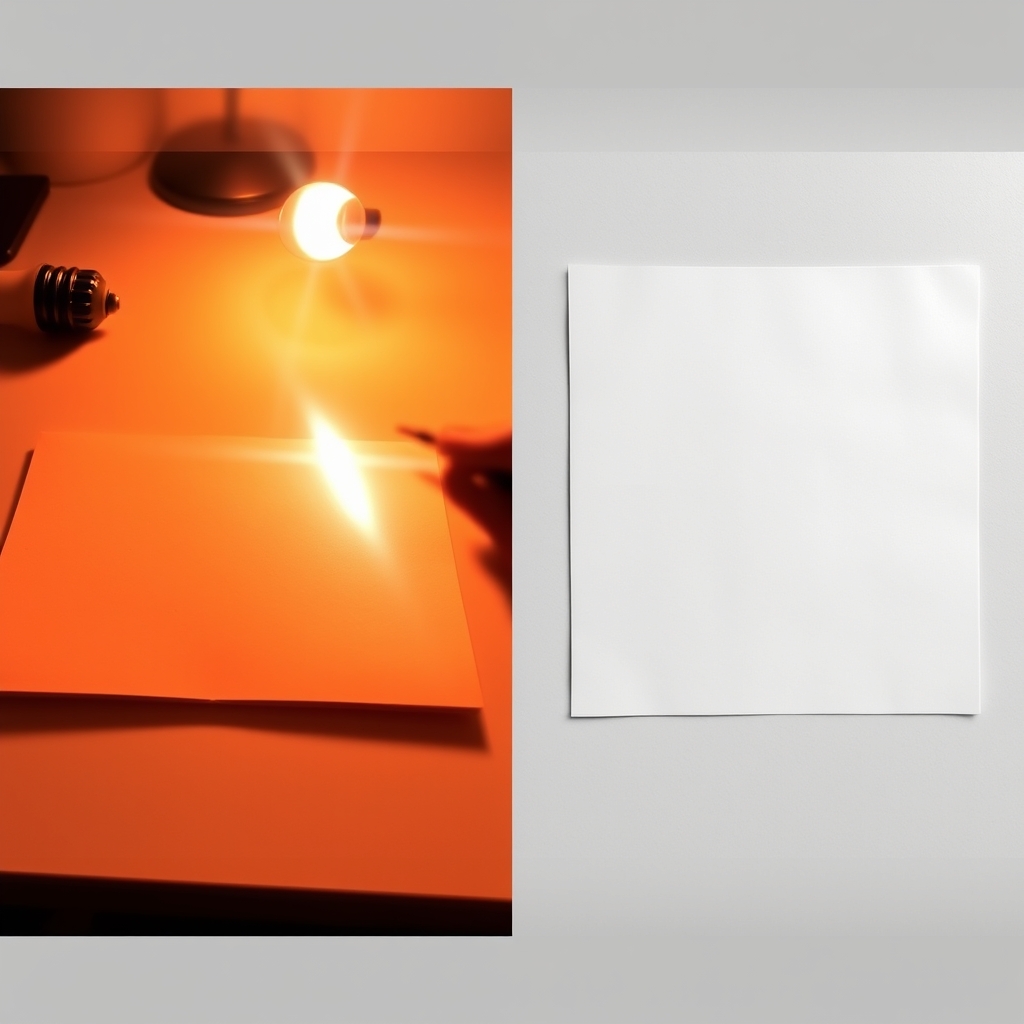
If the drawing looks fine in your hand but wrong in the photo, the drawing is not the issue. Three things are happening at once. A phone lens at close range distorts, so shooting at a slant skews the whole page into a trapezoid and stretches whatever is nearest the lens.
An indoor bulb sits around 2700K and pushes everything orange, so your careful neutral greys photograph warm and muddy. And phone auto-exposure lifts the shadows to average the frame, which crushes exactly the dark values you worked hardest on.
The fix: shoot straight down, in daylight near a window, with no flash, and tap the brightest part of the drawing to set the exposure. For anything you intend to sell or print, scanning artwork removes all three problems at once.
7. You Are Comparing Your First Attempt to Someone Else’s Thousandth
Every drawing you admire online is a finished piece by someone who has done that subject many times, chosen from among their better attempts, photographed well and often lightly edited. You are comparing your working process to their highlight reel.
This one is not a technique fix, but naming it matters, because it is the reason most people quit while the other six problems are still completely solvable.
The fix: date every drawing and keep them all, including the bad ones. Comparing yourself to your own work from three months ago is the only comparison that tells you anything true.
Which of These Is Your Problem?
- Looks fine until you flip it — reason 1, your brain is correcting as you work.
- Looks grey and washed out — reason 2, narrow value range.
- Looks childish or cartoonish without meaning to — reason 3, you drew the stored symbol.
- Looks like flat stickers on paper — reason 4, every edge is identical.
- Proportions drift, faces stretch — reason 5, you worked on a flat surface.
- Fine in hand, wrong in the photo — reason 6, a camera problem, not a drawing problem.
Five of these six are fixed by changing something about how you work rather than by practicing more hours. That is worth knowing before you conclude you have no talent. And if the problem is that you cannot start at all rather than that results disappoint you, see what causes art block.
Frequently Asked Questions
Why do my drawings look bad when flipped?
Because while drawing you build a mental model of the image and start seeing that instead of the actual marks, absorbing small errors as you go. Mirroring the drawing breaks that memorized pattern, so the accumulated asymmetry becomes visible all at once. The flipped version is the accurate one.
Why does my art look bad on camera?
Three causes stack up: a phone lens distorts at close range so an angled shot skews the page, indoor bulbs around 2700K push everything orange, and auto-exposure lifts your darks. Shoot straight down in daylight, or scan the work instead.
Why am I so bad at drawing even though I practice?
Practicing without a feedback method just repeats the same errors. Flipping your work, squinting to check values and drawing on a tilted surface each surface a specific fault. Hours only help once something is telling you what is wrong.
Is drawing a talent or a skill?
Overwhelmingly a skill. Every problem on this page is a perception or process fault with a named fix, not an innate ability. What looks like talent in others is usually a set of habits, most of which take days rather than years to adopt.
How long until my drawings stop looking bad?
The equipment and process fixes work immediately. The perception skills, seeing values accurately and seeing shapes rather than symbols, take roughly three months of drawing several times a week. Most visible improvement happens in that first stretch. For a fuller breakdown by hours instead of weeks, see how long it takes to learn to draw.
Where to Go Next
The fastest way to improve is to pick subjects that train the specific skill you are missing rather than drawing at random. Our drawing guide sorts every subject by what it teaches, and how to draw a rose is a good first test of building a shape from the inside out.
If you paint as well as draw, the equivalent list for watercolor is in why watercolors are so difficult. And if your greys keep coming out muddy no matter what you do, the culprit is often the lamp rather than the pencil, which our guide to art studio lighting explains.